
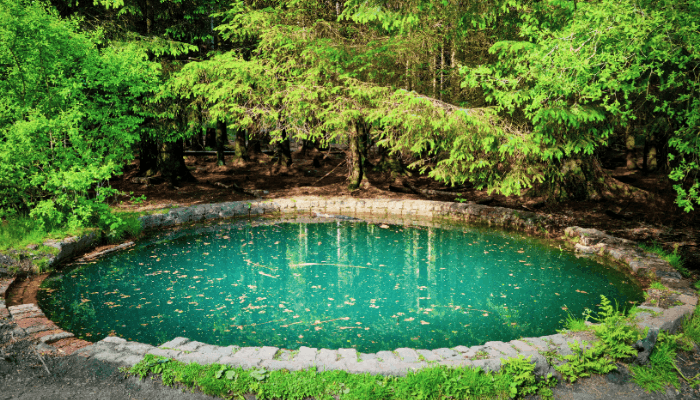
Phytodepuration (also known as phytoremediation, constructed wetlands, or planted filters) is a natural wastewater purification system that uses aquatic plants, microorganisms, and substrate to clean contaminated water. This ecological approach mimics the self-purification processes found in natural wetlands, marshes, and aquatic ecosystems, where plants and beneficial bacteria work together to remove pollutants through biological, physical, and chemical mechanisms.
Unlike conventional wastewater treatment that relies on energy-intensive mechanical aeration, chemical dosing, and complex equipment, phytodepuration operates with minimal energy input, no chemical reagents, and maintenance limited to seasonal plant management. This makes it particularly attractive for small-scale applications (individual homes, rural communities, eco-resorts), areas without sewer infrastructure, and tertiary treatment to polish effluent from conventional treatment plants.
This guide explains how phytodepuration works, covers the main system types (horizontal flow, vertical flow, hybrid systems), identifies effective plant species, compares performance to conventional treatment, and examines applications including natural swimming pools where phytodepuration provides chemical-free water purification.
Key Takeaways
- Phytodepuration uses plants, bacteria, and substrate to remove organic matter, nutrients (nitrogen, phosphorus), suspended solids, pathogens, and even heavy metals from wastewater.
- Three biological processes drive purification: aerobic bacteria decompose organic matter, nitrifying bacteria convert ammonia to nitrates, plants absorb nutrients as fertilizer.
- Main system types: Horizontal flow (anaerobic, slow), vertical flow (aerobic, faster), hybrid systems (combine both for nitrogen removal).
- Removal efficiency: 80-95% organic matter (BOD/COD), 85-90% nitrogen, 90-95% phosphorus, 85-90% suspended solids, 90-99% pathogens.
- Common plants: Phragmites australis (common reed), Typha (cattail), Juncus (rush), Iris pseudacorus (yellow flag iris), Scirpus (bulrush).
- Low maintenance: Seasonal plant trimming, annual organic matter removal, no chemical management, minimal energy consumption.
- Space requirement: 2-10 m² per population equivalent (varies by climate, wastewater strength, discharge requirements).
- Natural swimming pools use phytodepuration – regeneration zones with aquatic plants purify water biologically without chlorine or chemicals.
What If Your Pool Cleaned Itself?
What is Phytodepuration? Definition and Principles
Etymology and Related Terms
Phytodepuration derives from Greek phyton (plant) + Latin depurare (to purify). The term is used primarily in European technical literature, especially in Italy (fitodepurazione), France (phytoépuration), and Spain (fitodepuración).
Related terminology:
- Constructed wetlands (common in English technical literature, North America)
- Phytoremediation (broader term including soil and groundwater treatment, not just wastewater)
- Treatment wetlands (emphasizes engineered design versus natural wetlands)
- Planted filters (filtres plantés in French – specifically subsurface flow systems)
All terms describe engineered systems using plants and associated microorganisms to treat contaminated water, distinguished from natural wetlands by controlled design and operation.
How Phytodepuration Works: The Biological Processes
Phytodepuration relies on three interconnected biological processes occurring simultaneously in planted substrate:
- Aerobic decomposition (in presence of oxygen)
Heterotrophic bacteria break down organic matter (fats, proteins, carbohydrates) into carbon dioxide and water. Oxygen reaches these bacteria via:
- Plant roots transporting oxygen from leaves to rhizosphere (root zone)
- Diffusion at water surface
- Atmospheric exchange in vertical flow systems
- Nitrification and denitrification (nitrogen removal)
Nitrogen enters wastewater as ammonia (NH₃) from urine and organic decomposition. Two-step bacterial conversion removes it:
Nitrification (aerobic – requires oxygen):
- Nitrosomonas bacteria oxidize ammonia → nitrite (NO₂⁻)
- Nitrobacter bacteria oxidize nitrite → nitrate (NO₃⁻)
Denitrification (anaerobic – oxygen-free zones):
- Pseudomonas and other facultative bacteria reduce nitrate → nitrogen gas (N₂)
- Nitrogen gas escapes to atmosphere, permanently removing nitrogen from water
- Plant uptake and storage
Aquatic plants absorb nutrients directly:
- Nitrate (NO₃⁻) as nitrogen source for protein synthesis
- Phosphate (PO₄³⁻) as phosphorus source for DNA, cell membranes, energy transfer
- Plants incorporate nutrients into biomass, removing them from water
When plants are harvested, nutrients are physically removed from the system. If plants are left unharvested, nutrients return to water as plants decompose which is acceptable for swimming pools but not wastewater discharge where nutrient limits apply.
Physical and Chemical Processes
Beyond biological action, phytodepuration includes physical filtration and chemical adsorption:
Physical removal:
- Substrate filters suspended solids (particles larger than substrate pore size)
- Plant stems slow water velocity, allowing particles to settle
- Root networks create physical barrier trapping particulates
Chemical adsorption:
- Gravel substrate binds phosphorus through calcium-phosphate precipitation
- Clay particles adsorb heavy metals through ion exchange
- Organic matter in substrate provides ion exchange capacity
Types of Phytodepuration Systems
Phytodepuration systems are classified by water flow pattern and depth, each with distinct advantages and pollutant removal characteristics.
Horizontal Subsurface Flow (HSSF)
Design: Water flows horizontally through gravel substrate planted with rooted macrophytes. Water level maintained below substrate surface (subsurface flow). Inlet distributes wastewater across one end; outlet collects treated water at opposite end.
Flow characteristics:
- Slow velocity (retention time 3-7 days)
- Predominantly anaerobic conditions (limited oxygen)
- Horizontal path length: 30-50 meters typical
Advantages:
- Excellent for BOD/COD removal (organic matter decomposition)
- Effective pathogen removal (long retention time)
- No surface water exposure (odor minimization, vector control)
- Cold-tolerant (insulated below ground)
Limitations:
- Limited nitrification (insufficient oxygen for ammonia oxidation)
- Larger surface area required than vertical flow
- Risk of clogging over years if pre-treatment inadequate
Typical applications: Primary treatment effluent polishing, rural domestic wastewater, small communities.
Vertical Subsurface Flow (VSSF)
Design: Water applied intermittently to the substrate surface via distribution pipes. Water percolates vertically downward through planted substrate (gravel layers of decreasing size). The drainage layer at bottom collects treated water.
Flow characteristics:
- Fast drainage (retention time 1-3 days)
- Predominantly aerobic conditions (atmospheric oxygen enters via substrate pores during drain cycles)
- Vertical depth: 0.6-1.0 meters typical
Advantages:
- Excellent nitrification (converts ammonia to nitrate)
- Smaller surface area than horizontal flow (20-30% less)
- Better clogging resistance (surface loading, aerobic conditions prevent anaerobic buildup)
- Effective BOD/COD removal
Limitations:
- Limited denitrification (too aerobic – nitrate remains in water)
- Requires dosing mechanism for intermittent feeding
- May need electric pump if gravity feed impossible
Typical applications: Primary treatment effluent nitrification, high-ammonia wastewater, space-limited installations.
Hybrid Systems (Two-Stage)
Design: Vertical flow stage followed by horizontal flow stage (or reverse configuration). Each stage is optimized for different pollutants.
VF → HF configuration (most common):
- First stage (VF): Nitrification converts ammonia → nitrate
- Second stage (HF): Denitrification converts nitrate → nitrogen gas
- Result: Complete nitrogen removal
HF → VF configuration (less common):
- First stage (HF): Organic matter removal
- Second stage (VF): Nitrification of remaining ammonia
- Result: Polished effluent, nitrate remains
Advantages:
- Highest treatment performance (meets strict discharge limits)
- Complete nitrogen removal (VF → HF)
- Flexibility for different discharge requirements
Limitations:
- Higher construction cost (two systems)
- Larger total footprint
- More complex operation
Typical applications: Strict discharge requirements (sensitive receiving waters), reuse applications requiring high-quality effluent.
Free Water Surface (FWS) Systems
Design: Shallow ponds with emergent plants growing from bottom. Water flows horizontally across the pond surface (visible water).
Characteristics:
- Open water surface
- Emergent plants (cattails, rushes) plus floating plants (Lemna, Pistia)
- Long retention time (5-14 days)
- Wildlife habitat value
Advantages:
- Simplest construction (excavated pond)
- Aesthetically attractive (visible water, flowers)
- Wildlife biodiversity benefits
- Effective organic matter and pathogen removal
Limitations:
- Large surface area requirement (5-15 m²/population equivalent)
- Temperature-sensitive (reduced performance in cold climates)
- Mosquito breeding concern (requires management)
- Odor potential if overloaded
Typical applications: Tertiary treatment, agricultural runoff treatment, landscape integration, natural swimming pool regeneration zones.
Plant Species Used in Phytodepuration
Plant selection depends on climate, system type, and pollutant removal priorities. Effective phytodepuration plants share common traits: tolerance of waterlogged anaerobic conditions, ability to transport oxygen to roots, dense root systems, rapid growth rates, and nutrient accumulation capacity.
Most Common European Species
- Phragmites australis (Common Reed)
The most widely used phytodepuration plant worldwide.
Characteristics:
- Height: 2-4 meters
- Root depth: 0.6-1.0 meter
- Growth rate: Aggressive spreader via rhizomes
- Climate tolerance: Very cold-hardy (survives -20°C), heat-tolerant
Advantages:
- Highest oxygen transport capacity to roots
- Dense root network supports extensive bacterial colonization
- Year-round structure (dried stems persist through winter)
- Effective in both horizontal and vertical flow systems
Removal efficiency: Excellent for organic matter, ammonia (supports nitrification), heavy metals.
- Typha latifolia and Typha angustifolia (Cattails)
Common in free water surface and horizontal flow systems.
Characteristics:
- Height: 1.5-3.0 meters
- Root depth: 0.3-0.6 meter
- Growth rate: Fast spreader, forms dense stands
- Distinctive seed heads (cylindrical brown “cattails”)
Advantages:
- High nutrient uptake (especially phosphorus)
- Tolerates fluctuating water levels
- Good oxygen transport
Removal efficiency: Excellent for phosphorus, nitrogen, organic matter.
- Juncus effusus and related Juncus species (Soft Rush)
Ideal for vertical flow and free water surface systems.
Characteristics:
- Height: 0.5-1.5 meters
- Root depth: 0.3-0.5 meter
- Growth form: Cylindrical green stems (no visible leaves)
- Climate tolerance: Cold-hardy, Mediterranean-adapted
Advantages:
- Aesthetic appeal (architectural form)
- Tolerates periodic drying (suitable for intermittent-feed VF systems)
- Good for smaller installations
Removal efficiency: Good for organic matter, moderate nitrogen removal.
- Iris pseudacorus (Yellow Flag Iris)
Popular in free water surface and horizontal flow systems, especially where aesthetics matter.
Characteristics:
- Height: 0.8-1.5 meters
- Root depth: 0.2-0.4 meter
- Growth: Rhizomatous spreading
- Flowers: Bright yellow (May-June in Europe)
Advantages:
- Beautiful flowering (ornamental value)
- Good pollutant removal
- Suitable for colder climates
Removal efficiency: Good for organic matter, nitrogen, and heavy metals.
Note: Mildly toxic if ingested (not suitable where children or livestock access plants).
- Scirpus and Schoenoplectus species (Bulrushes)
Versatile plants for various system types.
Characteristics:
- Height: 1.0-2.5 meters (species-dependent)
- Root depth: 0.3-0.7 meter
- Growth: Cylindrical stems, triangular in cross-section
Advantages:
- Tolerates wide range of water depths
- Good oxygen transport
- Cold-hardy
Removal efficiency: Good overall pollutant removal, especially organic matter.
Portugal-Specific Considerations
Portugal’s Mediterranean climate allows year-round plant activity, enhancing phytodepuration performance compared to colder regions where winter dormancy reduces treatment capacity.
Recommended species for Portugal:
- Phragmites australis: Thrives throughout Portugal, native to wetlands
- Typha latifolia: Common in Portuguese wetlands, heat-tolerant
- Juncus species: Multiple native species available, drought-tolerant
- Iris pseudacorus: Naturalizes well, adds ornamental value
- Cyperus papyrus: Suitable in southern coastal regions (frost-sensitive)
Planting density: 4-6 plants per m² for establishment. Plants spread rapidly, achieving full coverage within 1-2 growing seasons.
Removal Efficiency and Performance
Phytodepuration effectively removes multiple pollutant categories when properly designed and operated.
Organic Matter Removal (BOD/COD)
Removal mechanism: Aerobic bacteria decompose organic compounds into carbon dioxide and water. Anaerobic bacteria ferment organic matter in oxygen-free zones.
Typical removal:
- BOD (Biological Oxygen Demand): 80-95% reduction
- COD (Chemical Oxygen Demand): 75-90% reduction
Example: Influent BOD 200 mg/L → Effluent BOD 10-40 mg/L
Nitrogen Removal
Removal mechanism: Nitrification (aerobic) converts ammonia → nitrate; denitrification (anaerobic) converts nitrate → nitrogen gas; plants absorb nitrate.
Typical removal:
- Total nitrogen: 40-90% (depending on system type)
- Ammonia: 80-95% (vertical flow systems)
- Hybrid systems: 85-90% total nitrogen
Example: Influent total nitrogen 50 mg/L → Effluent total nitrogen 5-15 mg/L (hybrid system)
Phosphorus Removal
Removal mechanism: Plant uptake, adsorption onto substrate (calcium-phosphate precipitation), settling of particulate phosphorus.
Typical removal:
- Total phosphorus: 40-70% (standard systems)
- Enhanced removal: 70-95% (with phosphorus-binding substrate amendments)
Note: Phosphorus removal is typically the limiting factor for discharge compliance. Enhanced substrates (crushed limestone, blast furnace slag) improve phosphorus binding.
Example: Influent total phosphorus 8 mg/L → Effluent total phosphorus 1.5-4.0 mg/L
Suspended Solids Removal
Removal mechanism: Physical filtration through substrate, settling in low-velocity zones, plant stem obstruction.
Typical removal:
- Total suspended solids (TSS): 85-95%
Example: Influent TSS 150 mg/L → Effluent TSS 8-20 mg/L
Pathogen Removal
Removal mechanism: Long retention time (die-off), predation by protozoa, UV exposure (FWS systems), filtration, competition with native microorganisms.
Typical removal:
- Fecal coliforms: 90-99% (1-2 log reduction)
- E. coli: 90-99%
- Helminth eggs: >95%
Note: Phytodepuration achieves significant pathogen reduction but typically requires UV disinfection or chlorination for potable reuse or bathing water standards.
Heavy Metal Removal
Removal mechanism: Plant uptake (phytoextraction), adsorption onto organic matter and substrate, precipitation as insoluble compounds.
Typical removal (varies by metal):
- Zinc, copper, lead: 60-90%
- Cadmium, chromium: 40-80%
- Mercury: 30-70%
Design Requirements and Sizing
Surface Area Calculation
Required surface area depends on pollutant loading, treatment goals, and climate.
General sizing guidelines (residential wastewater, temperate climate):
Horizontal subsurface flow: 5-10 m² per population equivalent (PE)
Vertical subsurface flow: 2-4 m² per population equivalent
Hybrid systems: 3-6 m² per population equivalent (total for both stages)
Free water surface: 5-15 m² per population equivalent
Population equivalent (PE): One PE = 60 grams BOD/day = wastewater from one average person.
Example sizing (family of 4 = 4 PE):
- Vertical flow system: 8-16 m² (2-4 m × 2-4 m)
- Horizontal flow system: 20-40 m² (4-8 m × 5 m)
- Hybrid system: 12-24 m² total
Portugal advantage: Warmer climate increases microbial activity year-round, potentially reducing required surface area by 20-30% compared to Northern European guidelines.
Primary Treatment Requirement
Phytodepuration requires pre-treatment to remove solids and prevent clogging.
Essential pre-treatment:
- Septic tank (2-3 day retention) removes settleable solids
- Grease trap (for kitchen wastewater) prevents fat accumulation
- Settling chamber equalizes flow and provides emergency storage
Why necessary: Raw wastewater contains suspended solids (toilet paper, food particles, hair) that clog substrate pores. Primary treatment removes 50-70% of solids and 30-40% of BOD before phytodepuration stage.
Climate Considerations
Cold climates (winter temperatures <0°C):
Microbial activity slows significantly below 10°C and nearly stops below 4°C. Subsurface systems (HSS, VSS) perform better than FWS in cold climates due to ground insulation. Increase sizing by 30-50% for regions with freezing winters.
Hot, dry climates (summer temperatures >30°C):
High evapotranspiration increases water loss. Vertical flow systems may require additional water supply during hot, dry periods. Shade from the plant canopy reduces evaporation.
Portugal: Mediterranean climate is ideal for phytodepuration. Mild winters maintain year-round biological activity. Hot, dry summers increase evapotranspiration but abundant sunshine supports rapid plant growth and nutrient uptake.
Maintenance Requirements
Phytodepuration requires minimal maintenance compared to conventional treatment systems.
Routine Maintenance (Seasonal)
Spring (March-April):
- Trim dead plant stems from previous year
- Remove accumulated plant litter from surface (FWS systems)
- Inspect distribution pipes for clogs
Summer (June-August):
- Monitor plant health (vigorous growth indicates proper function)
- Control invasive species if present
- Check water levels (adjust if necessary)
Autumn (October-November):
- Optional: Harvest plant biomass to remove nutrients
- Remove fallen leaves from nearby trees
- Final inspection before winter
Winter:
- Minimal intervention required
- Plants enter dormancy (reduced but continued treatment)
Annual Maintenance
Once yearly:
- Desludge primary treatment tank (septic tank) – every 2-4 years typical
- Inspect and clean outlet structures
- Check substrate surface for organic accumulation (HSS systems)
Major maintenance (every 10-15 years):
- Substrate replacement if clogging occurs (rare with proper pre-treatment)
- Plant thinning if overgrown
Time Investment
Phytodepuration maintenance requires approximately 2-4 hours annually for a residential system (4 PE) – dramatically less than conventional treatment requiring weekly monitoring and chemical additions.
Phytodepuration in Natural Swimming Pools
Natural swimming pools apply phytodepuration principles to recreational water treatment, creating chemical-free swimming environments.
Regeneration Zone Design
Natural pools divide into two zones:
Swimming zone (40-60% of total area): Deep water free of plants, used for swimming.
Regeneration zone (40-60% of total area): Shallow planted wetland (0.3-0.8 m depth) where phytodepuration occurs. Water circulates continuously between zones via pump.
Pollutant Sources in Swimming Pools
Unlike wastewater (human waste), swimming pool contamination comes from:
- Swimmer-introduced organics (sweat, skin cells, oils, sunscreen)
- Atmospheric debris (pollen, dust, leaves)
- Organic matter from plants
These pollutants require the same biological treatment as wastewater: bacteria decompose organic matter, nitrification oxidizes ammonia, and plants absorb nutrients.
Plant Species for Swimming Pools
Emergent plants (roots in substrate, stems above water):
- Phragmites australis, Typha, Juncus, Iris pseudacorus – same species as wastewater phytodepuration
Submerged oxygenating plants (entirely underwater):
- Ceratophyllum demersum (hornwort)
- Myriophyllum spicatum (water milfoil)
- Elodea canadensis (waterweed)
Submerged plants produce oxygen via photosynthesis, supporting aerobic bacteria.
Floating plants (roots suspended in water):
- Nymphaea species (water lilies) – ornamental, provide shade
- Lemna (duckweed) – rapid nutrient uptake, can be excessive
Performance in Swimming Pools
Well-designed natural pools maintain excellent water quality:
- Clarity: 1-3 meter visibility
- Bacteria: <200 CFU/100ml total coliforms (bathing water standard)
- Nutrients: Low enough to prevent algae blooms
- pH: 6.5-7.5 (no chemical pH adjustment needed)
Maintenance: Similar to phytodepuration systems – seasonal plant trimming, skimming floating debris, annual organic matter removal from regeneration zone. No chemical testing, no chlorine addition, no filter backwashing.
If you’re interested in natural swimming pools that use phytodepuration for chemical-free water treatment, Oásis Biosistema designs systems optimized for Portugal’s climate with appropriate plant species selection and biological filtration sizing.
Advantages and Limitations
Advantages
Environmental benefits:
- No chemical use (zero chlorine, flocculants, pH adjusters)
- Low energy consumption (passive treatment, minimal pumping)
- Carbon sequestration (plant biomass)
- Habitat creation (supports biodiversity)
Economic benefits:
- Low construction cost (earth excavation, local materials)
- Minimal operating costs (no chemicals, low electricity)
- Long lifespan (30+ years with proper maintenance)
- Reduced sludge production (compared to activated sludge)
Technical benefits:
- Simple operation (no specialized operators required)
- Resilient to load variations (buffer capacity)
- Effective for wide pollutant range (organics, nutrients, pathogens, metals)
Aesthetic benefits:
- Landscape integration (green infrastructure)
- Wildlife value (birds, dragonflies, amphibians)
- Educational opportunity (visible ecological processes)
Limitations
Space requirement: Requires significantly more land than compact conventional treatment (5-10× area of activated sludge plant for equivalent capacity).
Climate sensitivity: Performance declines in cold climates during winter. Not suitable for regions with prolonged freezing (<0°C for months).
Nutrient removal: Phosphorus removal is often insufficient for very strict discharge limits without substrate amendments or additional treatment.
Treatment time: Long retention time (days) unsuitable for applications requiring rapid treatment.
Mosquito management: Free water surface systems may attract mosquito breeding (mitigated through fish, Bacillus thuringiensis israelensis, avoiding stagnant zones).
Conclusion
Phytodepuration is a proven natural wastewater treatment technology that uses aquatic plants, beneficial bacteria, and substrate filtration to remove organic matter, nutrients, suspended solids, pathogens, and heavy metals from contaminated water. The main system types – horizontal subsurface flow, vertical subsurface flow, hybrid systems, and free water surface systems – each offer distinct advantages for pollutant removal, with typical efficiency of 80-95% for organic matter and 85-90% for nitrogen when properly designed.
Common plant species including Phragmites australis, Typha, Juncus, and Iris pseudacorus provide oxygen transport to roots, support extensive bacterial colonization, and absorb nutrients directly. These plants require minimal maintenance. Only seasonal trimming and annual organic matter removal which makes phytodepuration far less labor-intensive than conventional chemical treatment.
Portugal’s Mediterranean climate is particularly well-suited for phytodepuration, with year-round plant activity and microbial function enhancing treatment performance. Applications range from individual home wastewater treatment to natural swimming pools where phytodepuration regeneration zones provide chemical-free water purification, creating beautiful, ecologically integrated aquatic environments.
FAQ
How does phytodegradation work?
Phytodegradation is a natural process where plants break down pollutants using enzymes within their tissues. Contaminants absorbed through roots are metabolized into less harmful substances, helping clean soil and water. It’s widely used in environmental remediation for organic pollutants like pesticides and hydrocarbons.
Are there plants that can purify water?
Yes, several plants can help purify water through phytoremediation. Species like water hyacinth, duckweed, and reeds absorb nutrients, heavy metals, and toxins. These plants improve water quality naturally and are commonly used in constructed wetlands and eco-friendly filtration systems.
What are the 4 things that treat sewage?
The four main stages of sewage treatment are preliminary, primary, secondary, and tertiary treatment. These processes remove large debris, settle solids, break down organic matter using bacteria, and finally polish the water by removing remaining nutrients, pathogens, and contaminants.
What are the 7 stages of purification of water?
The seven stages of water purification typically include screening, coagulation, flocculation, sedimentation, filtration, disinfection, and storage. Each step removes different impurities, from large debris to microscopic pathogens, ensuring the water is clean, safe, and suitable for consumption.