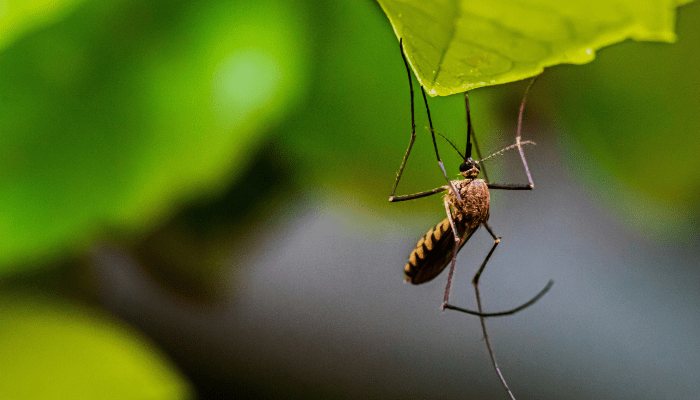
Mosquitoes are more than just annoying! They’re persistent, adaptable, and surprisingly successful at finding breeding sites in even well-maintained properties. In Portugal, mosquito season runs from April through October, peaking in July and August when warm temperatures and occasional rainfall create ideal breeding conditions. The arrival of invasive species like the Asian tiger mosquito (Aedes albopictus) has intensified the problem in urban and suburban areas, making mosquito prevention essential for comfortable outdoor living.
The good news: mosquitoes are preventable with consistent, strategic efforts. Unlike many pests that require professional intervention, mosquito control is largely achievable through homeowner actions – eliminating breeding sites, maintaining water features properly, and creating less hospitable environments around pools and gardens. This guide covers mosquito biology, how to identify and eliminate breeding sites, pool-specific prevention strategies, garden management, and biological controls that work in Portugal’s Mediterranean climate.
Key Takeaways
- Mosquitoes need standing water to breed, even a bottle cap’s worth of water can produce hundreds of larvae.
- Elimination is more effective than repelling. Removing breeding sites prevents mosquitoes from establishing populations, while repellents only protect temporarily.
- Pool circulation prevents breeding as mosquito larvae still need water to breathe; continuous circulation drowns them.
- BTI (Bacillus thuringiensis israelensis) is a safe, effective biological larvicide for water features, fountains, and non-circulating water.
- Portugal has Asian tiger mosquitoes. Unlike native species that bite at dusk/dawn, Aedes albopictus bites aggressively during daytime.
- Gardens require multi-layer prevention. Eliminate water, trim vegetation (reduces resting sites), introduce predators (dragonflies, bats, swallows).
- Natural pools are naturally mosquito-resistant. Moving water and biological activity prevent breeding without chemicals.
Natural Pools Don't Attract Mosquitoes, They Prevent Them
Understanding Mosquito Biology: Why Prevention Works
Life Cycle and Breeding Requirements
Mosquitoes undergo four life stages: egg, larva, pupa, and adult. Critically, the first three stages require water. Mosquitoes spend 7-14 days as aquatic organisms before emerging as flying adults.
Eggs: Females lay 100-300 eggs at a time in or near standing water. Some species lay eggs directly on water surfaces; others lay eggs on moist soil that will flood later.
Larvae: After hatching (1-3 days), larvae live in water, feeding on microorganisms and organic debris. They breathe through siphon tubes that break the water surface like snorkels. Larvae molt four times over 5-10 days, growing larger with each stage.
Pupae: The final aquatic stage lasts 1-3 days. Pupae don’t feed but remain active, surfacing periodically to breathe.
Adults: Emerge from pupae, dry their wings, and fly away. Males feed on nectar; females need blood meals to develop eggs.
Critical insight: Mosquitoes cannot complete their life cycle without water. Eliminate water sources, and you eliminate mosquitoes. No water means no larvae, no larvae means no biting adults. This is why prevention is far more effective than trying to kill adults after they emerge.
How Much Water Do Mosquitoes Need?
Surprisingly little. Mosquitoes can breed in:
- Bottle caps (5-10ml)
- Plant saucers under potted plants
- Blocked gutters with 1-2cm of water
- Folds in tarps or pool covers
- Treeholes with accumulated rainwater
- Discarded plastic cups or food containers
Females are opportunistic. They’ll lay eggs in any standing water available, no matter how small or temporary. This is why comprehensive mosquito prevention requires vigilance across the entire property, not just obvious water features like pools or ponds.
Mosquito Species in Portugal
Portugal hosts several mosquito species, each with different behaviors and preferred breeding sites.
Culex pipiens (Common House Mosquito)
Behavior: Bites at dusk and dawn, rests indoors during the day
Breeding sites: Stagnant water in urban areas like gutters, drains, water storage containers
Disease risk: Low in Portugal; can transmit West Nile virus but rare
Aedes albopictus (Asian Tiger Mosquito)
Behavior: Aggressive daytime biter, active in gardens and outdoor spaces
Breeding sites: Small containers, plant saucers, tree holes, discarded objects
Disease risk: Capable of transmitting dengue, chikungunya, Zika (though local transmission is rare)
Distribution in Portugal: Established in Algarve, spreading to Lisbon, Porto, and other coastal/urban areas
Why this species matters: Unlike native mosquitoes that rest during the day, Aedes albopictus attacks while you’re gardening, swimming, or eating lunch outdoors. They’re persistent, aggressive, and harder to avoid through timing alone.
Anopheles species
Behavior: Bites at night
Breeding sites: Clean, still water like ponds, rice fields, slow-moving streams
Disease risk: Historically transmitted malaria; eradicated in Portugal but species persist
Pool Mosquito Prevention
Properly maintained pools do not breed mosquitoes. The combination of circulation, chemical treatment, and depth makes pools hostile to mosquito larvae. However, pool areas often contain secondary breeding sites that require attention.
Maintain Proper Pool Chemistry
Chlorine levels (1-3 ppm) kill mosquito larvae on contact. Even poorly chlorinated water (0.5 ppm) discourages egg-laying because females detect the chlorine.
Why unchlorinated pools breed mosquitoes:
Abandoned pools, pools with broken filtration, or pools during extended power outages become stagnant and lose chlorine residual. Within 7-10 days, mosquito larvae appear and mature rapidly.
During drought or water restrictions: If you must reduce pool maintenance, maintain minimum chlorine (0.5-1 ppm) even if not swimming. This prevents mosquito breeding without requiring frequent refilling.
Keep Water Circulating
Mosquito larvae breathe through siphon tubes that must break the water surface. In moving water, larvae cannot maintain position at the surface and drown.
Run the pool pump continuously during mosquito season (April-October in Portugal). If energy costs are a concern, reduce run time to 6-8 hours daily minimum but never stop circulation entirely for more than 24 hours.
Waterfalls, fountains, and return jets all create surface movement that prevents larval breathing. Pools with vigorous water features are naturally mosquito-resistant.
Cover Pools Properly
Pool covers prevent mosquitoes from accessing water to lay eggs. However, covers themselves can become breeding sites if they collect rainwater in folds or depressions.
Solid covers: Must be tight and well-fitted. Any sagging that allows water pooling creates breeding sites. After rain, pump or sweep water off covers immediately.
Mesh covers: Allow water to drain through but still prevent mosquito access to pool water below.
Solar covers (bubble covers): Poor mosquito prevention. Any gaps and irregular surfaces allow access. Use these for heat retention, not mosquito control.
Secondary Breeding Sites Around Pools
Pool toys: Inflatable rafts, floats, and plastic toys collect water in depressions and folds. After use, deflate, rinse, and store in dry locations or hang to drain completely.
Equipment and furniture: Pool pumps, filter housings, deck furniture, umbrellas, and storage boxes can trap water. Inspect weekly and empty any accumulated water.
Deck drains and gutters: These fill with organic debris and water. Clean monthly during mosquito season to prevent clogs and stagnant water.
Landscaping around pools: Planters with saucers, decorative water features, and irrigation system catch basins all hold water. Address these separately (see garden section below).
Garden and Outdoor Space Mosquito Prevention
Gardens present more mosquito challenges than pools because they contain numerous small, often-overlooked water sources.
Eliminate Standing Water
The single most effective mosquito prevention strategy is removing all standing water. Walk your property weekly during mosquito season and drain or empty:
Planters and pots: Empty saucers under pots after watering or rain. Use self-watering planters with sealed reservoirs (mosquitoes cannot access water inside).
Birdbaths: Change water every 3-4 days minimum. Better: install a small solar fountain to keep water moving.
Buckets, watering cans, wheelbarrows: Store upside-down or under cover. Water that accumulates in these items breeds thousands of larvae weekly.
Rain barrels and water storage: Cover with fine mesh (1mm openings or smaller) or add BTI mosquito dunks monthly.
Gutters and downspouts: Clean gutters twice annually (before spring rains and after autumn leaf fall). Blocked sections hold stagnant water for months.
Tarps and covers: Tighten tarps covering firewood, equipment, or outdoor furniture to prevent water pooling. Re-tension after storms.
Discarded items: Old tires, plastic containers, bottles, cans, or broken toys all collect water. Remove from property or store indoors.
Tree holes and bamboo: Natural tree cavities fill with rainwater and breed mosquitoes. Fill holes with expanding foam or sand. Cut bamboo at angles to prevent water accumulation in hollow stems.
Manage Ornamental Water Features
Fountains, ponds, and decorative water elements attract mosquitoes but can be managed effectively without removal.
Keep water moving: Fountains with continuous circulation do not breed mosquitoes. Even small bubblers or aerators create sufficient movement to prevent larval survival.
Add biological controls: Mosquito fish (Gambusia affinis) or native fish (goldfish, small koi) eat mosquito larvae voraciously. A small pond with 3-5 goldfish rarely has mosquito problems.
Stock dragonfly-friendly ponds: Dragonfly nymphs (aquatic stage) are aggressive predators of mosquito larvae. Ponds with aquatic plants, varied depths, and no fish (which eat dragonfly nymphs) naturally attract dragonflies.
Use BTI larvicides: Mosquito dunks or bits containing Bacillus thuringiensis israelensis kill mosquito larvae without harming fish, birds, plants, or beneficial insects. One dunk treats 100m² of water surface for 30 days. Safe for ponds, birdbaths, rain barrels, and any ornamental water feature.
Portugal note: In hot, dry summers (June-September), evaporation can drop water levels in ponds and fountains, exposing shallow edges that favor mosquito breeding. Maintain water levels or use BTI in low spots.
Reduce Adult Mosquito Resting Sites
Adult mosquitoes rest in cool, shaded, humid areas during the day. It’s particularly important for Aedes albopictus which shelters between feeding bouts.
Trim vegetation regularly: Overgrown grass, dense shrubs, and ground cover provide mosquito habitat. Mow lawns weekly and trim bushes to reduce shaded resting areas.
Clear ground debris: Leaf piles, fallen branches, and yard waste create humid microclimates where mosquitoes shelter. Remove debris or compost in enclosed bins.
Prune trees for airflow: Dense tree canopies create still, humid environments. Selective pruning improves air circulation and reduces mosquito-friendly conditions.
Avoid dense groundcover plantings near seating areas: While groundcovers are attractive landscaping, they harbor mosquitoes. Maintain 2-3 meter buffer zones around patios, decks, and pool areas with short grass or gravel instead of dense plants.
Strategic Planting
Certain plants repel mosquitoes through aromatic compounds, though effectiveness is limited. Crushed leaves or oils are more potent than intact growing plants.
Plants with mosquito-repelling properties:
- Lavender (Lavandula)
- Rosemary (Rosmarinus officinalis)
- Citronella grass (Cymbopogon nardus)
- Lemon balm (Melissa officinalis)
- Basil (Ocimum basilicum)
- Mint (Mentha species)
Realistic expectations: These plants provide mild deterrence in immediate vicinity (1-2 meters) but don’t create mosquito-free zones. They’re better used in combination with other strategies rather than as sole prevention methods.
Tip for increased effectiveness: Crush leaves before outdoor activities to release oils, or make homemade repellent sprays from fresh herbs.
Biological and Mechanical Controls
Mosquito Fish (Gambusia affinis)
Small (3-5cm) fish that consume hundreds of mosquito larvae daily. Effective in ponds, water tanks, and slow-moving irrigation channels.
Pros: Inexpensive or free (some municipalities provide them), self-sustaining population, very effective larval control
Cons: Aggressive toward other fish and native species, regulated in some regions due to invasive potential
Where to use in Portugal: Ornamental ponds, large water storage tanks, agricultural ditches. Check with the local municipal water authority as some provide mosquito fish free to residents.
Dragonflies
Adult dragonflies eat mosquitoes on the wing; dragonfly nymphs (aquatic larvae) eat mosquito larvae in water. A single dragonfly can consume hundreds of mosquitoes daily.
Attracting dragonflies:
- Create or maintain ponds with aquatic plants (reeds, rushes, water lilies)
- Provide varied water depths (shallow edges for egg-laying, deeper zones for hunting)
- Avoid pesticides that harm dragonfly nymphs
- Allow some algae and organic matter (food for small organisms that dragonfly nymphs eat)
Portugal advantage: Mediterranean climate supports many dragonfly species that thrive in garden ponds. Establish a pond in spring, and dragonflies often colonize naturally within one season.
Bats and Birds
Bats: A single bat consumes 600-1,000 mosquitoes per hour while feeding. Install bat houses on buildings or tall poles (3-6 meters high, facing south for warmth in Portugal).
Swallows and martins: Aerial insectivores that hunt mosquitoes during the day. Encourage nesting with martin houses or by leaving barn/shed access open during breeding season.
Purple martins and house martins are particularly effective and will establish colonies if housing is provided.
Fans and Air Movement
Mosquitoes are weak fliers. Wind speeds above 2-3 km/h make flight difficult.
For patios and outdoor dining areas: Position oscillating fans to create airflow barriers. This physically prevents mosquitoes from reaching you and provides cooling simultaneously.
Portable or ceiling fans near pools, outdoor kitchens, and seating areas provide immediate, chemical-free protection during use.
BTI Larvicides: Safe and Effective
Bacillus thuringiensis israelensis (BTI) is a naturally occurring soil bacterium that produces toxins lethal to mosquito, blackfly, and fungus gnat larvae but harmless to all other organisms.
How BTI Works
When mosquito larvae ingest BTI spores, the toxins destroy their gut lining, killing them within 24-48 hours. The bacteria cannot colonize or harm anything except specific insect larvae. It’s completely safe for fish, birds, mammals, beneficial insects (bees, butterflies, dragonflies), and humans.
Forms and Applications
Mosquito dunks: Donut-shaped briquettes that float on water, releasing BTI for 30 days. One dunk treats 100m² of surface water.
Use in: Birdbaths, rain barrels, decorative ponds, gutters, tree holes, irrigation ditches
Mosquito bits: Granules that sink and release BTI quickly (within hours). Faster action than dunks but shorter duration (7-14 days).
Use in: Watering cans, plant saucers, temporary puddles, flooded areas after rain
Liquid BTI: Concentrated liquid diluted in water and sprayed or poured into breeding sites.
Use in: Large ponds, agricultural areas, catch basins, extensive wetlands
Portugal availability: BTI products are available through agricultural suppliers, garden centers, and online retailers. Common brands: Mosquito Dunks, Summit, Microbe-Lift.
Application Strategy
Use BTI in water sources that cannot be eliminated or drained:
- Ornamental ponds without fish (if you have fish, they’ll eat larvae)
- Rain barrels and water storage (cover with mesh for better control)
- Tree holes and bamboo that cannot be filled
- Gutters that clog frequently despite cleaning
- Irrigation system catch basins
- Seasonal puddles in low spots of the yard
Apply BTI every 30 days (dunks) or 7-14 days (bits) throughout mosquito season (April-October in most of Portugal).
Natural Pools: Built-In Mosquito Resistance
Natural swimming pools, designed with biological filtration using aquatic plants and natural processes instead of chemicals, are inherently mosquito-resistant without requiring BTI or fish.
Why natural pools don’t breed mosquitoes:
Water circulation: Gentle pumps continuously move water between swimming and regeneration zones. Larvae cannot establish in moving water.
Biological activity: The ecosystem of bacteria, zooplankton, and aquatic invertebrates includes mosquito predators. Dragonfly nymphs, backswimmers, and predatory beetles naturally colonize natural pools and consume mosquito larvae.
Plant shading: Submerged and floating plants reduce sunlight penetration, making water less attractive to egg-laying females who prefer open, sunlit water.
Depth and vertical walls: Natural pools typically have 1.5-2m depths with steep sides rather than shallow shelves. Mosquitoes prefer shallow (5-30cm) water for breeding.
Ecological balance: A mature natural pool ecosystem is resilient and self-regulating. Temporary influxes of organic matter or slight pH changes don’t create the stagnant, nutrient-rich conditions mosquitoes prefer.
Maintenance advantage: Natural pools require no chemical shocking, no algaecide, and minimal intervention. The ecosystem handles mosquito prevention automatically as part of its normal function.
If you’re planning a new pool or water feature and mosquito control is a priority, natural pool design eliminates the need for ongoing larvicide treatments or chemical management while providing a beautiful, swimmable ecosystem.
Oásis Biosistema designs natural pools optimized for Portugal’s climate, including appropriate plant selection, circulation design, and biological balance to ensure mosquito-free enjoyment without chemicals or constant intervention.
Seasonal Mosquito Management in Portugal
Spring (March-May)
Mosquitoes emerge from winter dormancy as temperatures warm. Early-season control is critical. Eliminating the first generation prevents exponential population growth later.
Priority actions:
- Walk property weekly and eliminate all standing water
- Clean gutters before spring rains
- Start BTI applications in permanent water features
- Check pool equipment after winter and ensure circulation and chemistry are functioning
Summer (June-September)
Peak mosquito season. Populations are highest, and invasive Aedes albopictus is most active.
Priority actions:
- Daily inspection of outdoor areas for new water accumulation
- Maintain pool circulation continuously
- Empty plant saucers and birdbaths every 3 days
- Use fans for outdoor dining and activities
- Reapply BTI every 30 days in water features
Autumn (October-November)
Mosquito activity declines but doesn’t stop. Late-season breeding produces eggs that overwinter and hatch next spring.
Priority actions:
- Clean gutters after leaf fall
- Drain irrigation systems before winter
- Store pool toys and equipment properly
- Continue BTI in permanent water features until temperatures drop below 10°C consistently
Winter (December-February)
Minimal mosquito activity, but breeding sites created now will activate in spring.
Priority actions:
- Prevent water accumulation in stored items
- Maintain covers on rain barrels and water storage
- Use winter downtime to plan property improvements (better drainage, bat houses, dragonfly ponds)
Conclusion
Mosquito prevention isn’t a single action but a system of overlapping strategies: eliminate standing water wherever possible, manage unavoidable water features with circulation or BTI, maintain pools with proper chemistry and circulation, reduce adult resting sites through vegetation management, and introduce biological controls like fish, dragonflies, and bats.
The foundation of all mosquito control is eliminating breeding sites. If females cannot lay eggs in water, they cannot produce the next generation. Walk your property weekly during mosquito season (April-October in Portugal), drain or treat every water source you find, and maintain proper pool circulation.
With consistent effort, mosquito populations can be reduced by 80-90% compared to unmanaged properties, making outdoor spaces comfortable throughout Portugal’s long, warm mosquito season without relying on chemical sprays or repellents.
FAQ
What is the best way to prevent mosquitoes?
The best way to prevent mosquitoes is to eliminate standing water, where they breed, and use repellents. Install screens, wear light clothing, and use fans outdoors. Combining prevention (no water) with protection (repellent) is the most effective long-term strategy.
How do Spanish people avoid mosquito bites?
In Spain, people commonly use electric plug-in repellents, sprays with DEET or icaridin, and citronella candles. Many also keep windows closed at dusk or use mosquito nets, especially in coastal or humid areas where mosquitoes are more active.
What smells do mosquitoes hate?
Mosquitoes dislike strong scents like citronella, eucalyptus, lavender, peppermint, and lemon. These smells can help repel them, especially when used in essential oils, candles, or sprays, although they work best when combined with other protective measures.
What can I take to stop mosquitoes biting me?
You can use topical repellents containing DEET, picaridin, or natural oils. Some people take vitamin B supplements, but evidence is limited. Wearing protective clothing and avoiding peak mosquito times (dawn and dusk) is also very effective.
What can I put around my pool to keep mosquitoes away?
Around your pool, use citronella plants or candles, fans, mosquito traps, and keep water moving. Remove standing water nearby, trim vegetation, and consider outdoor repellents or misting systems to reduce mosquito presence effectively.
What smells do mosquitoes absolutely hate?
Mosquitoes strongly dislike citronella, tea tree oil, eucalyptus, neem oil, and garlic. These scents interfere with their ability to detect humans, making them useful as natural repellents in sprays, oils, or outdoor setups.
Does chlorine keep mosquitoes away?
Chlorine does not directly repel mosquitoes, but a properly maintained chlorinated pool prevents them from breeding. Mosquitoes prefer stagnant water, so clean, circulating pool water is less attractive for laying eggs.
Do coffee grounds keep mosquitoes away?
Coffee grounds can help kill mosquito larvae when placed in standing water by reducing oxygen levels. However, they are not a strong repellent for adult mosquitoes, so they should be used alongside other prevention methods.