A standard chlorinated pool uses up to 2,000 litres of chemicals per year. That’s not just harsh on your skin. It’s brutal on your backyard ecosystem.
Now picture this: swimming in water so clean it filters itself through plants and gravel. No red eyes. No chemical stink. Just dragonflies, lilies, and the sound of your own breath underwater.
Welcome to the world of natural pools where design meets ecology and the result is… kind of magic.
But this isn’t just a Pinterest fantasy. Whether you’re working with a sprawling estate or a city-sized patio, natural pool systems can be scaled to fit your space, and your values. They’re swimmable, sustainable, and spectacularly beautiful when done right.
In this guide, we’re skipping the fluff. You’ll get clear, design-driven, real-world natural pool ideas that work. For small spaces. For bold landscapes. For people who are tired of choosing between beauty and environmental intelligence.
Let’s dive in. Gently. Feet first.
Key Takeaways
- Natural pools filter water using plants, gravel, and beneficial bacteria instead of chemicals
- They can be designed for small urban spaces or expansive landscapes
- Maintenance[parent: less than traditional pools when properly designed
- Natural pools support biodiversity and healthier swimming conditions
- Design quality is critical for water clarity and long-term performance
- Existing traditional pools can sometimes be converted into natural systems
- Oásis Biosistema designs natural pools that function as living ecosystems, not just water features
This One Was Made for Us to Write
What Is a Natural Pool?
A natural pool is exactly what it sounds like: a swimming pool that works with nature, not against it.
No chlorine. No concrete tubs full of chemicals. Just clean, clear water filtered by aquatic plants, gravel beds, and microbial life. Think of it as a living system, one that balances itself, invites biodiversity, and gives back more than it takes.
Structurally, most natural pools have two main zones: a swimming area and a regeneration area. One is for humans. The other is for plants. Together, they keep the water fresh, filtered, and full of life.
Natural pools aren’t just about swimming. They’re about reconnecting with nature while still enjoying a luxurious experience. And when designed well, they look like they’ve always belonged in the landscape.
Why Choose a Natural Pool?
Here’s the short answer: it’s better for your health, your land, your wallet, and the planet.
The long answer?
Natural pools eliminate the need for harsh chemicals like chlorine, which can irritate your eyes, dry out your skin, and disrupt natural microbial systems. Instead, water is filtered biologically, through a mix of substrate, aquatic plants, and beneficial bacteria.
They also create habitats. Birds, bees, butterflies, frogs. A well-designed natural pool becomes part of a thriving ecosystem, not just a standalone feature. It’s a home, a garden, a water source, and a wellness space.
And let’s talk about cost. Yes, the upfront investment can be similar to or slightly more than a conventional pool. But maintenance is cheaper. You’re not constantly buying chemicals, dumping and refilling water, or running high-power filtration systems. Long term, natural pools are more efficient and more resilient.
Plus, they’re beautiful all year round. Even in winter, a natural pool looks like a tranquil pond, not an abandoned blue hole.
Design Inspiration: Natural Pool Ideas for Every Space
Natural pool design is flexible. You don’t need a hectare of land and a team of landscape architects (though that doesn’t hurt). Whether you’re working with a small city plot or a sprawling rural site, there’s a natural pool idea that fits.
Small-Space Natural Pools
Yes, small-space pools are possible. You can create a plunge pool with just a few square meters of space. Use vertical planting and living walls to make it feel immersive. A simple gravel filter system and a compact regeneration zone can do wonders.
Add a timber deck, some shade plants, and suddenly your balcony or patio becomes a micro-oasis.
Luxury Natural Pools
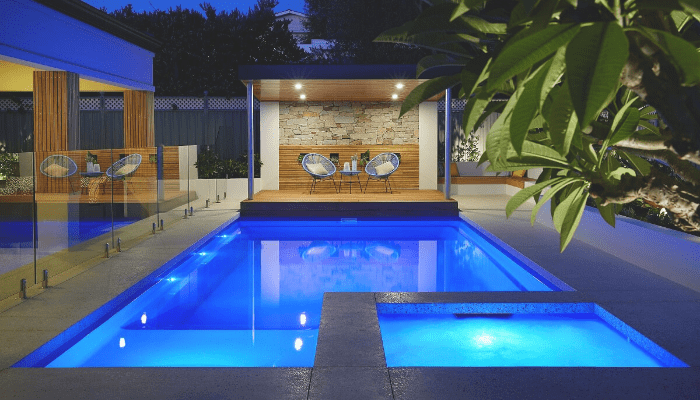
If you’re going big, go wild. Luxury natural pools can feature stone walls, curved organic shapes, hidden waterfalls, and even integrated spas. The key is balance. The system must be beautiful and functional.
Infinity edges work just as well on natural pools as they do on conventional ones. So do underwater benches, shallow sunbathing shelves, and sculptural features. The difference is that everything is alive, not sterile.
Rustic & Organic Designs
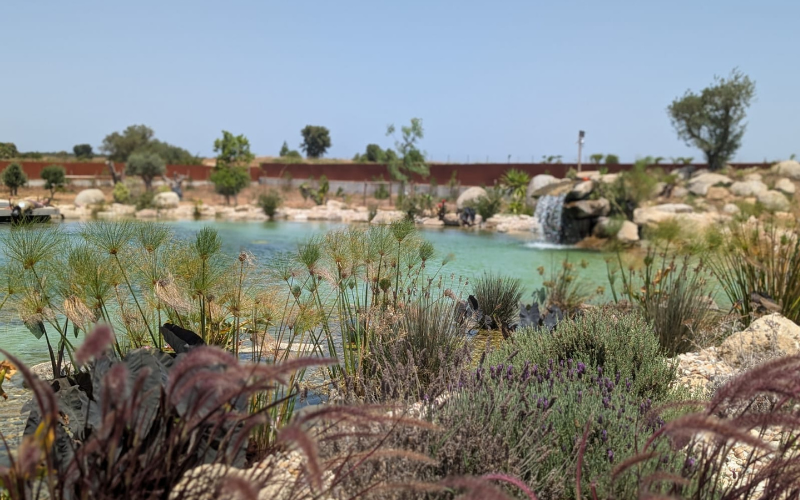
Think alpine ponds. Wild edges. Local stone. Deep green water framed by wildflowers and soft grasses. Rustic natural pools feel like they’ve always been part of the land.
They work well in rural settings, especially when you let nature guide the design instead of forcing a geometric layout. Let the land slope. Let the plants decide. Let it breathe.
Modern Natural Pools
Sharp lines. Clean forms. Minimal materials. A modern natural pool might look like a minimalist reflecting pond, but underneath, it’s all biofiltration and smart circulation.
Use concrete or Corten steel for structure, then soften the edges with aquatic plants. The contrast between sleek design and wild ecology makes a bold statement, and it’s very photogenic.
Key Elements of a Functional Natural Pool
Designing a natural pool isn’t just about aesthetics. There’s real science at work.
You need a regeneration zone, an area filled with aquatic plants like reeds, water lilies, and floating oxygenators. These plants absorb nutrients, block algae, and oxygenate the water. They’re your living filter.
Next comes the substrate. This is usually a mix of gravel, sand, and mineral-rich materials. It gives beneficial bacteria a place to live. These microbes help break down waste and keep the water balanced.
A circulation system keeps the water moving gently from the swimming zone to the regeneration zone. No stagnant water. No noisy pumps. Often, solar-powered pumps or passive flow systems are enough.
And the layout? It matters. The ratio between swim zone and filter zone has to be right. Too little filtration and things get murky. Too much and you lose swimming space. That’s why design intelligence is everything.
Natural Pool Maintenance: Easier Than You Think
Let’s kill the myth: natural pools are not high-maintenance swamps waiting to happen.
If built well, they practically take care of themselves. Here’s what’s actually involved:
- Skim leaves and debris off the surface, especially in autumn
- Cut back aquatic plants once or twice a year
- Check and clean filters occasionally
- Top up water during dry spells (rain usually handles it)
- Make minor seasonal adjustments as the ecosystem evolves
No chlorine. No draining. No harsh winterizing routines. Just steady, simple maintenance that keeps the system balanced, and you swimming.
Building a Natural Pool: What to Know Before You Start
Ready to dig? Not so fast. Here’s what you need to know before getting started:
- Check local laws: Some regions require permits for ponds or pools, especially if they exceed a certain depth.
- Assess your land: Soil composition, slope, and sun exposure – they all influence design.
- Plan your zones: You need space for both the swimming area and the regeneration zone.
- Budget smart: Expect to invest similarly to a traditional pool. Long-term savings come from lower energy and chemical costs.
- Think like an ecosystem: This isn’t a water feature. It’s a living system. Design accordingly.
And if you’re not sure where to begin, don’t worry. That’s where we come in.
Can You Retrofit an Existing Pool?
Short answer: sometimes, yes.
If you already have a concrete or tiled pool, you might be able to convert it into a natural pool system. It depends on the structure, layout, and plumbing access. You’ll need to add a regeneration zone and redesign the filtration but it can be done.
This is especially useful for older pools that are expensive to maintain or constantly leaking. Instead of ripping everything out, you evolve it.
It’s a great way to reduce your environmental impact while increasing the beauty and functionality of your space.
Conclusion
Natural pools aren’t just an aesthetic choice. They’re a design decision with long-term consequences. Good ones support entire micro-ecosystems. Great ones feel like swimming in a private spring.
And the best part? They’re not limited to the rich or the rural. With the right plan, and the right team, a natural pool can become the centerpiece of an eco-conscious lifestyle. One that doesn’t just look good, but does good.
Whether you’re dreaming up a peaceful backyard refuge or a high-end regenerative system that stuns at first sight, we’re here for it.
At Oásis Biosistema, we specialize in designing and building natural pools that align with nature, not fight it. Zero chlorine. Maximum beauty. Entirely integrated with the landscape you live in.
Ready to turn your vision into a living water system? Explore our natural pool design services and start building your oasis today.
FAQ
Are natural swimming pools a good idea?
Natural swimming pools are a good idea for people who want chemical-free water and an eco-friendly design. They use plants and biological filters instead of chlorine, creating a natural look and feel. However, they need more space, careful planning, and higher upfront costs than traditional pools.
How to create a natural swimming pool?
To create a natural swimming pool, you design two zones: a swimming area and a regeneration zone with aquatic plants. Water is filtered naturally through gravel, plants, and beneficial bacteria. Construction involves excavation, a waterproof liner, circulation systems, and careful plant selection to maintain water balance.
Does a natural pool need a pump?
Yes, most natural pools need a pump to circulate water between the swimming and regeneration zones. The pump helps move water through biological filters and plants, ensuring proper filtration and preventing stagnation. However, energy use is usually lower than in conventional chlorine pool systems.
How much is it to make a natural pool?
The cost of a natural swimming pool typically ranges from £20,000 to £60,000+ or $30,000 to $100,000, depending on size, design, materials, and landscaping. While initial costs are higher than standard pools, ongoing chemical and maintenance expenses are usually lower over time.