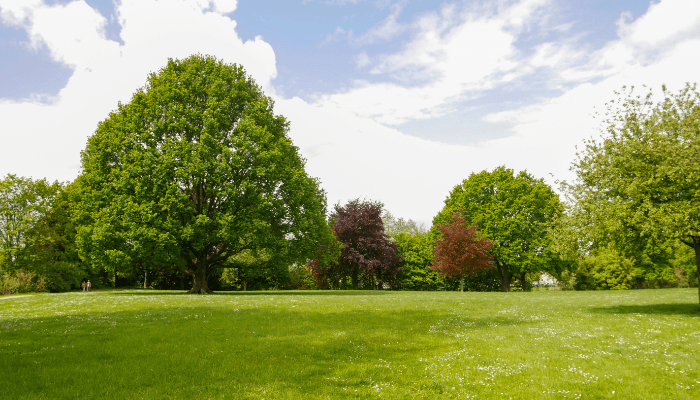

An uneven lawn is just your yard’s way of crying for help. Because if your lawn looks like a green rollercoaster, it’s not just annoying, it’s a problem. And no, it’s not just you. Studies show that up to 70% of homeowners deal with bumpy, uneven lawns caused by poor drainage, pets, and plain old soil settling.
Uneven ground can wreck your mower blades, collect puddles, cause patchy growth, and make outdoor entertaining feel like walking on the moon. Worse? It can make even a freshly-cut lawn look neglected.
But here’s the good news: you don’t need to hire a landscaping team with clipboards and walkie-talkies to fix it. With the right tools, timing, and this step-by-step guide, you can level your lawn yourself without digging up your entire yard or your life savings.
Let’s break down exactly what causes bumps and dips, what materials you’ll need, and how to fix your lawn once and for all. Grab your rake, it’s go time.
Key Takeaways
- Uneven lawns are caused by settling soil, drainage issues, pets, and root systems.
- Leveling is best done in spring or early fall for fast recovery.
- A topdressing mix of sand, soil, and compost creates stable, healthy results.
- Fill dips gradually and spread material lightly to avoid suffocating grass.
- Water gently after leveling to help the soil settle without washing it away.
- Reseed bare spots and maintain the lawn annually with light topdressing.
- Severe unevenness may require regrading or drainage improvements.
While You're Perfecting Your Garden, Think Bigger
What Causes an Uneven Lawn?
Uneven lawns aren’t just unsightly. They’re a nuisance. Tripping hazards, water puddling, patchy growth, those bumps and dips are symptoms, not the problem.
So what causes your lawn to go all wonky?
For starters: soil settling. After construction or landscaping, soil often shifts and compresses over time, creating unexpected low spots. Add in poor drainage, and water carves little valleys under the surface. Hello, boggy lawn.
Pets digging, kids playing, moles tunneling underneath, your lawn takes a daily beating. And if you have tree roots nearby? They’re slowly pushing the ground up like botanical bodybuilders.
Finally, if your grass has thick thatch or heavy clay soil, it can’t “breathe.” That creates surface irregularities that only get worse if left unchecked.
Bottom line? If your lawn is bumpy, it’s not your fault but it is your job to fix it.
When Is the Best Time to Level Your Lawn?
Timing matters. A lot.
The best time to level your lawn is in spring or early fall. That’s when the grass is actively growing, which means it can quickly recover from the disturbance.
Avoid peak summer. High heat plus fresh topsoil equals baked dirt. And in winter? Your lawn’s asleep. Nothing’s growing, nothing’s settling, it’s like trying to ice-skate on sand.
If you’re also planning to aerate or overseed, coordinate the leveling around those tasks for maximum impact. Think of it as a lawn “refresh cycle.”
Tools and Materials You’ll Need
Let’s get your toolbox ready. No need to buy the entire garden center, just a few essentials will do:
- Lawn mower – start with a short cut.
- Garden rake – for spreading and smoothing.
- Shovel – for spot filling.
- Topdressing mix – a blend of sand, soil, and compost (more on that below).
- Lawn roller or tamper – optional but handy for compacting.
- Wheelbarrow – for moving your mix without 73 back-and-forths.
- String and stakes – to help visualize the slope and low areas.
Want to go full pro? A leveling rake (also called a lute) makes spreading material over wide areas a breeze. Not necessary, but satisfying to use.
How to Level a Lawn: Step-by-Step
Alright. Gloves on. Here’s the no-fluff method to actually get it done.
1. Mow Low and Inspect
Set your mower to a low, but safe, setting. You’re not scalping it; you’re just removing the fluff so you can see the surface clearly.
Now walk your lawn slowly. Feel for dips with your feet. Mark the worst offenders with flags, string, or mental notes. You’re about to go landscaping Sherlock Holmes.
2. Remove Thatch and Debris
Grab your rake. Time to declutter.
If your lawn has more than half an inch of thatch (that dry, straw-like layer), it needs to go. Thatch prevents your topdressing from integrating with the soil. Think of it like spreading peanut butter on wax paper. No bueno.
If it’s bad, consider core aeration first, especially in compacted soil. That opens up channels for your new material to settle in and roots to grow.
3. Mix and Apply Topdressing
Here’s your secret sauce: a mix of sand, screened topsoil, and compost. About 40% sand, 40% soil, 20% compost works well for most lawns.
Why this blend?
- Sand improves drainage and leveling.
- Soil supports root growth.
- Compost feeds the lawn and encourages healthy microbes.
Use your shovel to apply the mix over the dips and bumps. No need to bury the grass. Aim for a layer less than half an inch in most areas, just enough to smooth things out.
Filling a deep divot? Don’t dump three inches at once. Build it up in layers, giving it time to settle between applications.
4. Spread and Smooth
Use your rake (or leveling rake) to spread the topdressing evenly across the surface.
Sweep it back and forth. Let the material fall into the low spots while brushing it off the high ones. You’re sculpting, not snowplowing.
If it looks like you made it worse, don’t panic. Once the grass grows through and the soil settles, it’ll look like a pro job.
5. Water It In
Lightly water the lawn to help the material settle and bond with the existing soil.
Don’t flood it. A gentle sprinkle over a couple of days works better than one monster soak. You want the mix to compact naturally, not wash away into your neighbor’s flowerbeds.
6. Reseed If Needed
If any bare patches show up, throw down some high-quality grass seed. Use the same type already in your lawn for consistency.
Cover lightly with topsoil and keep it moist until germination. Your grass should peek through in 7 to 14 days depending on temperature and type.
How to Level a Yard With Serious Issues
Some yards need more than topdressing. If you’ve got major low spots like sunken trampoline pits or old garden beds, you might need to regrade the area.
This means reshaping the slope of the land, often with several inches of new soil. Especially if water pools near your home’s foundation, regrading becomes a drainage issue, not just aesthetics.
In those cases, consider:
- French drains to divert water.
- Swales or berms for redirection.
- Professional help for heavy equipment jobs.
And please, never cover your lawn with more than 1 inch of material at once. You’ll suffocate the grass and create new problems faster than you fixed the old ones.
How Often Should You Level a Lawn?
Leveling isn’t a one-and-done deal. Think of it as maintenance, not a miracle.
For minor unevenness, an annual topdressing in spring or fall can keep things smooth and healthy. It also improves soil structure over time.
For major repairs? Do it once, do it well, and monitor as seasons change.
Mistakes to Avoid
You’re already ahead of 90% of homeowners by reading this. Don’t blow it with rookie errors.
- Using the wrong mix – straight sand is great for bunkers, not backyards. Blend it with soil and compost.
- Overfilling dips – soil settles. Add layers gradually.
- Neglecting drainage – leveling a poorly-draining yard just hides the real issue.
- Skipping the mow – topdressing over shaggy grass just leads to clumps and confusion.
- Suffocating the grass – too much topsoil can kill it. Stay light.
How to Tell If Your Lawn Actually Needs Leveling
Before you go full Bob the Builder, make sure leveling is the right fix.
If your mower scalps the same area every week, if puddles form after every rain, or if your dog disappears into a mystery hole mid-fetch, those are your signs.
Not all “bumpy” lawns need full topdressing. Sometimes, simple spot repairs or aeration can solve the issue. Walk the yard barefoot. Your feet won’t lie.
Conclusion
Leveling your lawn isn’t rocket science but it is science. Soil science, drainage dynamics, gravity, it all plays a part. But when you follow a clear process, you take the guesswork out. Mow low. Fill the dips. Topdress. Water. Repeat. Simple.
You’ll go from “Why does my yard feel like a minefield?” to “Wow, this looks like a putting green.” No more twisted ankles. No more puddles. Just smooth, healthy turf and a better Sunday mowing experience.
Need a hand with soil mix, professional topdressing, or a full lawn assessment? That’s where we come in. Whether you’re a DIY weekend warrior or prefer to hand over the shovel, we offer lawn care and leveling services tailored to your yard’s needs.
Let’s get your lawn back in line, one smooth step at a time.
Need expert help leveling your lawn or transforming your outdoor space? At Oásis Biosistema, we create natural, balanced environments. From smooth, healthy lawns to stunning garden water features. Whether you want to DIY with guidance or hand it all off to the pros, we’re here to help. Get in touch today and bring harmony back to your yard.
FAQ
What is the easiest way to level your lawn?
The easiest way to level your lawn is to fill low spots with a topdressing mix of soil and sand, rake it smooth, and lightly compact it. Water the area to help the soil settle. For small bumps or dips, gradual layering over time keeps the lawn even without major work.
How to fix a really uneven lawn?
To fix a very uneven lawn, start by identifying high and low spots. Remove turf from severely uneven areas, regrade the soil for proper drainage, and replace or reseed the grass. For moderate unevenness, apply repeated layers of topdressing. Aeration and rolling can also help smooth rough, lumpy areas.
Can I put soil on top of grass to level?
Yes, you can put soil on top of grass to level a lawn as long as the layer is thin, usually less than 2–3 cm at a time. The grass will grow through the soil as it settles. Multiple light layers over several weeks give a smooth, even lawn without suffocating the turf.
Is it better to level a lawn with sand or soil?
A mix of sand and topsoil is best for leveling. Sand improves drainage and prevents compaction, while soil provides nutrients for healthy grass growth. Pure sand can dry out quickly, and pure soil can compact and become uneven again. A balanced 70% sand and 30% soil blend works well.