
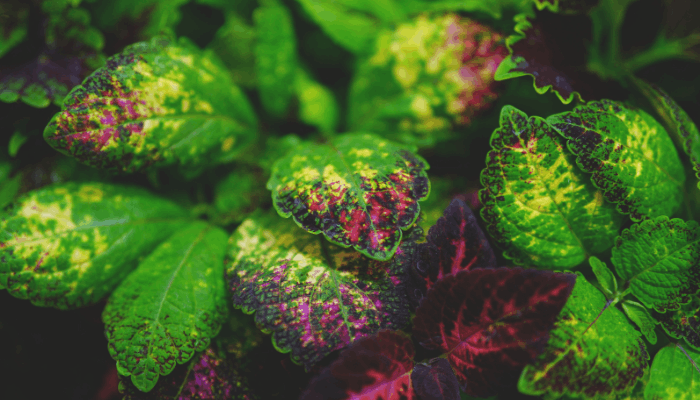
Phytotoxicity is injury or damage to plants caused by exposure to toxic substances, e.g. chemicals that interfere with normal plant physiology, growth, or metabolism. Unlike biotic damage from diseases, insects, or environmental stress, phytotoxicity results from direct chemical harm, whether from pesticides, fertilizers, herbicides, pollutants, or naturally occurring toxic compounds in soil or water.
The term combines “phyto” (plant) and “toxicity” (poisonous effect), literally meaning “plant poisoning.” While the concept is straightforward, diagnosing phytotoxicity is challenging because symptoms often resemble other problems like drought stress, nutrient deficiencies, disease, or insect damage. Understanding phytotoxicity helps gardeners, landscapers, and pond owners recognize chemical injury, prevent future damage, and make informed choices about chemical use in outdoor spaces.
This guide covers phytotoxicity causes, symptoms, prevention strategies, and implications for natural landscaping approaches that minimize chemical inputs.
Key Takeaways
- Phytotoxicity is chemical damage to plants caused by pesticides, fertilizers, herbicides, heavy metals, or other toxic substances.
- Symptoms vary by chemical type. Herbicides cause twisting/cupping, fertilizer burn produces leaf margin necrosis, insecticides/fungicides cause spotting or discoloration.
- Diagnosis requires knowing what chemicals were applied, when, and under what conditions helps identify phytotoxicity vs. other problems.
- Prevention is key. Follow label directions precisely, avoid application during stress conditions (heat, drought, wind), test on small areas first.
- Environmental conditions increase risk. Heat above 30°C, high humidity, drought stress, and windy conditions all predispose plants to phytotoxic damage.
- Damage is irreversible and affected tissue cannot recover, but new growth emerges healthy if chemical exposure stops.
- Natural landscaping reduces risk minimizing chemical inputs through ecological design (natural pools, native plants, biological pest control) and eliminates most phytotoxicity concerns.
The Safest Garden Is a Chemical-Free One
What Causes Phytotoxicity?
Multiple chemical sources can injure plants, each producing characteristic damage patterns.
Herbicides (Plant Killers)
Herbicides are designed specifically to kill plants, making them the highest-risk chemicals for phytotoxicity when desirable plants are exposed.
Common exposure routes:
Drift: Wind carries herbicide spray from lawns, agricultural fields, roadsides, or neighboring properties onto ornamental plants. Even minute quantities cause damage to sensitive species.
Contaminated equipment: Spray equipment previously used for herbicide application retains residues that contaminate subsequent applications of fertilizers, insecticides, or fungicides.
Soil residues: Persistent herbicides (preemergence types) remain active in soil for weeks to months, damaging plants with roots growing through treated areas.
Mulch/compost contamination: Herbicide-treated grass clippings, hay, or straw used as mulch can release residual herbicide into soil.
Herbicide categories and symptoms:
Growth regulator herbicides (2,4-D, dicamba): Cause leaf cupping, twisting, and epinasty (downward bending). New growth appears distorted, narrow, and elongated.
Photosystem inhibitors (atrazine, simazine): Produce chlorosis (yellowing) and necrosis (death) starting at leaf margins and progressing inward.
Amino acid synthesis inhibitors (glyphosate, sulfonylureas): Cause stunting, chlorosis of new growth, and eventual plant death.
Contact herbicides (paraquat, diquat): Rapid leaf scorching and desiccation where spray contacts tissue.
Fertilizers (Nutrient Salts)
Fertilizer phytotoxicity occurs when soluble salts accumulate to toxic concentrations, usually from over-application or application during drought.
Mechanisms:
Salt burn: High salt concentration in soil draws water out of plant roots through osmosis, causing dehydration despite adequate soil moisture.
Foliar burn: Granular fertilizer landing on wet leaves dissolves and burns tissue at contact points.
Symptoms:
- Necrotic (dead, brown) leaf margins and tips
- Wilting despite moist soil
- Stunted growth
- Root damage (black, mushy roots)
High-risk scenarios:
- Application rates exceeding label recommendations
- Broadcasting fertilizer during drought without irrigation
- Applying fertilizer to wet foliage (morning dew, after rain)
- Using slow-release fertilizers improperly (burying in planting holes causes root burn)
Insecticides and Fungicides
While designed to target pests and diseases, these pesticides can damage plants under certain conditions.
High-risk conditions:
Oil-based formulations during heat: Horticultural oils and emulsifiable concentrates applied when temperatures exceed 30°C cause leaf scorching and defoliation.
Sulfur during high temperatures: Sulfur fungicides volatilize in heat, causing leaf burn.
Copper fungicides in cool, wet conditions: Copper accumulates on wet leaves in humid weather, causing phytotoxicity.
Tank mixing incompatibilities: Combining multiple pesticides creates chemical reactions that produce phytotoxic compounds.
Symptoms:
- Chlorotic or necrotic spots across entire leaf surface (not just margins)
- Leaf curling or cupping
- Premature defoliation
- Flower/fruit drop
Heavy Metals
Toxic metals contaminate soil through industrial pollution, mining residues, vehicle emissions, treated wood preservatives, and some fertilizers.
Common phytotoxic metals:
- Cadmium (Cd)
- Lead (Pb)
- Copper (Cu) – essential micronutrient but toxic at high levels
- Zinc (Zn) – essential micronutrient but toxic at high levels
- Arsenic (As)
- Chromium (Cr)
Symptoms:
- Stunted growth
- Chlorosis (yellowing) of young leaves
- Root damage and reduced root mass
- Necrotic spots
- Reduced flowering and fruiting
Heavy metal phytotoxicity is chronic rather than acute. Plants accumulate metals over time, gradually showing symptoms as concentrations reach toxic thresholds.
Soil Contaminants
Road salts: De-icing salts (sodium chloride, calcium chloride) accumulate in roadside soils, causing salt burn on plants during spring runoff.
Petroleum products: Oil, gasoline, diesel spills damage roots and create anaerobic soil conditions.
Wood preservatives: Creosote, arsenic compounds, and copper-based preservatives leach from treated lumber into surrounding soil.
Industrial pollutants: Factory emissions, wastewater discharge, and improper waste disposal introduce toxic compounds into landscapes.
Symptoms of Phytotoxicity
Recognizing phytotoxicity requires distinguishing chemical damage from other problems.
Visual Symptoms
Leaf necrosis (death):
- Margins and tips (fertilizer burn, salt damage)
- Spots or blotches (pesticide contact damage)
- Scorching/bleaching (herbicide, heat + oil sprays)
Chlorosis (yellowing):
- Interveinal chlorosis (yellowing between leaf veins) – herbicides, heavy metals, nutrient imbalances
- Overall yellowing – systemic herbicide damage
Abnormal growth:
- Twisting, cupping, or distortion – growth regulator herbicides
- Stunting – various herbicides, heavy metals, salt stress
- Epinasty (downward leaf curling) – hormone-type herbicides
Premature leaf drop:
- Oil sprays in hot weather
- Excessive pesticide application
Root damage:
- Blackened, mushy roots – fertilizer burn, soil contaminants
- Reduced root mass – heavy metals, herbicides
Diagnostic Clues
Pattern of damage:
Phytotoxicity: Usually affects multiple plant species simultaneously. Damage severity decreases with distance from chemical source (e.g., herbicide drift affects plants closest to source most severely).
Disease/insects: Typically species-specific or affect only certain plant families. Damage spreads progressively over time.
Timing:
Phytotoxicity: Symptoms appear suddenly after chemical application (hours to days). Damage does not worsen or spread unless chemical exposure repeats.
Disease/insects: Symptoms develop gradually and worsen/spread over weeks.
Affected tissue:
Phytotoxicity: Damage is static. Affected leaves remain damaged but don’t develop new spots or lesions. Pruning removes damaged tissue permanently.
Disease: Leaf spots expand in size and number over time. Pruning doesn’t prevent disease spread unless the pathogen is removed.
Risk Factors That Increase Phytotoxicity
Plants are more vulnerable to chemical damage under certain conditions.
Environmental Stress
Drought/water deficit:
Drought-stressed plants have reduced metabolic capacity to detoxify chemicals. Cell membranes are less resilient, making tissue more permeable to pesticides.
High temperatures (>30°C):
Heat increases pesticide volatilization (liquid to gas transformation), spreading chemicals beyond target areas. Plant cuticles (waxy leaf coatings) are thinner when hot, allowing deeper pesticide penetration.
High humidity/slow leaf drying:
Prolonged wetness allows pesticides to remain in contact with tissue longer, increasing absorption and damage risk. Fungicides containing copper or sulfur are particularly problematic in humid conditions.
Low temperatures:
Cold-stressed plants metabolize chemicals slowly, allowing toxic compounds to accumulate.
Plant Growth Stage
Flowering:
Plants are most sensitive during bloom. Avoid foliar pesticide applications during flowering if possible.
New growth:
Young, tender leaves and shoots have thinner cuticles and are more susceptible to chemical injury than mature tissue.
Transplant shock:
Recently transplanted plants with damaged roots are highly vulnerable to any additional stress.
Application Factors
Excessive rates:
Using concentrations higher than label recommendations guarantees phytotoxicity. “More is better” does not apply to pesticides.
Overlapping applications:
Re-spraying the same area multiple times doubles or triples chemical exposure.
Tank mixing:
Combining incompatible products creates unpredictable chemical reactions. Only mix products explicitly labeled as compatible.
Surfactant addition:
Adding surfactants (wetting agents) to ready-to-use products increases penetration beyond safe levels for plants.
Contaminated equipment:
Spray tanks, hoses, and nozzles contaminated with herbicide residues damage plants even when applying fertilizers or other pesticides.
Prevention Strategies
Preventing phytotoxicity is far easier than treating damage.
Follow Label Directions Exactly
Dosage: Use recommended concentration. Never increase strength thinking it will work better or faster.
Timing: Apply during appropriate weather conditions (cool mornings, low wind, moderate temperatures).
Target plants: Only apply to plant species listed on the label as safe. Unlisted plants may be sensitive.
Mixing: Only combine products if the label explicitly allows tank mixing.
Application Best Practices
Weather conditions:
- Avoid application when temperatures exceed 30°C
- Do not spray when winds exceed 8-10 km/h (risk of drift)
- Apply early morning (6-10am) when temperatures are cool and humidity moderate
- Avoid application immediately before rain (runoff/leaching)
Plant condition:
- Water plants 24 hours before pesticide application (well-hydrated plants tolerate chemicals better)
- Do not apply to drought-stressed, wilted, or otherwise stressed plants
- Avoid application during active bloom if possible
Equipment maintenance:
- Thoroughly clean spray equipment after every use
- Triple-rinse tanks, hoses, and nozzles
- Use separate dedicated sprayers for herbicides vs. other pesticides
- Replace spray equipment if herbicide contamination is suspected
Test First on Small Areas
When using new products, tank mixes, or application methods, test on a few plants and observe for 3-7 days before full-scale application.
Alternative Approaches
Reduce chemical dependency:
- Physical pest removal: Hand-pick insects, remove diseased tissue, pull weeds
- Cultural practices: Proper watering, mulching, plant spacing reduces pest/disease pressure
- Biological controls: Beneficial insects, predatory mites, parasitic wasps control pests naturally
- Resistant plant varieties: Choose disease-resistant cultivars requiring less fungicide
Minimize fertilizer use:
- Soil test before fertilizing (avoid unnecessary applications)
- Use slow-release organic fertilizers (lower salt index, gradual nutrient release)
- Apply compost and mulch to improve soil fertility naturally
- Split applications (several small doses rather than one large application)
Treatment After Phytotoxicity Occurs
Once damage occurs, treatment options are limited.
Irreversible Tissue Damage
Phytotoxic injury cannot be reversed. Affected leaves, stems, and roots remain damaged permanently. The goal is preventing further damage and supporting new healthy growth.
Immediate Actions
Stop chemical exposure:
If phytotoxicity is from ongoing exposure (contaminated mulch, soil herbicide residues), remove the source immediately.
Irrigate heavily (for fertilizer burn/salt damage):
Deep watering leaches excess salts below the root zone. Apply 2-3cm of water over several hours to flush salts downward. Do not do this for pesticide phytotoxicity as irrigation won’t help and may spread contamination.
Prune damaged tissue:
Remove severely damaged leaves and stems to improve appearance and redirect plant energy to new growth. Pruning also removes some absorbed pesticide in damaged tissue.
Provide optimal care:
- Water consistently (avoid drought stress)
- Avoid additional stress (do not fertilize heavily, transplant, or prune excessively beyond removing damaged tissue)
- Monitor for secondary problems (stressed plants are vulnerable to pests/diseases)
Recovery Timeline
Plants produce new, healthy growth if chemical exposure ends. Recovery time depends on:
- Severity of damage (minor burns recover in weeks; severe damage takes months)
- Plant species (fast-growing species recover faster)
- Growing season (damage during active growth recovers faster than damage during dormancy)
Typical recovery: 4-12 weeks for new foliage to replace damaged tissue.
Portugal-Specific Considerations
Climate Factors
Hot, dry summers (June-September):
Inland regions (Alentejo, Beira Interior) experience temperatures 35-40°C regularly. Phytotoxicity risk from oil-based pesticides and fertilizers is extreme during summer heat. Apply chemicals only during early morning or late evening when temperatures are below 25°C.
Mediterranean vegetation:
Native and adapted plants (cork oak, olive, lavender, rosemary, cistus) tolerate drought naturally but are sensitive to chemical stress during dry periods. Avoid fertilizer application during summer drought and wait until autumn rains begin.
Common Phytotoxicity Scenarios in Portugal
Olive grove herbicide drift:
Herbicides applied to control weeds in commercial olive groves drift onto neighboring ornamental landscapes, damaging broadleaf plants. Glyphosate and growth regulator herbicides are common culprits.
Lawn herbicide contamination:
Selective broadleaf herbicides used on turf grass drift onto garden beds, causing damage to roses, vegetables, and ornamental shrubs.
Over-fertilization of drought-stressed landscapes:
Applying granular fertilizer during summer without irrigation causes severe salt burn. Many landscapes in Portugal are not irrigated; fertilizer application during drought is guaranteed phytotoxicity.
Road salt (northern/mountain regions):
De-icing salts used on roads in northern Portugal and mountain areas (Serra da Estrela, Trás-os-Montes) cause spring salt burn on roadside vegetation when snowmelt/runoff occurs.
Natural Pools and Chemical-Free Landscaping
Natural swimming pools and ecological landscape design minimize phytotoxicity risk by eliminating or drastically reducing chemical inputs.
Natural Pools: Zero Chemical Approach
Natural pools rely entirely on biological filtration. Aquatic plants and beneficial bacteria purify water without chlorine, algaecides, or chemical treatment. This eliminates phytotoxicity risk to planted wetland zones.
Conventional pool phytotoxicity risks:
- Chlorine splash on adjacent plants causes leaf burn
- Pool backwash water (containing chlorine, algaecides, high salts) kills vegetation if discharged onto landscapes
- Chemical storage spills damage nearby plants
Natural pool advantages:
- No toxic chemicals stored or handled
- Overflow/backwash water is safe for irrigation
- Planted zones thrive without chemical exposure
- Surrounding landscaping remains chemical-free
Ecological Landscape Management
Designing landscapes with native and adapted plants, promoting beneficial insects, and maintaining healthy soil biology reduces reliance on pesticides and fertilizers.
Strategies:
Native plant selection:
Portuguese native species (cork oak, holm oak, strawberry tree, rosemary, lavender, cistus) evolved in local soils and climate. They require minimal fertilization and resist local pests naturally, reducing chemical inputs.
Companion planting:
Diverse plantings (mixed species, layered vegetation) support predatory insects and birds that control pests biologically.
Mulching:
Organic mulch (wood chips, pine needles, compost) suppresses weeds without herbicides, improves soil fertility without synthetic fertilizers, and retains moisture reducing drought stress.
Soil health:
Healthy soil with active microbial communities supports plant health naturally. Compost additions, reduced tilling, and cover cropping build soil biology that resists disease and cycles nutrients.
By designing landscapes that function ecologically, mimicking natural plant communities and ecological processes, chemical dependence decreases dramatically, eliminating most phytotoxicity risk while creating healthier, more resilient outdoor spaces.
If you’re planning a natural pool or considering ecological landscape design that minimizes chemical inputs, Oásis Biosistema specializes in chemical-free water features and native plantings adapted to Portugal’s climate.
Conclusion
Phytotoxicity is chemical damage to plants caused by pesticides, fertilizers, herbicides, heavy metals, or other toxic substances. Symptoms include leaf necrosis, chlorosis, abnormal growth, stunting, and premature defoliation. Diagnosis requires knowing the plant’s chemical exposure history and distinguishing chemical injury from disease, insect damage, or environmental stress.
Prevention is essential as phytotoxic damage is irreversible. Follow label directions precisely, apply chemicals during appropriate environmental conditions (cool temperatures, low wind, well-hydrated plants), avoid stress conditions (drought, heat, flowering), and test new products on small areas before widespread application.
Ecological landscape approaches that minimize chemical inputs, native plantings, biological pest control, organic soil management, and natural pools, eliminate most phytotoxicity concerns while creating healthier, more sustainable outdoor environments. In Portugal’s Mediterranean climate, where native vegetation is adapted to thrive without intensive chemical support, reducing pesticide and fertilizer use aligns with both plant health and environmental stewardship.
FAQ
Can plants recover from phytotoxicity?
Yes, plants can recover from phytotoxicity if the damage isn’t severe. Remove the source (e.g., excess pesticide or fertilizer), flush the soil with water, and provide proper light and nutrients. New growth often returns healthy even if older leaves stay damaged.
How to control phytotoxicity in plants?
To prevent phytotoxicity, always follow product label rates, avoid spraying during high heat, and test on a small area first. Use the correct dilution, apply at the right time of day, and avoid mixing incompatible chemicals.
What are the symptoms of phytotoxicity?
Common signs of phytotoxicity include leaf burn, yellowing (chlorosis), spotting, curling, stunted growth, and sometimes plant death. Damage often appears shortly after chemical application and may affect only treated areas.
Which pesticide is most toxic to humans?
Several pesticides are highly toxic, especially organophosphates like parathion. These affect the nervous system and can be deadly if misused. Many are now banned or strictly regulated due to their high risk to human health.