
Gardening is cheaper than therapy, and you get tomatoes. This floats around on tote bags and Instagram captions, but let’s be real: fruit is where the magic happens.
A single raspberry cane can produce hundreds of berries. One strawberry patch? It’ll explode by year two. A dwarf citrus tree? It might just change your life. And you don’t need a backyard jungle to get started. Even balconies, patios, or sunny windowsills can work wonders.
Here’s the kicker: more people are growing their own food than ever before. In fact, 1 in 3 American households is now gardening at home. And fruit is leading the charge. Not just because it tastes better off the vine, but because it’s surprisingly easy once you get the hang of it.
But starting a fruit garden can feel… complicated. What grows well in pots? What fruits don’t take a decade to mature? How do you stop squirrels from stealing everything?
That’s exactly what this guide is for. Whether you’ve got a half-acre or a fire escape, I’ll walk you through how to grow juicy, homegrown fruit that doesn’t suck up your weekends or your paycheck.
Let’s dig in. And yes, there will be puns.
Key Takeaways
- You can grow fruit in containers, raised beds, or small spaces.
- Strawberries, blueberries, figs, and citrus are great for beginners.
- Sunlight, good soil, and drainage are essential for success.
- Start small with 2 to 3 fruit types that match your local climate.
- Avoid common mistakes like overwatering or forgetting pollinators.
- Use mulch, compost, and organic fertilizers to maintain healthy plants.
- Harvest fruit when ripe by checking color, scent, and ease of picking.
- Fruit gardening is productive, fun, and doable in any space.
Why Grow Your Own Fruit?
Because supermarket fruit is… fine. It’s acceptable. But it’s also picked too early, shipped too far, and bred more for shelf life than flavor. Growing your own fruit changes the game. It’s fresher. It’s tastier. And it’s yours.
Fruit gardening also makes financial sense. A single $10 berry bush can feed you for years. Add in lower grocery bills, less packaging waste, and the joy of harvesting something you grew yourself and suddenly that raised bed feels like an investment.
There’s also something deeply grounding about fruit gardening. You get outside. You slow down. You start noticing things like bees, soil texture, rain patterns. It’s productive without burnout.
What Is Fruit Gardening?
Fruits gardening is exactly what it sounds like: growing edible fruit at home, whether in your backyard, balcony, or a few containers. But it’s also more than that.
It’s strawberries in a hanging basket. Blueberries in a wine barrel. Apples on a cordoned tree along your fence. It’s about cultivating plants that give back. Fruit gardening blends beauty and function. It’s productive, aesthetic, and completely customizable.
Unlike growing leafy greens or herbs, fruit plants usually require a bit more patience and planning, but they reward you generously.
Best Fruits to Grow at Home (Even for Small Spaces)
Some fruits are divas. But others? They thrive in less-than-perfect conditions. Here’s what’s beginner-friendly and space-savvy:
Fruits That Grow in Pots or Containers
- Strawberries: Total overachievers in containers.
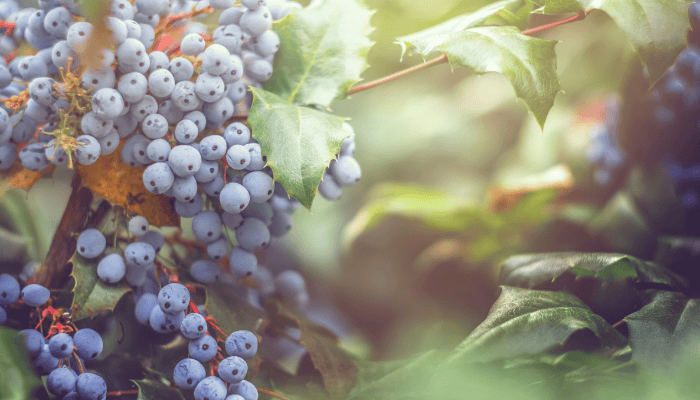
- Blueberries: Need acidic soil, but grow beautifully in pots.
- Figs: Love the confinement. Seriously.
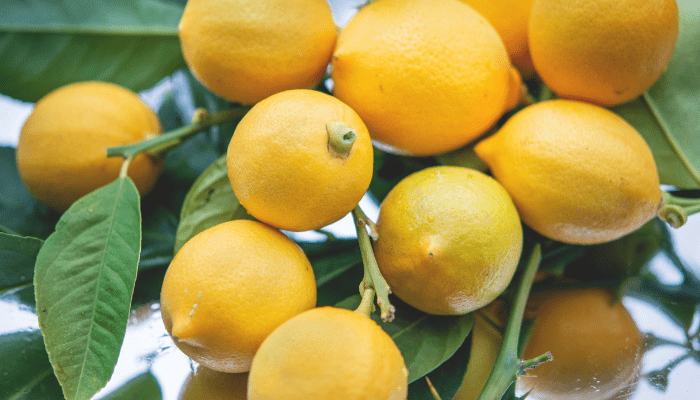
- Dwarf citrus: Lemons and limes indoors or out. Just give them sun.
Fruits That Grow on Vines or Trellises
- Grapes: Surprisingly tough and beautiful.
- Passionfruit: Exotic, fast-growing, and showy.
- Kiwi (hardy varieties): Needs space, but manageable with training.
Fruits for Raised Beds or Garden Beds
- Raspberries and blackberries: Give them room and they’ll take off.
- Melons: Use vertical supports if space is tight.
- Rhubarb: Technically a vegetable, but it plays well in fruit gardens.
Mix and match based on your space, climate, and fruit obsession level.
Planning Your Fruit Garden
This is the part where you channel your inner strategist.
Start by evaluating your space. Most fruiting plants need at least 6 hours of direct sun per day. No exceptions. Well, maybe currants and gooseberries but they’re the introverts of the fruit world.
Good drainage is key. Fruit roots hate soggy feet. Raised beds, mounded rows, or containers with proper holes make a huge difference.
Know your climate zone. Don’t plant tropical mangoes in Minnesota unless you have a greenhouse and a dream.
Also think vertically. Vines, dwarf trees, and wall-trained plants let you grow up instead of out.
Grow Food That Feels Good to Harvest
How to Start a Fruit Garden from Scratch
Here’s a simple game plan:
- Test your soil. Is it acidic or alkaline? Sandy or clay? Start there.
- Pick 2-3 fruits that suit your climate and space. Don’t go overboard.
- Prepare the soil. Compost, aged manure, and mulch are your friends.
- Plant at the right time. Late winter to early spring is ideal for most.
- Water deeply and consistently. Especially in the first few months.
- Protect young plants. Birds, rabbits, and even slugs are watching.
This isn’t a sprint, it’s more like a choose-your-own-adventure with pruning shears.
Common Mistakes in Fruits Gardening
- Overwatering. More fruit has been drowned than starved.
- Wrong plant for the zone. Don’t fight your climate. Pick what works.
- No pollination plan. Some fruits need friends. No second blueberry plant? No berries.
- Skipping pruning. This isn’t a jungle. Tame those branches.
- Neglecting pests. Aphids, birds, mold will love your fruit as much as you do.
Mistakes happen. Learn, adjust, keep going.
Maintenance Tips for Healthy, Productive Plants
- Prune with purpose. Shape trees and vines for airflow and sunlight.
- Mulch like you mean it. Saves water, prevents weeds, protects roots.
- Feed regularly. Compost teas, balanced organic fertilizers, worm castings.
- Support your plants. Trellises, cages, and stakes keep everything upright and thriving.
- Check for signs. Yellow leaves? Stunted growth? Ants? Investigate early.
Consistency is better than perfection.
Fruits Gardening in Small Spaces or Urban Areas
No backyard? No problem.
Balconies, patios, rooftops and even windowsills can work if you get creative. Choose compact, high-yielding plants like strawberries, bush blueberries, or potted citrus.
Use vertical space: hanging baskets, plant towers, and trellised vines maximize your square footage. Grow bags and self-watering containers are great for renters or temporary setups.
Bonus: fruit plants in small spaces double as decor. You can flex your green thumb and your design skills.
When and How to Harvest Your Fruit
Timing matters. Pick too soon, and it’s all sour and disappointing. Pick too late, and the birds get there first.
Look for these signs:
- Color has fully developed (not just blushing).
- Fruit comes off with a gentle tug.
- The scent is strong and sweet.
- Taste test. That’s the fun part.
Use clean tools to harvest, and handle gently to avoid bruising. Store in shallow containers and never pile fruit unless you like making jam accidentally.
Sustainable Gardening Tips for Fruit Growers
- Compost everything. Fruit peels, trimmings, leaves go back to the soil.
- Save seeds. Many fruits offer freebies for next season.
- Use mulch and drip irrigation. Less water, less work.
- Avoid synthetic chemicals. Your fruit deserves better, and so does your soil.
- Grow native and heirloom varieties. They adapt better and support pollinators.
Think of your garden as an ecosystem, not just a food factory.
Conclusion
Fruit gardening isn’t just for retirees with raised beds and sun hats. It’s for renters with balconies. Busy parents with five spare minutes. Tech workers will grow lights and too many basil plants already. It’s for you.
You don’t need to know everything. You just need to plant something. A single blueberry bush. A pot of strawberries. A fig tree shoved into the sunniest corner of your yard.
Start where you are. Use what you have. And trust that the magic is in the doing.
Because once you taste the first sun-warmed raspberry from your own garden, you’re ruined for store-bought forever. And honestly? That’s the goal.
So grab a trowel. Pick a plant. Get your hands dirty.
Your fruit garden is waiting, and it’s going to be delicious.
Ready to grow your own fruit or design a beautiful garden space? Oásis Biosistema designs garden spaces that fit your backyard, your lifestyle, and your local climate.
FAQ
What is the easiest fruit to grow in a garden?
Strawberries are the easiest fruit to grow in a garden. They adapt well to containers, raised beds, or ground soil and require minimal maintenance. With plenty of sun and good drainage, strawberries produce sweet, homegrown fruit quickly, making them ideal for beginners and gardeners with limited space.
What fruit trees should not be planted next to each other?
Avoid planting walnut trees near apples, pears, or stone fruits. Walnuts release a chemical called juglone, which can inhibit the growth of nearby plants. Also, keep apple trees away from cedar trees to prevent cedar apple rust. Proper spacing and companion planning help ensure a healthy fruit garden.
What is the best fruit to grow for beginners?
Blueberries are one of the best fruits for beginners. They’re low-maintenance, thrive in containers, and are resistant to pests. With acidic soil, full sun, and regular watering, blueberries yield sweet fruit year after year. Their compact size and simple care make them ideal for small or urban gardens.
What is the fruit garden?
A fruit garden is a space dedicated to growing edible fruit-bearing plants like trees, vines, or shrubs. It can be as large as a backyard orchard or as small as a few containers on a balcony. Fruit gardens provide fresh produce, support biodiversity, and combine beauty with function.