Jasmine and wisteria represent two of the most beloved fragrant climbing plants for gardens, pergolas, and landscape design. Both produce stunning floral displays and intoxicating scents, yet they differ dramatically in growth habits, maintenance requirements, structural demands, and overall garden impact. Understanding these differences allows gardeners to select the right climbing plant for their specific needs, climate, and available space.
This comprehensive guide compares jasmine and wisteria across key factors: fragrance characteristics, growth rates, flowering patterns, pruning needs, structural requirements, climate suitability, and landscape applications. Whether designing a natural pool surround, covering a pergola, or enhancing garden walls, the right choice depends on your priorities = manageable growth versus dramatic cascades, evergreen foliage versus deciduous spectacle, gentle climber versus vigorous giant.
Key Takeaways
- Jasmine: Evergreen, moderate growth (3-6 ft/year), manageable size (10-20 ft), fragrant white flowers late spring-summer, minimal pruning, gentle climber suitable near structures
- Wisteria: Deciduous, aggressive growth (10+ ft/year), massive potential (30-60 ft+), cascading fragrant blooms spring, twice-yearly pruning essential, requires extremely sturdy support
- Fragrance: Jasmine sweet and tropical; wisteria honey-grape sweetness
- Maintenance: Jasmine low-maintenance; wisteria high-maintenance with mandatory pruning
- Portugal climate: Both thrive, but jasmine excels year-round; wisteria dramatic but requires control
- Best for: Jasmine ideal for contained spaces, patio areas, gentle coverage; wisteria spectacular on massive pergolas, established trees (with caution)
Beautiful Climbing Plants Deserve a Beautiful Garden to Match
Jasmine Overview
What is Jasmine?
Star jasmine (Trachelospermum jasminoides), also called Confederate jasmine, is the most popular climbing jasmine for gardens. Despite its name, it is not a true jasmine (Jasminum genus) but belongs to the dogbane family (Apocynaceae). Native to China and Japan, star jasmine has become a garden staple in Mediterranean and warm temperate climates worldwide.
Appearance and Growth
Foliage: Glossy, dark green, oval leaves (5-8 cm long) provide year-round evergreen coverage. New growth emerges bronze, turning dark green with maturity. In cool winter temperatures, foliage may develop red-bronze tints.
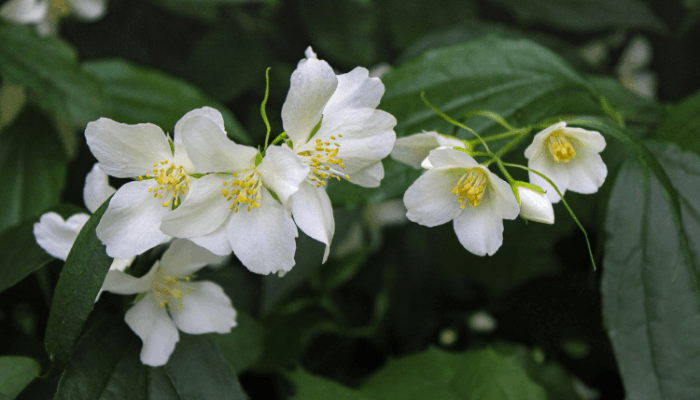
Flowers: Masses of creamy white, five-petaled pinwheel-shaped blooms (2-3 cm diameter) appear in late spring through early summer (May-July depending on climate). Flowers release intensely sweet, tropical fragrance, strongest during warm afternoons and evenings.
Growth rate: Moderate – 3 to 6 feet per year once established. Slow initial establishment (first year), then vigorous growth.
Mature size: 10-20 feet tall and wide when climbing on support structures. Can spread indefinitely as ground cover if allowed.
Climbing method: Twining stems wrap around supports (wires, trellis slats, lattice). Does not cling directly to walls – requires attached support structure.
Advantages
Evergreen year-round: Provides continuous green coverage, privacy screening, and visual interest even in winter.
Manageable growth: Unlike wisteria, jasmine remains controllable with minimal pruning. Rarely overtakes structures or becomes destructive.
Versatile applications: Climbs walls, fences, pergolas; grows as ground cover; thrives in containers; trained as hedge or shrub with pruning.
Low maintenance: Once established, requires minimal care, maybe occasional pruning after flowering, regular watering first year, drought-tolerant thereafter.
Non-invasive: Does not spread aggressively through runners or seeds. Growth stays where planted and trained.
Long blooming period: Flowers persist 4-8 weeks, often with sporadic rebloom later in season.
Pet-safe: Non-toxic to dogs and cats according to ASPCA.
Disadvantages
Less dramatic flowers: While beautiful and fragrant, jasmine’s smaller flower clusters lack the spectacular cascading drama of wisteria.
Slower to bloom: May not flower heavily for 2-3 years after planting. Patience required for full effect.
Cold sensitivity: Hardy to approximately -5°C to -10°C (23°F to 14°F), zones 8-10. Foliage damaged below freezing; dies back at sustained -12°C (10°F). Requires winter protection in colder climates or grown as container plants brought indoors.
Limited color range: Primarily white flowers (variegated foliage cultivars available, but flowers remain white or cream).
Wisteria Overview
What is a Wisteria?
Wisteria is a genus of deciduous, woody climbing vines in the pea family (Fabaceae). The most common species are Chinese wisteria (Wisteria sinensis) and Japanese wisteria (W. floribunda), both from East Asia. American wisteria (W. frutescens) and Kentucky wisteria (W. macrostachya) are native North American species with less aggressive growth.
Appearance and Growth
Foliage: Pinnately compound leaves with 7-19 leaflets depending on species, bright green, creating lush canopy. Foliage drops in autumn, leaving bare twisted woody stems through winter.
Flowers: Long, pendulous racemes (6-18 inches, up to 3 feet in Japanese varieties) of pea-shaped flowers in shades of lavender, purple, blue, pink, or white. Flowers emerge before leaves in spring (Chinese wisteria) or as leaves appear (Japanese wisteria). Intensely fragrant like honey, grape-like sweetness detectable from considerable distance.
Growth rate: Aggressive. 10+ feet per year once established, potentially 20-30 feet in a single growing season under ideal conditions.
Mature size: 30-60+ feet in length and height. Can exceed 100 feet if unchecked. Stems become massive and woody, reaching several inches in diameter.
Climbing method: Vigorous twining stems twist tightly around any support. Chinese wisteria twines counterclockwise; Japanese wisteria twines clockwise.
Advantages
Spectacular floral display: Cascading flower clusters create breathtaking visual impact unmatched by most climbing plants. Peak bloom resembles a curtain of flowers.
Intense fragrance: Wisteria’s perfume fills entire garden areas during bloom period. Nostalgic, romantic scent.
Long-lived: Mature wisteria can live 100+ years, becoming garden heirloom plants.
Tolerant conditions: Adapts to various soil types, tolerates drought once established, withstands full sun to partial shade (though blooms best in sun).
Creates shade: Dense canopy provides excellent shade for pergolas, arbors, patios.
Disadvantages
Highly aggressive growth: Wisteria’s vigor is its greatest liability. Without rigorous pruning, it overtakes trees, crushes structures, invades gutters, lifts roof tiles, damages siding.
Invasive potential: Chinese and Japanese wisterias are classified as invasive species in many regions (southeastern US, parts of Europe). Spread into native ecosystems, displacing local vegetation, girdling and killing trees.
Requires extremely sturdy support: Mature wisteria weight (50+ pounds) and stem strength can pull down weak pergolas, collapse trellises, tear fences apart. Support structures must be built with 4×4 posts, reinforced beams, concrete footings.
Demanding maintenance: Requires twice-yearly pruning (summer and winter) to control growth, promote flowering, and prevent structural damage.
Slow to bloom: May take 3-7 years (sometimes 10+) after planting before first flowers appear. Grafted cultivars bloom sooner than seed-grown plants.
Toxic: All parts like leaves, flowers, seeds, and pods, contain lectin and wisterin, toxic to humans and pets. Seed pods are particularly dangerous if ingested.
Short bloom period: Flowers last only 2-4 weeks in spring. After blooming, the plant is green foliage only until autumn leaves drop.
Deciduous: Bare stems through winter and no evergreen screening or visual interest November-March.
Head-to-Head Comparison
Fragrance
Jasmine: Sweet, tropical, jasmine-like perfume (despite not being true jasmine). Fragrance strongest during warm afternoons and evenings when flowers open fully. The scent is delicate but pervasive. It fills patio areas within 10-15 feet.
Wisteria: Honey-grape sweetness with depth and complexity. Fragrance is powerful and detectable from 50+ feet away during peak bloom. Nostalgic, romantic scent often associated with old gardens and historic estates.
Verdict: Subjective preference. Jasmine offers refined, continuous fragrance over a long bloom period. Wisteria delivers overwhelming olfactory spectacle for a brief period.
Growth Rate and Size
Jasmine: Moderate 3-6 feet annually, reaching manageable 10-20 feet. Growth controllable with minimal intervention.
Wisteria: Aggressive 10-20+ feet annually, potentially 30-60 feet mature size (or more if unchecked). Requires constant management.
Verdict: Jasmine wins for manageable, non-threatening growth. Wisteria is appropriate only when massive scale is desired and rigorous control feasible.
Maintenance Requirements
Jasmine:
- Light pruning after flowering to shape (optional)
- Regular watering first year until established
- Fertilizer optional (blooms well without heavy feeding)
- Minimal pest/disease issues
- Time commitment: 1-2 hours annually
Wisteria:
- Mandatory twice-yearly pruning (summer: cut long shoots to 6 inches; winter: shorten to 2-3 buds)
- Training and tying stems during establishment
- Removal of suckers from base to prevent spreading
- Monitoring for structural damage to supports
- Time commitment: 4-8+ hours annually, more for large mature specimens
Verdict: Jasmine dramatically lower maintenance, suitable for casual gardeners. Wisteria demands commitment and expertise.
Structural Requirements
Jasmine:
- Lightweight with standard trellis, fence, wire framework sufficient
- Twining stems are gentle and they are not damage by structures
- Can grow on walls with attached wire or lattice support
- Suitable near houses, sheds, moderate structures
Wisteria:
- Heavy and requires substantial pergola with 4×4+ posts, concrete footings
- Twining force can crack posts, twist metal, collapse weak supports
- Should NOT be grown directly on houses (damages gutters, siding, shingles)
- Needs engineered structural support or established large trees (though can eventually kill trees by girdling trunks/limbs)
Verdict: Jasmine compatible with standard garden structures. Wisteria requires specialized, reinforced support or large established trees with acceptance of potential tree damage.
Flowering and Seasonality
Jasmine:
- Blooms late spring through summer (May-July), 4-8 weeks
- Occasional sporadic rebloom later in season
- Evergreen foliage provides year-round interest
- Flowers appear on new growth
Wisteria:
- Blooms spring (April-May typically), 2-4 weeks
- Single spectacular burst, then foliage only
- Bare through winter (November-March)
- Flowers appear on previous year’s growth (pruning must preserve spurs)
Verdict: Jasmine longer bloom period plus evergreen coverage. Wisteria is a more dramatic but brief bloom; dormant appearance in winter.
Climate Suitability
Jasmine:
- Thrives zones 8-10 (Mediterranean, subtropical)
- Hardy to -5°C to -10°C (23°F to 14°F)
- Evergreen in mild winter climates
- Heat tolerant; benefits from afternoon shade in extreme heat (40°C+)
- Drought-tolerant once established
Wisteria:
- Hardy zones 5-9 (Chinese/Japanese), zones 6-9 (American)
- Tolerates -20°C (-4°F) or lower when dormant
- Requires cold winter dormancy
- Heat tolerant
- Drought-tolerant once established
Verdict: Wisteria more cold-hardy, suitable for colder regions where jasmine would not survive. Jasmine superior in mild climates desiring evergreen coverage.
Portugal Climate Considerations
Jasmine in Portugal
Advantages:
- Mediterranean climate is ideal with warm summers, mild winters perfect for evergreen growth
- Year-round foliage provides continuous privacy, green coverage
- Thrives in Lisbon, Porto, Algarve, and interior regions
- No winter dieback
- Maintains landscape structure through all seasons
- Minimal cold damage risk except extreme mountain regions
Recommendations:
- Plant full sun to partial shade (afternoon shade beneficial in Alentejo interior heat)
- Well-drained soil essential (common in Portugal)
- Water regularly first year; drought-tolerant thereafter (suitable for water-conscious landscaping)
- Excellent for natural pool surrounds, patio pergolas, courtyard walls
Wisteria in Portugal
Advantages:
- Mild winters allow wisteria to thrive without extreme cold damage
- Hot summers support vigorous growth and abundant flowering
- Historic Portuguese quintas and estates traditionally feature wisteria on pergolas
Challenges:
- Aggressive growth rate amplified by Portugal’s long growing season requires vigilant pruning
- Can become overwhelming in small Portuguese urban gardens/patios without disciplined management
- Deciduous habit means bare appearance November-March (less valuable in mild climate where evergreens maintain year-round interest)
Recommendations:
- Reserve for large properties with substantial pergola structures
- Excellent on established large trees in rural properties (with understanding tree may eventually suffer)
- Consider less aggressive American wisteria cultivars for smaller spaces
Landscape Applications
Best Uses for Jasmine
Patio and terrace pergolas: Jasmine’s manageable size, evergreen foliage, and sweet fragrance make it ideal for overhead structures near seating areas. Fragrance enjoyed from below without overwhelming; evergreen coverage provides shade and privacy year-round.
Courtyard and garden walls: Train on wires or lattice attached to walls. Softens hard surfaces, provides evergreen backdrop for gardens, creates Mediterranean ambiance.
Privacy screening: Dense evergreen growth blocks sight lines along fences, property borders. Remains green through winter unlike deciduous vines.
Containers: Jasmine thrives in large containers (15-20 gallon minimum) with trellis support. Excellent for balconies, patios, mobile screening needs.
Ground cover: Pinch back vertical growth to encourage horizontal spread. Forms lush evergreen carpet on slopes, under trees, large bed areas.
Natural pool surrounds: Jasmine’s non-invasive growth, evergreen foliage, and sweet fragrance complement natural pool aesthetics. Does not overwhelm biological filtration zones with excessive leaf drop (unlike deciduous wisteria).
Best Uses for Wisteria
Large estate pergolas: Massive pergolas built specifically to support wisteria. They should have reinforced 4×4 or 6×6 posts, heavy crossbeams, or concrete footings. Creates a breathtaking ceiling of cascading flowers in spring, dense shade in summer.
Historic garden restoration: Wisteria traditional feature of European and Asian historic gardens. Appropriate for authentic restorations where trained professionals maintain plants.
Established tree support: Wisteria can grow through large, mature trees (oak, pine, eucalyptus in Portugal). Provides spectacular spring floral display. Understanding this may eventually harm or kill trees as wisteria girdles trunk/major limbs.
Statement focal point: Requires dedication to pruning and training.
NOT recommended: Near houses (damages structures), small gardens/patios (quickly overtakes), areas without commitment to intensive maintenance.
Choosing Between Jasmine and Wisteria
Choose Jasmine If:
- You want manageable, non-threatening climber
- Evergreen year-round coverage is priority
- Growing near house or on standard garden structures
- Limited time/interest in intensive pruning and maintenance
- Designing natural pool landscape or Mediterranean-style garden
- Living in mild climate (Portugal, Mediterranean regions)
- Prefer consistent, refined fragrance over long bloom period
- Want reliable, low-maintenance flowering vine
Choose Wisteria If:
- You have large property with space for massive vine
- Willing to build substantial reinforced pergola specifically for wisteria
- Committed to twice-yearly pruning and ongoing maintenance
- Desire most spectacular spring floral display possible
- Have established large trees available for support (accepting potential tree damage)
- Nostalgic, romantic aesthetic appeals to you
- Deciduous habit acceptable (bare November-March)
- Growing in colder climate where jasmine would not survive winter
Can You Grow Both?
Yes, companion planting possible if space allows:
Example 1: Wisteria on large main pergola for spring drama; jasmine on side trellis/walls for summer fragrance and evergreen structure.
Example 2: Wisteria on an established tree; jasmine on patio pergola near seating area.
Caution: Do not plant together on the same structure as wisteria’s aggressive growth overwhelms jasmine.
Alternative Climbing Plants
If neither jasmine nor wisteria perfectly suits your needs:
For fragrance + manageable growth:
- Lonicera (honeysuckle): Fragrant, less aggressive than wisteria, some evergreen varieties
- Rosa (climbing roses): Varied fragrances, repeat blooming, manageable with pruning
- Jasminum officinale (common jasmine): True jasmine, deciduous, intensely fragrant white flowers
For evergreen coverage:
- Bougainvillea: Brilliant color, evergreen, drought-tolerant (Portugal ideal), minimal fragrance
- Hedera helix (ivy): Dense evergreen, no flowers, self-clinging
- Ficus pumila (creeping fig): Self-clinging evergreen, no flowers
For dramatic flowering:
- Clematis: Varied colors, less aggressive than wisteria, deciduous
- Campsis radicans (trumpet vine): Orange-red tubular flowers, hummingbird magnet, vigorous but less overwhelming than wisteria
Natural Pool Landscaping Context
For those designing landscapes around natural swimming pools, climbing plants enhance aesthetics and integrate pool zones with surrounding gardens.
Jasmine advantages for natural pools:
- Evergreen foliage maintains visual privacy and structure year-round
- Fragrance complements natural, chemical-free swimming experience
- Manageable growth does not overwhelm regeneration zones or biological filtration
- Minimal leaf drop reduces organic load in water
- Non-invasive roots do not threaten pool structure or liner
Wisteria challenges for natural pools:
- Deciduous leaf drop in autumn introduces large organic load to water, requiring collection before entering pool/regeneration zones
- Massive growth can shade regeneration zone plants, reducing biological filtration effectiveness
- Aggressive roots may infiltrate pool edges or compete with regeneration zone hydrophytes
- Requires significant maintenance during prime pool season (summer pruning coincides with peak swimming use)
For natural pool surroundings, jasmine is a typically superior choice. It complements ecological aesthetics, supports rather than competes with biological systems, and maintains year-round beauty.
Oásis Biosistema designs natural pools with integrated landscape planning, selecting climbing plants and surrounding vegetation that enhance pool function and aesthetics.
Conclusion
Jasmine and wisteria both offer fragrant, flowering beauty for climbing applications, yet they occupy opposite ends of the spectrum in growth behavior and maintenance demands. Jasmine provides evergreen, manageable elegance with moderate growth (3-6 ft/year), long bloom period (4-8 weeks late spring-summer), sweet tropical fragrance, and minimal maintenance. It excels on standard garden structures, near homes, and in Mediterranean climates like Portugal where year-round green coverage is valued.
Wisteria delivers unparalleled spring drama with cascading flower racemes up to 3 feet long, intense honey-grape fragrance, and massive scale (30-60+ ft potential). However, its aggressive growth (10-20 ft/year), twice-yearly mandatory pruning, structural demands (reinforced pergolas or large trees required), and deciduous winter dormancy make it appropriate only for large properties with dedicated maintenance commitment.
For most garden applications, particularly in Portugal’s mild Mediterranean climate, jasmine represents the practical choice combining beauty, fragrance, manageable size, and low maintenance. Wisteria remains unmatched for those seeking spectacular statement plants and willing to invest substantial effort controlling its vigorous growth.
Understanding your priorities (manageable versus dramatic, evergreen versus deciduous, low versus high maintenance) and constraints (available space, structural capacity, maintenance time) guides the selection toward the climbing plant that will thrive in your specific garden context for years to come.
FAQ
Can jasmine grow with wisteria?
Yes, but it’s not ideal. Jasmine is lighter and slower-growing, while wisteria is very vigorous and can overwhelm it. If planted together, give strong support and regular pruning so the jasmine isn’t crowded out.
What is the prettiest climbing flower?
Beauty is subjective, but wisteria is often considered one of the prettiest for its cascading purple blooms. Other favorites include climbing rose and jasmine for fragrance and elegance.
What are common problems with jasmine?
Common issues with jasmine include pests like aphids and spider mites, yellowing leaves from overwatering, poor flowering due to lack of sunlight, and fungal diseases in humid conditions. Proper care and airflow help prevent most problems.
What flower is called God’s perfume?
The flower often called “God’s perfume” is jasmine, known for its intensely sweet, rich fragrance. It’s widely used in perfumes, teas, and traditional ceremonies for its distinctive scent.