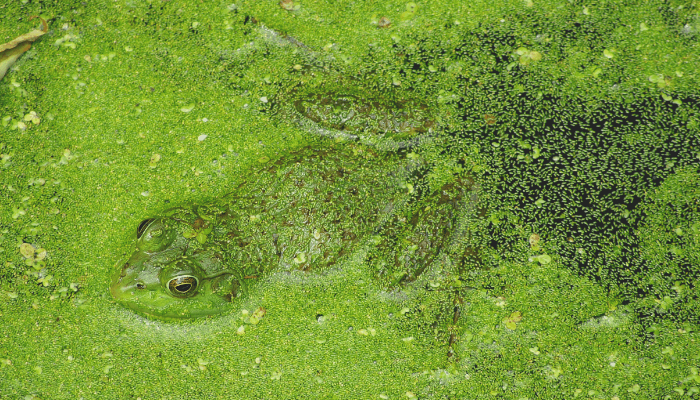
Your pool looks like a swamp and it might even smell like one.
What was once crystal-clear water is now a murky green soup that wouldn’t look out of place in a nature documentary. You can’t see the bottom. You’re pretty sure something’s living in there. And your neighbors are starting to notice.
Welcome to the algae club. Membership is involuntary, and the dues are paid in elbow grease and chlorine.
Here’s the good news: algae in your pool isn’t a death sentence. It’s fixable. Annoying? Absolutely. Time-consuming? You bet. But with the right approach, you can transform your backyard swamp back into swimmable water in about a week, sometimes less.
The bad news? Half the advice out there is either incomplete, outdated, or flat-out wrong. People will tell you to just “shock it” or “add more chlorine” like that’s some magic incantation. It’s not. Algae removal is a process, and if you skip steps, you’re wasting time and money.
Algae blooms happen for a reason. Poor circulation, low sanitizer levels, warm temperatures, debris buildup, or just plain neglect. Once algae takes hold, it multiplies fast. A light dusting can turn into a full-blown infestation in just 24 to 48 hours, especially during summer.
According to pool service data, over 60% of pool owners deal with algae at some point each season. You’re not alone. But the ones who handle it quickly and effectively all follow the same basic principles: test, shock, brush, filter, repeat.
This guide walks you through exactly how to clean a pool of algae, from light green tints to full-blown swamp status. We’ll cover what type of algae you’re dealing with, what products actually work, how to prevent it from coming back, and when to call in professionals because some battles aren’t worth fighting alone.
No fluff. No product shilling. Just the real process that actually clears algae, backed by chemistry and years of field experience.
Let’s get your pool back.
Key Takeaways
- Algae grows when sanitizer levels drop and circulation is poor
- Green algae is most common and easiest to treat
- Yellow and black algae are more resistant and require aggressive treatment
- Shocking the pool with high chlorine levels is essential but not sufficient alone
- Brushing breaks up algae colonies and exposes them to chemicals
- Continuous filtration and regular backwashing remove dead algae
- Natural pools use biological filtration instead of chemical shock treatments
- Prevention through proper water balance and circulation is easier than treatment
Build Pools That Don't Turn Green
Understanding Pool Algae: Types and Causes
Not all algae is created equal. What you’re dealing with determines how you fight it.
Green Algae
This is the most common culprit. It floats freely in the water, turning your pool anywhere from light green to dark swamp green depending on severity. Green algae is the easiest to kill but spreads fast if left unchecked.
Yellow (Mustard) Algae
Looks like pollen or sand settled on pool surfaces, usually in shaded areas. It’s chlorine-resistant and stubborn. Yellow algae clings to walls and floors, often returning even after treatment if you don’t get aggressive.
Black Algae
The boss level of pool algae. Black algae forms dark spots with protective layers that shield it from chlorine. It roots into porous surfaces like concrete and plaster, making it extremely difficult to eliminate without physical removal.
Pink Algae (Actually Bacteria)
Not technically algae but often grouped with it. Pink slime forms on pool surfaces, steps, and fittings. It’s more of a nuisance than a serious problem but needs addressing.
What Causes Algae Growth?
Algae needs three things to thrive: nutrients, warmth, and low sanitizer levels.
- Poor circulation creates dead zones where algae colonizes
- Low chlorine or inconsistent chemical balance
- Warm water (above 24°C) accelerates growth
- Debris and organic matter provide nutrients
- Sunlight fuels photosynthesis
- Rain and wind introduce spores
Most algae blooms happen because someone skipped a week of maintenance or went on holiday without adjusting chemical levels.
Step-by-Step: How to Clean a Pool of Algae
Here’s the battle plan. Follow it in order.
Step 1: Test Your Water
Before you throw chemicals at the problem, know what you’re working with. Test pH, alkalinity, and chlorine levels.
Target levels:
- pH: 7.2–7.6
- Alkalinity: 80–120 ppm
- Chlorine: 1–3 ppm (normal), but we’ll be shocking it much higher
If pH or alkalinity is off, adjust it first. Chlorine works best in balanced water.
Step 2: Clean the Pool of Debris
Skim leaves, twigs, and floating debris. Vacuum if you can see the bottom, but for heavily green pools, skip vacuuming initially as it just stirs things up. You’ll vacuum later once the water clears.
Step 3: Brush Everything Thoroughly
This is critical. Algae forms protective layers on surfaces. Brushing breaks these up and exposes algae to chemicals. Use a stiff brush for concrete/plaster pools, softer brushes for vinyl or fiberglass.
Brush walls, floors, steps, corners, behind ladders, everywhere. Spend at least 15–20 minutes on this. Yes, it’s tedious. Do it anyway.
Step 4: Shock the Pool (Heavy Chlorination)
“Shocking” means raising chlorine levels high enough to kill algae. For light green algae, you need to triple your normal shock dose. For dark green or black algae, you might need 10× the normal amount.
General shock guidelines:
- Light green: 900g–1.4kg chlorine shock per 50,000 litres
- Medium green: 1.8–2.7kg per 50,000 litres
- Dark green/black: 3.6–4.5kg per 50,000 litres
Use calcium hypochlorite (cal-hypo) shock for fastest results. Add it in the evening or at night to prevent sun from burning off the chlorine before it does its job.
Step 5: Run the Filter Continuously
After shocking, run your filter 24 hours a day until the water clears. This isn’t optional. Dead algae needs to be filtered out, and circulation ensures chlorine reaches every part of the pool.
Step 6: Backwash and Clean the Filter
As dead algae accumulates in your filter, pressure builds and efficiency drops. Backwash sand or DE filters daily. Clean cartridge filters every 1–2 days.
Expect to backwash multiple times during the treatment process. It’s annoying but necessary.
Step 7: Brush Again (and Again)
Brush the pool daily while treating. Each brushing session helps dislodge more algae and speeds up the process.
Step 8: Vacuum to Waste (If Possible)
Once you can see the bottom and most algae is dead (water turning from green to cloudy white), vacuum directly to waste if your system allows it. This removes dead algae without sending it through the filter.
If you can’t vacuum to waste, vacuum normally and backwash immediately after.
Step 9: Test and Balance Again
Once the water clears, test everything again. Adjust pH, alkalinity, and bring chlorine back to normal levels (1–3 ppm). Add algaecide as a preventative measure if desired.
How Long Does It Take to Clear Algae?
Depends on severity:
- Light green: 24–48 hours
- Medium green: 3–5 days
- Dark green: 5–7 days
- Black algae: 7–14 days (sometimes longer)
Patience is key. Trying to rush the process by swimming too early or stopping filtration prematurely will just prolong the problem.
Natural and Chemical-Free Alternatives
If you’re running a natural pool or want to avoid harsh chemicals, the approach is completely different.
Natural Pool Treatment
Natural pools rely on biological filtration through plants and beneficial bacteria rather than chlorine. If algae appears, it typically means nutrient imbalance or circulation issues.
Natural algae control methods:
- Increase water circulation through the regeneration zone
- Add beneficial bacteria to outcompete algae
- Remove excess nutrients with phosphate removers
- Introduce algae-eating organisms in the filtration area
- Trim back vegetation if it’s blocking flow
- Check pH (aim for 6.5–7.5 in natural systems)
Natural systems rarely see explosive algae blooms like chemical pools because the ecosystem is self-regulating. When problems do occur, they’re usually gradual and easier to correct.
Enzyme and Mineral-Based Treatments
Some pool owners use enzyme-based products that break down organic matter, starving algae of nutrients. Copper-based algaecides work too but must be dosed carefully to avoid staining.
UV and ozone systems also help by killing algae spores before they establish colonies, though they won’t clear an existing bloom alone.
Preventing Algae From Coming Back
Clearing algae once is an accomplishment. Not having to do it again? That’s mastery.
Maintain Proper Chlorine Levels
Algae can’t survive in properly chlorinated water. Test weekly and keep free chlorine at 1–3 ppm consistently. In hot weather or heavy use, test more frequently.
Run Your Pump Long Enough
Proper circulation prevents dead zones. Most pools need 8–12 hours of pump runtime daily in summer. Don’t skimp to save electricity; you’ll pay more fighting algae.
Brush Weekly
Even if your pool looks clean, brush walls and floors weekly. This prevents algae from establishing a foothold.
Shock Regularly
Shock your pool weekly during swimming season, more often if you have heavy bather loads or after rainstorms. This oxidizes organic matter before it becomes algae food.
Use a Pool Cover
Covers reduce sunlight, slow evaporation, and keep debris out. All of these help prevent algae growth.
Keep Water Balanced
pH, alkalinity, and calcium hardness all affect how well sanitizers work. Test and balance monthly at minimum.
When to Call a Professional
Some algae situations are beyond DIY:
- Black algae in plaster pools often requires acid washing or draining
- Persistent algae that returns within days of treatment may indicate structural issues
- Staining from metal algaecides or dead algae needs professional removal
- Equipment problems like broken pumps or filters must be fixed first
If you’ve followed the process correctly and algae keeps winning, don’t throw more money at chemicals. Get a professional diagnosis. Sometimes the pool needs resurfacing, better filtration, or equipment upgrades.
The Cost of Algae Treatment
Treating algae isn’t cheap:
- Chlorine shock: €30–€80 depending on severity
- Algaecide: €20–€50
- Increased electricity: €15–€30 from running pump 24/7
- Water replacement: €0–€150 if you need to drain and refill
- Professional service: €200–€500 for severe cases
Total DIY cost for a typical green algae outbreak: €80–€150. Professional treatment doubles or triples that.
Prevention, by comparison, costs maybe €30–€50 per month in regular chemicals and maintenance. Do the math.
Common Mistakes That Make Algae Worse
People mess this up all the time. Avoid these errors:
Not Brushing Enough
Chemicals alone won’t work if algae is protected by biofilm on surfaces. Brush. More than you think necessary.
Stopping Filtration Too Soon
The pool looks clear, so you turn off the filter to save electricity. Big mistake. Keep running until water is crystal clear and tests confirm proper chemistry.
Swimming Too Early
Chlorine levels immediately after shocking are dangerously high. Wait until levels drop below 5 ppm before anyone gets in. Patience.
Using the Wrong Algaecide
Copper-based algaecides can stain light-colored pools. Quaternary ammonium (quat) algaecides are safer for most surfaces.
Not Backwashing Enough
A clogged filter can’t remove algae. Backwash daily during treatment or your filter becomes a five-star hotel for dead algae.
Algae in Natural Pools vs Chemical Pools
Chemical pools fight algae through constant disinfection. Natural pools prevent it through balance.
In conventional pools, algae is the enemy. In natural pools, algae is just part of the ecosystem, kept in check by plants and bacteria. Occasional light algae on rocks or in regeneration zones isn’t a problem; it’s expected.
When algae does appear in swim zones of natural pools, it signals imbalance, not system failure. Usually, adjusting circulation or adding beneficial bacteria solves it within days, no shocking required.
The trade-off? Natural pools need more space for filtration zones and may never achieve the sterile clarity of chemical pools. But they also don’t turn into green swamps if you skip a week of maintenance.
Conclusion
Cleaning a pool of algae isn’t magic. It’s a process. Test, balance, shock, brush, filter, repeat. Follow the steps, don’t skip any, and be patient. Within a week, sometimes sooner, your swamp will transform back into the pool you remember.
But here’s the real lesson: algae isn’t the problem. Neglect is. Poor circulation is. Inconsistent sanitation is. Algae is just the symptom of those failures, a bright green reminder that pools require regular attention.
If you’re tired of fighting chemistry and would rather work with nature than against it, natural pools offer a different path. No shock treatments. No chlorine battles. Just balanced ecosystems that stay clear because they’re designed that way from the beginning.
At Oásis Biosistema, we specialize in natural pool systems that prevent algae biologically rather than chemically. Whether you’re building new or converting an existing pool, we can design a system that works with your climate, your space, and your maintenance style.
Because the best pool isn’t just clean. It’s self-sustaining.
FAQ
How do I get rid of algae in my pool fast?
To remove pool algae fast, brush all surfaces thoroughly, shock the pool with chlorine, and run the filter continuously. Balance pH before shocking for best results. Use an algaecide if needed and clean the filter frequently to remove dead algae quickly.
Will chlorine kill pool algae?
Yes, chlorine kills pool algae when used at the correct shock level. Proper chlorine concentration breaks down algae cells and prevents regrowth. However, chlorine works best when pH is balanced and circulation is strong, ensuring the sanitizer reaches all areas of the pool.
How long does it take to clear algae from a pool?
Clearing algae from a pool typically takes 24 to 72 hours, depending on severity. Light algae may clear within a day, while heavy blooms can take several days of brushing, shocking, filtering, and cleaning the filter to fully restore clear water.
How to get algae off the bottom of a pool without a vacuum?
To remove algae without a vacuum, brush the pool floor toward the main drain, then run the filter continuously. You can also use a leaf net to scoop debris. Brushing combined with proper chlorine levels helps break up algae so it can be filtered out.