
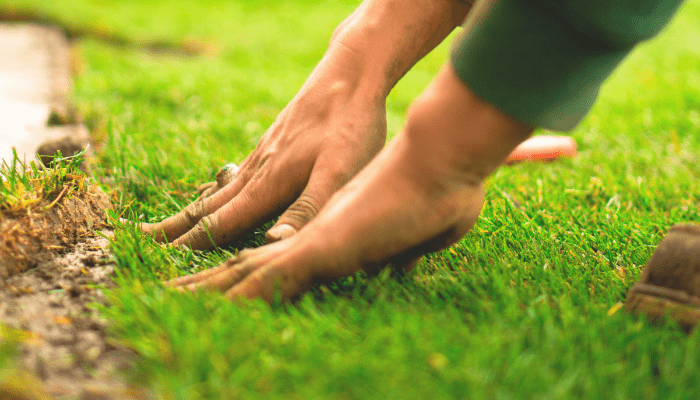
Weeding and feeding a lawn isn’t complicated but getting it right does take some timing and care. The idea behind “weed and feed” products is simple: remove unwanted weeds while giving your grass the nutrients it needs to grow stronger and greener. It sounds efficient, and when applied properly, it can be.
But like most things in gardening, success depends on how and when you use it. Apply it too early, and you risk wasting the product. Apply it too late, and you might stress your grass or miss the window for weed control. This guide breaks down exactly how to approach weeding and feeding your lawn including when to do it, how to apply it, and what to avoid, so your lawn gets the most benefit with the least effort.
Key Takeaways
- Weed and feed products combine herbicide and fertiliser for efficient lawn care
- Spring is the best time to apply in most parts of Portugal
- Timing, weather, and lawn condition all affect the results
- Apply to damp grass, avoid watering after, and keep off the lawn for 24 to 48 hours
- Choose granular for ease, or liquid for faster, targeted control
- Avoid common mistakes like overapplying or using in high heat
- Alternatives include separate fertilisers, spot weeding, and organic lawn care
- Healthy lawn habits like proper mowing, watering, and aeration support long-term results
Perfect Softscaping for Your Private Oasis
What Is “Weed and Feed” and How Does It Work?
“Weed and feed” is a convenient term for a product that combines a selective herbicide with a fertiliser. The herbicide targets common broadleaf weeds like dandelions, clover, and plantain, while the fertiliser strengthens your grass by adding nitrogen and other nutrients.
The idea is that a stronger, healthier lawn can naturally outcompete weeds. But the effectiveness of these products depends heavily on how and when you apply them. If your timing is off, you may damage your lawn or waste the product altogether.
Most weed and feed products are either granular or liquid. Granular types are spread across the lawn using a broadcaster or handheld spreader, while liquid versions are usually sprayed and absorbed more quickly. Both work well, but each has its strengths depending on your lawn type and comfort with the application process.
When to Weed and Feed Your Lawn
Timing is one of the most important factors. In Portugal, the best time to apply weed and feed is typically in early spring, once temperatures rise and your grass begins growing actively. This usually happens between March and early May, depending on the region.
If your lawn still looks dormant or has large patches of dead grass, it’s better to wait. Applying weed and feed too early, especially when the soil is still cold, won’t help much and it might even stress the grass.
Avoid applying it during summer heatwaves, as the fertiliser component can scorch the grass. Autumn can be another good opportunity, particularly if you’re dealing with persistent weeds and want to give your lawn a nutrient boost before winter. Just make sure there’s still enough warmth for the fertiliser to be absorbed and for the grass to respond.
Signs Your Lawn Needs Weeding and Feeding
You don’t always need weed and feed, but when you do, the signs are usually clear:
- Grass looks patchy, pale, or uneven
- You’re seeing weeds spread faster than grass
- The lawn feels thin and soft underfoot
- There’s moss growing in shaded areas
- You haven’t fertilised or treated it in over six months
If you spot these issues, it’s worth checking soil conditions and grass type before applying anything. Sometimes, improving aeration or adjusting mowing height is just as important as chemical treatments.
How to Apply Weed and Feed (Step-by-Step)
Applying weed and feed properly makes all the difference. Here’s a straightforward routine:
- Mow your lawn 1–2 days before applying weed and feed. This exposes weed leaves and helps the product stick.
- Apply when the grass is slightly damp, either from dew or light watering. This helps the granules stick to weeds.
- Spread evenly using a calibrated spreader if you’re using granular products. Avoid overlaps or missed areas.
- Do not water the lawn for at least 24 to 48 hours after application. The herbicide needs time to be absorbed.
- Keep pets and people off the lawn until the product is fully dry or absorbed.
- Reseed bare spots a few weeks later if needed, once weeds die off and grass starts filling in.
Always follow the instructions on the product label, especially when using concentrated liquids.
Liquid vs. Granular Weed and Feed
There’s no one-size-fits-all answer here. Both types work, and the right choice depends on your lawn and your tools.
- Granular: Easier for large areas, long-lasting, lower chance of overapplication.
- Liquid: Fast-acting, more targeted, but requires careful mixing and even spraying.
If you’re new to lawn care, granular is usually easier to manage. But if you’ve got a small lawn with specific weed patches, a liquid spot-treatment may be more efficient.
Common Mistakes to Avoid
Weed and feed is easy to apply and even easier to misuse. Avoid these common errors:
- Applying too early in spring, when grass isn’t actively growing
- Using it in high summer temperatures, which can burn the lawn
- Overlapping applications, leading to fertiliser burn or herbicide overload
- Using the wrong product for your grass type or region
- Applying before rain, which washes it away before it’s absorbed
- Expecting instant results. Most improvements happen over 2 to 4 weeks
Also, avoid applying it right before reseeding. Most weed killers can prevent grass seeds from germinating properly. Wait at least 2–3 weeks after application before seeding any new areas.
Alternatives to Weed and Feed
If you prefer to avoid combination products, you can take a more tailored approach:
- Apply a fertiliser suited to your soil and grass type
- Use a selective herbicide only where needed
- Improve your lawn’s health with regular aeration and mowing
- Manually pull weeds or use flame weeding for spot control
- Mulch your clippings to return nutrients naturally
- Choose grass alternatives or native ground covers in low-traffic zones
This approach takes a bit more time, but it often results in a healthier, more balanced lawn, especially if you’re looking for lower-maintenance solutions in the long run.
Other Ways to Support a Healthy Lawn
Beyond weed and feed, here are a few small things that make a big impact:
- Water deeply and less often, ideally in the morning
- Raise your mowing height slightly to shade out weeds
- Test your soil every 1–2 years to understand pH and nutrient levels
- Use compost or organic fertilisers in spring and autumn
- Watch for compacted soil, especially in high-traffic areas, and aerate if needed
Over time, these habits do more for lawn health than any single product.
Conclusion
Weeding and feeding your lawn can be an effective way to improve its health and appearance, as long as it’s done with the right product, at the right time. A well-timed application supports healthy growth, reduces weed competition, and helps build a stronger, more resilient lawn over time.
That said, if your outdoor space needs more than a seasonal treatment, you might be looking at a bigger-picture project. At Oásis Biosistema, we design complete, sustainable landscapes that go beyond lawn care, whether you’re rethinking your garden layout, looking for lower-maintenance options, or planning a full redesign. If you’re ready to turn your outdoor area into something more functional and enjoyable, get in touch with our team to start the conversation.