Sustainability is about systems. Environmentalism is about survival.
People use the words “sustainability” and “environmental” like they’re twins. Interchangeable. Identical. Synonymous.
They’re not.
And this confusion isn’t just academic. It shapes the way we build, grow, invest, legislate, and design the future. When someone says “we need a more sustainable solution,” what exactly do they mean? Climate action? Circular economies? Greener packaging? Or just less plastic straws and a recycled logo?
This matters.
If you work with land, design, education, architecture, policy, or community systems, understanding the difference isn’t optional. It’s fundamental. Knowing where sustainability ends and environmental thinking begins can change your entire approach to impact, and whether that impact sticks.
In this post, we’re not just defining the terms. We’re unpacking the tension, the overlap, and the opportunity. Plus, how to use them intentionally to design better, not just speak better.
Let’s get into it. Clarity first. Action after.
Key Takeaways
- Sustainability is systems-based and includes environment, society, and economy
- Environmental thinking focuses on nature, ecosystems, and ecological protection
- Sustainability is proactive and holistic; environmentalism is often reactive and focused
- Both are essential, but using the right term leads to better decisions and long-term outcomes
- “Green” or “eco” isn’t enough, fully regenerative design goes further
- Oásis Biosistema uses both frameworks to design living, lasting systems that work with nature
What Is Sustainability?
Sustainability isn’t just about saving trees. Or recycling bottles. Or offsetting guilt with carbon credits.
It’s a systems concept. Sustainability is the ability of a system: ecological, social, and economic, to maintain its function over time. Without burning out. Without extraction that exceeds renewal. Without collapsing in on itself.
It’s long-term thinking, baked into design, decision-making, and infrastructure. That means when we talk about sustainable cities, sustainable food, or sustainable landscapes, we’re talking about resilient systems that regenerate themselves, adapt to change, and support life across generations.
It’s also inherently multidisciplinary. Sustainability includes social equity, economic viability, and environmental care. All three. Not one at the cost of the others.
If you’re only protecting the planet but ignoring people or ignoring access? That’s not sustainable. That’s environmentalism in a vacuum. And we’ve seen where that leads: short-term wins, long-term imbalance.
Sustainability asks: Can this thing keep going? For everyone?
What Does “Environmental” Really Mean?
Now let’s zoom in.
Environmental thinking is rooted in nature. In ecosystems. In the raw materials of life: water, air, soil, species.
It’s about protecting the physical world from pollution, deforestation, species extinction, habitat collapse. The environmental lens focuses on the health of the biosphere.
And it’s powerful. It’s essential. Environmentalism gave us conservation areas, emissions laws, biodiversity policies. It gave us awareness. Urgency. A deep connection to the idea that the planet matters, and that we’re part of it, not separate.
But here’s the catch: environmentalism doesn’t always account for systems. Or people. Or economics. You can ban plastic straws while still extracting sand unsustainably. You can save one species while destroying the wetland it lives in with monoculture plantings.
Environmental thinking is a vital input, but not the whole framework.
Sustainability vs Environmental: What’s the Actual Difference?
It comes down to scope.
Environmental = focused on natural systems.
Sustainability = focused on systems that last.
That includes the environment, but also how people live, how resources flow, how economies function, and whether those systems are resilient over time.
Here’s another way to look at it:
- Environmental efforts are often reactive. Clean this river. Stop that pollution. Protect that species.
- Sustainability is proactive. It designs processes that don’t produce pollution to begin with. It integrates purpose from the start, not patches it later.
Both approaches matter. But one sees the full forest, and the community living next to it, the infrastructure supporting it, and the culture shaping how it’s used.
Why This Distinction Matters in the Real World
Words guide action.
When you mistake environmentalism for sustainability, you risk focusing on surface-level fixes. Low-impact wins that don’t change the system.
Let’s be honest. “Green” has been overused. It’s lost meaning. It’s on packaging, buildings, policies, websites. But what does it actually do?
Sustainability demands more rigor. It pushes for structure, not slogans.
If you’re designing a garden, it’s not just about using native plants. It’s about how the system manages water, supports pollinators, reduces inputs, engages the community, and maintains itself over time.
If you’re developing property, it’s not enough to say “eco-friendly.” Ask: How does this place function 10 years from now? What cycles are we supporting or breaking?
The words you use set the standard. Choose the right one, and your projects can move from “less bad” to truly regenerative.
How These Concepts Work Together in Practice
This isn’t a competition.
Environmental thinking and sustainability work best when paired. One focuses on immediate needs like clean water, healthy air, or thriving species. The other ensures that the solutions last and scale.
Example?
You can build a solar farm. Great! That’s a sustainability win, right?
Only if it doesn’t require massive deforestation, disrupt a local ecosystem, and get built using exploited labor. Otherwise, it’s just a shiny bandaid.
You can restore a forest. That’s an environmental action. But without community engagement or economic access, it might fail within years.
The real work? Integrating environmental wisdom into sustainable systems. That’s where real resilience lives.
Common Misconceptions to Avoid
Time to clean up the language a bit.
- Sustainability ≠ just “green”. A sustainable business might be digital, systemic, or social, not nature-based.
- Environmental doesn’t mean anti-development. It means development done with awareness and limits.
- Eco-friendly ≠ impact-free. A bamboo toothbrush still took land, water, labor, and energy.
- Natural isn’t always sustainable. Some “natural” materials have massive carbon footprints or social consequences.
Let’s be precise. Let’s be intentional. Language matters more than ever.
Where Oásis Biosistema Stands
At Oásis Biosistema, we live in the middle of this conversation and we use it to build better systems.
We don’t just design for the environment. We design for long-term ecological balance, social engagement, and regenerative outcomes. That means we think in cycles, flows, and relationships, not products or projects.
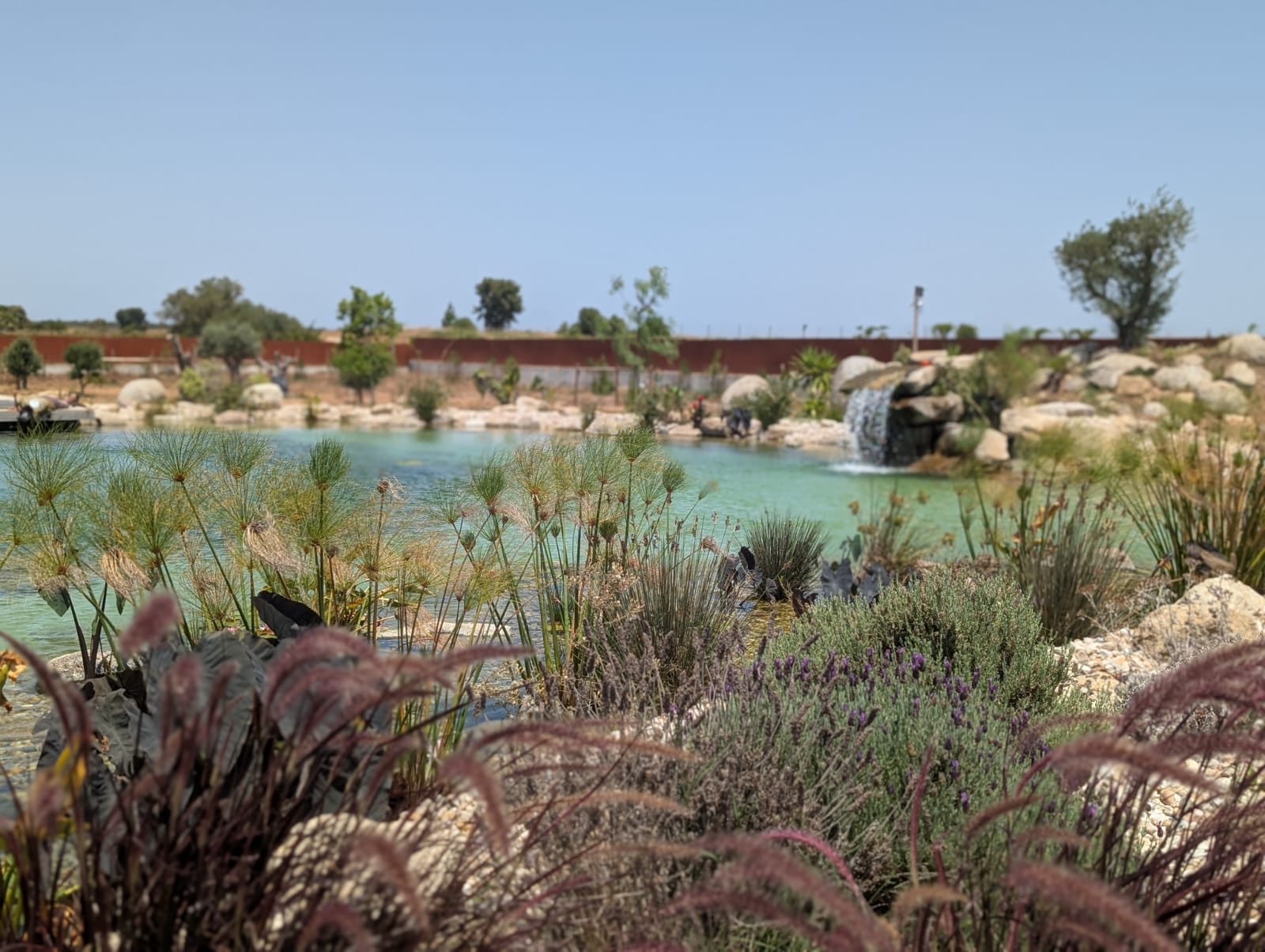
Whether we’re building a natural pool, designing a food forest, or restoring a degraded landscape, our work is grounded in systems that work for the land and the people who live with it.
We use environmental knowledge to inform design. But we use sustainability frameworks to make sure those designs last.
That’s the difference. And that’s the opportunity.
Conclusion
Words shape thinking. And thinking shapes systems.
“Sustainable” without substance is just a trend. “Environmental” without systems is just a reaction. But when you understand the difference, and design with both in mind, you unlock something powerful.
You move from green gestures to real, regenerative strategy.
At Oásis Biosistema, this is exactly what we do. We don’t just design with the environment in mind. We build systems that last. Projects that balance ecology, culture, and circular thinking, not just because it looks good, but because it works.
If you’re ready to go beyond buzzwords and into meaningful, resilient design, let’s talk.
Explore how we integrate sustainability and environmental intelligence into every project.
FAQ
What is the difference between environmental impact and sustainability?
Environmental impact measures the direct effects of human activities on nature, such as pollution, resource use, and habitat damage. Sustainability is broader and focuses on meeting current needs without harming future generations, balancing environmental protection with economic viability and social responsibility over the long term.
Is environmental part of sustainability?
Yes, the environment is a core pillar of sustainability. Sustainability is typically built on three pillars: environmental, social, and economic. The environmental pillar focuses on protecting natural resources, ecosystems, and biodiversity to ensure long-term ecological balance and support human life and development.
What is the relationship between sustainability and environment?
The environment is the foundation of sustainability because healthy ecosystems support life, economies, and societies. Sustainability aims to reduce environmental harm while using resources responsibly. Protecting the environment ensures long-term stability, resilience, and the ability for future generations to thrive.
What is the difference between environmentally friendly and sustainable?
Environmentally friendly refers to products or actions that reduce immediate harm to nature. Sustainable goes further by considering long-term environmental, social, and economic impacts. A product can be eco-friendly but not sustainable if it still relies on practices that aren’t viable over time.