
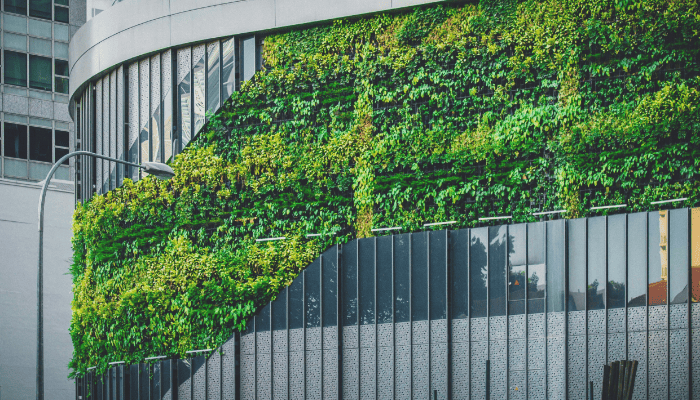
Buildings are responsible for nearly 40 % of global energy‑related carbon emissions. That figure is not just a statistic. It’s a call to action.
At Oásis Biosistema, we believe architecture must do more than shelter. It must serve the planet, as well as the people within.
Imagine your next project not only accentuating form and function but actively reducing its ecological footprint.
That’s what happens when sustainability meets architecture: design with purpose.
We’re talking about using site‑specific strategies, material choices that matter, and systems that work with nature rather than against it.
From natural pools to eco‑landscape integration, we’ve witnessed how smart architecture transforms outdoor environments, making them healthier, more comfortable, and beautiful.
In this post you’ll discover how to apply these principles to your next build or renovation.
No fluff. No over‑promising. Just practical, impactful ideas you can act on.
Let’s shift the paradigm from buildings that cost the earth to structures that respect it.
Key Takeaways
- Sustainable architecture starts with intentional, site-sensitive design
- Passive design strategies reduce energy consumption and boost comfort
- Using local and regenerative materials lowers environmental impact
- Water-efficient landscaping and natural pools cut waste and chemicals
- Biodiverse designs create healthier, more resilient ecosystems
- Architecture and landscape design must be integrated from day one
- Sustainable projects often cost less to operate and maintain over time
Build With Nature, Not Against It
What Is Sustainable Architecture Really About?
Sustainable architecture isn’t just about solar panels or swapping concrete for bamboo. It’s about asking better questions before we even begin to build.
What does the land need?
What will this space demand over the next 30 years?
And most importantly: how do we design buildings and landscapes that live with nature, not on top of it?
At its core, sustainable architecture is the practice of designing and constructing buildings that reduce environmental impact through thoughtful use of energy, water, materials, and land. It’s architecture that’s smart. Responsive. Alive, in a way.
You’ll hear phrases like passive solar design, low-impact materials, or biophilic integration tossed around. But here’s the truth: it doesn’t need to be complicated. It just needs to be intentional.
And that’s exactly the mindset we bring to every project at Oásis Biosistema. Whether we’re designing natural pools or entire eco-landscapes, we treat sustainability as the foundation, not an afterthought.
Why It Matters More Than Ever
The built environment is responsible for a shocking 40% of global energy-related carbon emissions. That’s not a side issue, it’s the main event.
And we’re not just talking about big city skyscrapers. Private gardens, backyard pools, terraces, outbuildings, they all contribute. That’s why, at Oásis Biosistema, we focus not just on architectural sustainability, but on the transformation of outdoor spaces through smart, natural systems.
Here’s what sustainable architecture offers:
- Lower energy bills (yes, please)
- Better indoor and outdoor air quality
- Longer-lasting materials
- Happier, healthier living environments
- Greater property value with smaller environmental cost
You don’t have to save the world in a day. But you can start by designing a space that doesn’t quietly hurt it.
5 Strategies That Actually Work
Forget buzzwords. Here are practical strategies we use in the real world on real homes, landscapes, and living environments.
1. Passive Design
Let your building do the heavy lifting. Orient it to catch the winter sun and avoid the summer blaze. Open it up for natural cross-ventilation. Shade the right areas. Insulate what matters. At Oásis Biosistema, we design outdoor structures and living spaces that breathe with the seasons, not against them.
2. Local & Regenerative Materials
We source as much as possible from what’s already there. Portuguese stone. Native plants. Sustainable woods. Why import exotic species when your landscape is already full of character? Regenerative design doesn’t just minimize harm, it actively restores local ecosystems.
3. Water-Efficient Landscapes
A lush garden doesn’t need to guzzle water. Our jardins de luxo are designed to thrive with minimal irrigation. We group plants with similar needs, use natural filtration, and build water-conscious features like lagos ornamentais that recycle and reuse.
4. Energy Integration Without the Tech Overload
Sure, solar panels are great. But sustainability starts before the tech goes in. A well-positioned pergola can reduce heat load more effectively than a thousand euros in cooling bills. A shade tree? Nature’s original climate control. We don’t over-design, we design smart.
5. Biodiversity Boosters
We don’t just create spaces for people. We create ecosystems. Native insects, pollinators, birds, aquatic life. All supported by our nature-based systems like natural swimming pools that work without chemicals, and gardens that bloom without constant interference.
How Landscape Design and Architecture Work Together
Most people think of architecture as walls and roofs. But what about what happens outside? That’s where we come in.
At Oásis Biosistema, we blur the line between indoor and outdoor living. We treat your garden as an extension of your home, and your pool as part of the environment, not an isolated installation.
Our holistic approach considers:
- How sunlight moves across your site
- How water flows (or floods) through the space
- Where people actually want to be throughout the day
- How to make nature comfortable without flattening it into submission
The result? Spaces that feel natural, even when they’re beautifully designed.
Extra Tips for Making Your Project More Sustainable
Want to take things further? Here are bonus strategies we use in our own projects:
- Start with the soil: Healthy soil retains water, supports plant growth, and stores carbon. Don’t strip it. Build it.
- Ditch monocultures: Variety is not just pretty, it’s practical. It builds resilience against pests and extreme weather.
- Think in zones: Group plants and functions by how often you use them. Closest to the house? Your herb garden. Furthest away? Wild meadow.
- Prioritize durability over trends: Choose materials that last, not ones that look good for one summer and fall apart by winter.
- Reuse existing elements: That old stone wall? Keep it. Reclaim. Reuse. Reinvent.
The Cost Myth
Let’s tackle this head-on: sustainable design doesn’t have to cost more.
In fact, it often costs less in the long run. Lower maintenance. Fewer replacements. No chemicals. Lower water bills. Higher comfort levels with lower energy use.
Is there an upfront investment? Sure. But unlike that trendy water feature that cracks every five years, a well-designed eco-pool or regenerative garden adds value that doesn’t fade.
And with rising demand for sustainable homes, you’re not just investing in your wellbeing, you’re investing in future-proof property.
Conclusion
Sustainability and architecture aren’t just compatible, they’re inseparable in any forward-thinking design.
At Oásis Biosistema, we’ve built our entire approach on that principle: crafting outdoor spaces that are as efficient and regenerative as they are beautiful. From eco-landscapes to natural pools and bioclimatic architecture, the solutions are already here, and they work.
We’ve shared practical strategies you can apply today. But the real transformation starts when those ideas turn into action.
If you’re ready to bring sustainability into your next project without compromising on aesthetics or comfort, we’d love to help. Explore how we design and build with nature at the core by visiting our website and discovering what’s possible when architecture meets ecology.
Let’s create a space that works with the environment, not against it.
FAQ
What is sustainability in architecture?
Sustainability in architecture focuses on designing buildings that use resources efficiently, reduce environmental impact, and promote long-term well-being. It includes choosing low-carbon materials, improving energy efficiency, maximizing natural light and ventilation, and creating healthier indoor environments. The goal is to balance performance, comfort, and environmental responsibility throughout a building’s lifecycle.
What are the 7 pillars of sustainability?
The 7 pillars of sustainability are: environmental protection, economic stability, social equity, cultural preservation, technological innovation, institutional governance, and individual responsibility. Together, they ensure development that benefits both people and the planet. These pillars guide decisions that prioritize ecological balance, community wellbeing, and long-term resource management.
What is ESG in architecture?
ESG in architecture refers to Environmental, Social, and Governance standards that guide responsible building and design practices. It evaluates energy use, carbon footprint, material sourcing, accessibility, health impacts, and ethical project management. Applying ESG principles helps firms create buildings that are sustainable, socially inclusive, transparent, and aligned with global climate goals.
What are the three key principles of sustainable architecture?
The three key principles of sustainable architecture are energy efficiency, responsible material use, and environmental integration. This means reducing energy consumption, choosing durable and low-impact materials, and designing buildings that work with their surroundings. These principles create healthier spaces, lower operating costs, and reduce the overall carbon footprint.