“First impressions happen in under 7 seconds,” says every marketing expert ever. Your front yard? It’s your home’s handshake. A weak one says “I didn’t try.” A strong one says “Welcome, I’ve got my life together.” And no, you don’t need a landscaping degree to pull it off.
The truth is, most front yards waste their potential. They’re empty, flat, or awkwardly planted. They might have nice grass but nothing else to draw the eye. That’s like wearing a tailored suit with flip-flops. You can do better.
A well-designed front yard doesn’t just look good. It adds curb appeal. It makes your home more inviting. And it can boost property value. That’s not just a bonus, that’s a return on investment you can measure.
Start with analysis. Walk outside and really look. Where does the sun hit? Where does it hide? Where does water sit after rain? These are clues.
Then, think function before form. Do you want a straight shot to the door or a meandering path? Are you going for grand and formal, or relaxed and natural? Get this wrong, and no amount of flowers will save it.
Consider the style of your house. Modern lines? They pair with architectural plants and minimal clutter. Cottage charm? It needs curves, color, and layers. You’re not just planting, you’re styling.
And here’s a secret: you don’t have to fill every inch. Empty space can be a design choice. It gives the eye somewhere to rest. It also makes maintenance easier.
Mix structure with softness. Hardscaping gives direction. Plants add life. Lighting ties it together. Ignore one, and the design feels incomplete.
This isn’t about throwing money at the yard. It’s about smart choices. Choosing plants that thrive in your climate. Using repetition for flow. Scaling elements to fit your space.
Get those right, and you’ll have a front yard that works year-round. One that makes guests linger at the gate. One that makes you smile when you pull in the driveway. And yes, one that makes the neighbors just a little jealous.
Upgrade Your Front Yard
Key Takeaways
- Front yard design impacts curb appeal, usability, and home value.
- Study your space. Study light, soil, slopes, and existing features before you start.
- Match style to your home for a cohesive look.
- Combine hardscaping and planting for structure and softness.
- Choose native or climate-appropriate plants to save water and reduce upkeep.
- Avoid clutter and scale mismatches in planting design.
- Add focal points to break up empty lawn space.
- Layer plantings or use screens for privacy without closing off the yard.
- Plan in phases for better budget and workflow control.
- Make sure your final design is realistic to maintain year-round.
Assessing Your Front Yard
Before you plant a single flower or buy that trendy garden sculpture, stop and study what you’re working with. Grab a notebook, tape measure, and camera. Walk around your property at different times of day. Look at how the sunlight shifts. Notice where water collects after rain. Garden Design recommends mapping existing features like trees, slopes, driveways before making big changes.
Think about how you want to use the space. Do you want guests to walk straight to the door or wander through a garden path? Do you want bold, colorful plantings that change with the seasons, or a calm, evergreen look? How much maintenance are you really willing to do? Your goals and your reality should match.
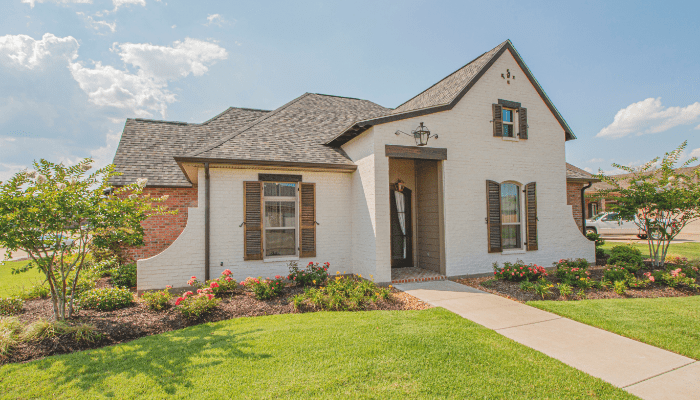
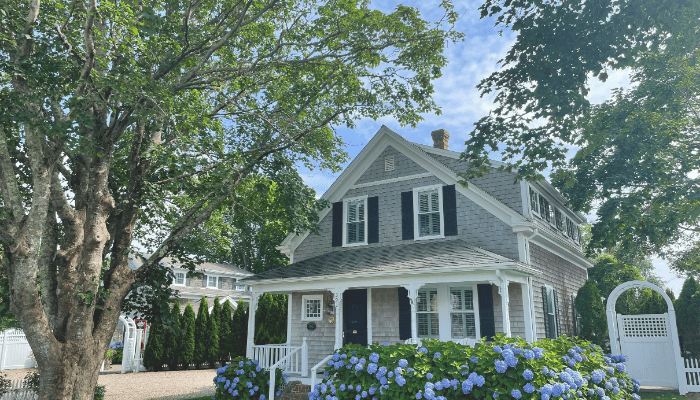
Match the scale of your landscape to the style of your home. The cottage looks charming with curved flower beds and climbing roses. A modern home shines with structured plantings and clean lines. Get this wrong, and the design will always feel off, no matter how much money you spend.
Choosing a Style That Fits
Style is more than what you like. It’s about what fits your house, climate, and lifestyle. If you love order and symmetry, a formal front yard might be your match. Think hedges, topiary, and straight paths leading to the front door. The look is timeless, but it requires regular pruning to stay sharp.
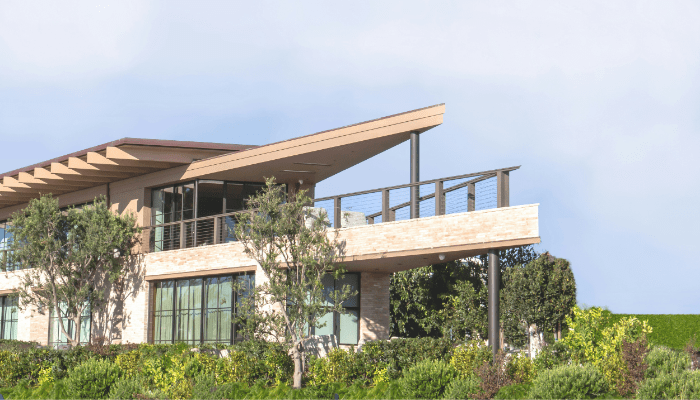
For a modern approach, go for geometric shapes, architectural plants, and neutral hardscaping. Homes & Gardens suggests using lighting to highlight texture and form at night. Minimal planting, big impact.
If you want something more relaxed, try a natural or native garden. These designs work with the local environment, not against it. They attract pollinators, save water, and reduce maintenance. Better Homes & Gardens has excellent guidance on matching plants to your region.
Layered designs combine the best of all worlds: structure from hardscaping, softness from plants, and visual depth from varying heights and textures. They’re versatile and work with almost any style of house.

Balancing Hardscaping and Planting
A great front yard isn’t just plants. Hardscaping paths, walls, fences, or patios creates structure and guides movement. Without it, even the most beautiful plantings can look like they’re floating in space. Wikipedia covers the basics of materials, from stone and brick to gravel and concrete.
Planting is the counterbalance. It softens the hard edges and adds life. Group plants in odd numbers for a natural look. Layer by height, with taller plants in back and shorter ones up front. Repeat colors and textures to create rhythm.
Don’t forget seasonal interest. Combine evergreens with perennials and annuals so the yard looks good year-round. And if water is an issue, choose drought-tolerant plants and consider a rain garden for low spots. Sustainable landscaping practices can save money and resources while keeping your yard vibrant.
Avoiding Common Design Missteps
The easiest mistake? A flat expanse of lawn with nothing to break it up. It’s dull and doesn’t make the best use of your space. Add focal points like ornamental trees, large planters, or a pathway to create visual interest. The Spruce warns against letting your yard feel empty or uninviting.
Another pitfall is plant overload. Too many types in one space can look chaotic. Pick a palette and stick to it. Repetition creates cohesion and makes your design look intentional.
Scale is everything. Oversized shrubs can block windows or overwhelm a small facade. On the other hand, tiny plants in a large space can feel lost. Match plant size to the scale of your home and front yard.
Privacy is often overlooked. Layered plantings, decorative fences, or trellises with vines can give you seclusion without making the front yard feel closed off. Livingetc has clever ideas for blending beauty with privacy.
Design & Implementation Workflow
Start with a sketch. It doesn’t have to be fancy, a rough outline on paper is enough to plan your layout. Tools like SmartDraw can help if you want something more precise.
Make a wish list of features. A seating area, a winding path, raised beds, or lighting can all change the feel of the space.
Choose plants that will thrive where you put them. Match them to sunlight, soil type, and moisture levels. Group plants with similar needs together so watering and maintenance are easier.
Test ideas on a small scale before committing. A cluster of pots or a single planting bed can show you how colors and textures work together.
Phase your build if needed. Start with hardscaping, then move on to larger plantings, and finish with groundcovers or annuals.
Plan for maintenance from day one. That lush perennial border might look incredible in a photo, but if it needs weekly pruning and daily watering, it might not be right for you.
Conclusion
Your front yard is the first chapter of your home’s story. It sets the tone. It frames everything else. And unlike the inside, everyone sees it. That’s your stage.
Good design starts with a plan. You’ve got the tools now. You know to measure, observe, and match design to architecture. You know the value of layering plants, adding structure, and leaving breathing room.
Don’t copy the neighbor’s layout just because it looks “fine.” Your yard deserves better than fine. Fine is forgettable. Go for something memorable. Go for something that feels like you.
Prioritize function. If the path to the door is awkward, fix that before planting roses. If drainage is poor, address it before adding sod. Pretty doesn’t last if the foundation is wrong.
Choose plants with intention. Group them by water and sun needs. Repeat colors and shapes for visual harmony. Think about winter interest, not just summer blooms.
Balance hardscape and planting. Too much concrete feels cold. Too much planting without structure feels messy. Strike the balance, and you’ve got elegance and order in one.
Remember privacy. You don’t have to wall yourself in, but a few well-placed shrubs or a trellis can make the space feel intimate without being closed off.
Be realistic about maintenance. If you hate pruning, skip the hedges. If you travel often, opt for drought-tolerant choices. Design isn’t just about how it looks. It’s about how it lives.
Start small if you need to. One new bed. A path. Lighting along the walkway. These are upgrades that can grow over time.
Most importantly, make it enjoyable. You’re creating a space you’ll see every single day. A space that greets you when you get home. A space that tells visitors, “Someone cares here.”
Because when you step back and see a front yard that’s not just tidy, but designed with thought and personality, it changes how you feel about your home. And that’s worth more than any real estate listing will ever capture.
Want a front yard that turns heads and works year-round? Get a custom quote from our landscape team and make the most of your outdoor space.
FAQ
How do I design my front yard?
Plan around a focal point like a tree or entryway. Balance hardscape and plants, use layered planting for depth, and add paths and lighting for function and curb appeal.
What is the most low maintenance landscaping for front yard?
Use native plants, drought-tolerant species, mulch for weed control, and small lawn areas to cut watering and upkeep needs.
What are the 7 principles of landscape design with examples?
Unity, balance, proportion, rhythm, contrast, simplicity, and transition. Example: Repeat plant colors (rhythm) and balance tall trees with low shrubs (proportion).
Is there an app to plan landscaping?
Yes. Tools like iScape, Home Outside, and Yardzen let you design and visualize landscaping on your phone or tablet.