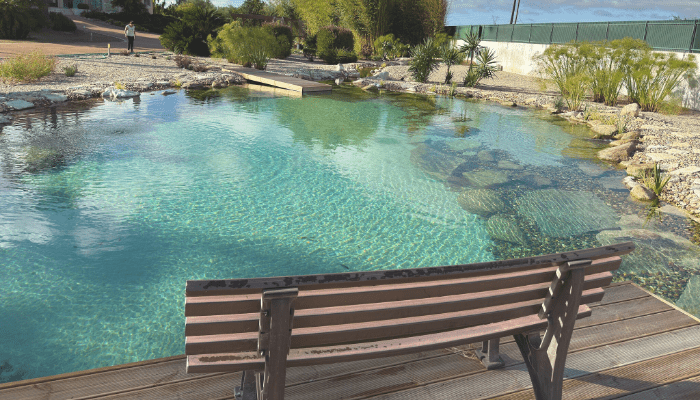
Water is the mirror of the soul, or so they say. In your garden, it can also be the most beautiful focal point you’ve ever built.
Ornamental lakes aren’t just for luxury estates or million-dollar landscaping projects. Far from it. With a bit of planning and the right materials, you can build a stunning, functional water feature in your backyard, courtyard, or even on a modest balcony. No bulldozers. No permits. No drama.
Interest in ornamental ponds has exploded. According to Google Trends, searches for DIY garden lakes have surged over 70% in the past two years. People want nature without leaving home. And let’s be honest, a pond is more calming than doom-scrolling or binge-watching whatever show everyone pretends to love.
In this guide, I’ll walk you through the real step-by-step process. What works. What doesn’t. What’s worth your money and what’s just marketing fluff. No filler, just practical advice from the trenches (and yes, we’ll be digging).
So, grab your gloves. It’s time to turn that patch of dirt into a peaceful oasis, or into something that makes your neighbor lean over the fence and go, “Whoa, you built that?”
Key Takeaways
- Choose a balanced location with both sun and shade
- Use a durable pond liner and proper underlayment
- Dig shelves at multiple depths for plants and structure
- Install a pump and filter to keep the water clean
- Use plants to add beauty and natural filtration
- Avoid placing ponds near trees or low-lying areas
- Design with texture, layers, and asymmetry for a natural look
- Perform simple maintenance weekly and seasonally
- Don’t overstock with fish or skip essential equipment
- Even small spaces can host a beautiful, functional pond
Planning: Before You Dig
Before you pick up a shovel, take a breath. Most pond disasters start before the first drop of water even hits the liner.
Start with location. Choose a spot that gets a balance of sun and shade about 4 to 6 hours of sun is ideal. Too much shade and your plants won’t thrive. Too much sun and you’ll have a glorious algae farm by week two. Trust me, no one wants a green soup where a pond should be.
Avoid putting your pond too close to trees. Falling leaves clog filters, roots can puncture liners, and let’s be real: you don’t want to spend every weekend scooping sludge. Pick a level spot. It saves you digging and keeps your waterline from looking wonky.
Size? Think Goldilocks. Not too small (or it’ll overheat and evaporate), not too big (unless you’re building a moat). Even a 1.5m x 2m pond can look spectacular if done right.
Now, get clear on your goal. Purely decorative? Water plants? Fish? Frogs? It matters. Every choice you make from depth to equipment depends on it.
Materials & Equipment You Actually Need
Skip the endless scrolling. Here’s the short list of what works:
- Liner: Go for a durable pond liner like PVC or EPDM. Don’t use a tarp from your garage. It will leak.
- Pump: If water moves (think fountain or waterfall), you need a pump. It keeps things fresh and prevents mosquito breeding.
- Filter: Not optional if you have fish. Even without fish, it helps control gunk.
- Edging: Rocks, stones, bricks, pick your aesthetic. Just make sure they help anchor the liner.
- Substrate: Gravel or pond-safe stones at the bottom. Looks good, keeps muck in check.
- Plants: We’ll get to this. But yes, you need them. They do more than look pretty.
- Optional: Lighting, fish, UV clarifier (if you’re fighting green water), floating features.
Don’t overcomplicate it. Stick to the essentials first. You can always upgrade once your pond is thriving.
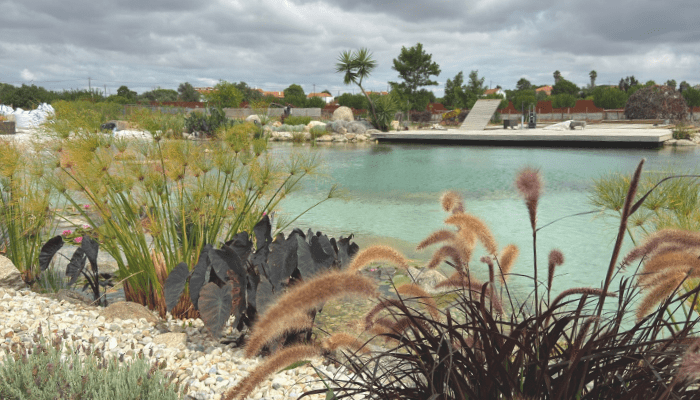
How to Build an Ornamental Pond (Step-by-Step)
Ready? Here’s how to go from dirt patch to dream pond.
Step 1: Mark Your Shape
Lay out a rope or garden hose to test shapes. Organic curves look more natural, but a geometric pond can feel modern and sleek. Up to you. Just decide now, not halfway through the dig.
Step 2: Start Digging
Dig down in layers. Create shelves at different depths:
- 15 to 20cm for marginal plants.
- 30 to 50cm for deeper water or fish.
Make the deepest point in the center or where you’ll install a pump. Keep edges level.
Step 3: Remove Sharp Objects
Rocks, sticks, roots, get them all out. Then lay a protective underlayment or old carpet under your liner. It cushions and prevents tears.
Step 4: Lay the Liner
Center it. Drape it over the hole. Gently push it into the contours. Don’t stretch it, let it settle naturally. Leave plenty of liner over the edge for anchoring later.
Step 5: Add Water Slowly
Use a garden hose to fill it slowly. As it fills, adjust folds and pleats. Once filled, the water will help hold the liner in place.
Step 6: Install Pump & Filter
Set your pump at the deepest part. Run tubing for fountains or waterfalls. Connect to your filter system. Don’t turn it on until the pond is full and settled.
Step 7: Edge It
Use your chosen stones or materials to cover and secure the liner edges. Keep things level. Mix large and small rocks for a more natural look.
Step 8: Add Plants
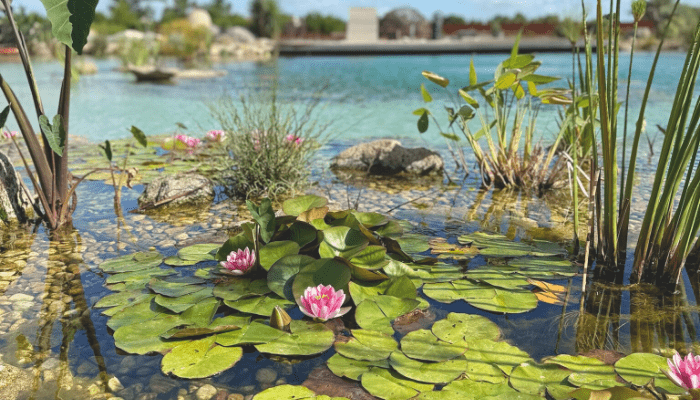
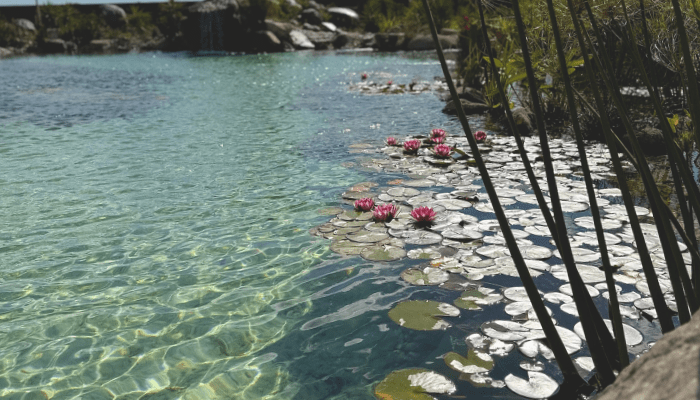
Now the fun part. Marginal plants like papyrus or iris go on the shallow shelves. Floaters like water lettuce add instant charm. Submerged plants oxygenate and keep the water healthy.
Step 9: Let It Sit
Wait a few days before adding fish. Let the water settle. If possible, use a dechlorinator or rainwater. Fish need a stable environment, not a chemistry experiment.
Boom. You’ve got a pond.
Design Tips: Make It Look Like You Hired a Pro
A hole with water is not a pond. Let’s elevate.
- Use asymmetry. Perfect circles look artificial. Nature is messy. Embrace it.
- Mix textures. Use smooth pebbles, rough rocks, tall grasses, and spiky plants. Variety = visual interest.
- Add height. A small waterfall or raised edge can add drama without much extra cost.
- Hide the tech. Disguise pumps, filters, and wires with plants or stones. Nothing ruins the vibe like exposed plastic.
- Light it up. Solar lights around the edge or underwater LEDs can make your pond glow at night. Subtle, but stunning.
Good design doesn’t mean expensive but thoughtful. Think in layers. Think in contrasts. Think of where your eye naturally wants to go.
Maintenance Without Misery
Ponds need care. But it doesn’t have to be a full-time job.
- Weekly: Remove leaves, check water level, clean any visible debris.
- Monthly: Rinse the filter (not with tap water, use pond water to keep good bacteria alive). Trim plants.
- Seasonal: In hot months, top off evaporated water. In cooler ones, reduce feeding (or stop altogether) if you have fish.
Avoid chemicals unless absolutely necessary. A well-balanced pond with the right plants usually stays clean naturally.
And no, goldfish do not eat all the algae. That’s a myth. You still need to do your part.
Common Mistakes (and How to Dodge Them)
Let’s save you some pain.
- Liner too small: Always buy more than you think you need. Seriously.
- No shelves: Flat-bottomed ponds are harder to plant and clean.
- Wrong location: Too much sun or shade throws everything off.
- Skipping the filter: Unless you’re doing a natural-style pond with heavy planting, don’t skip this.
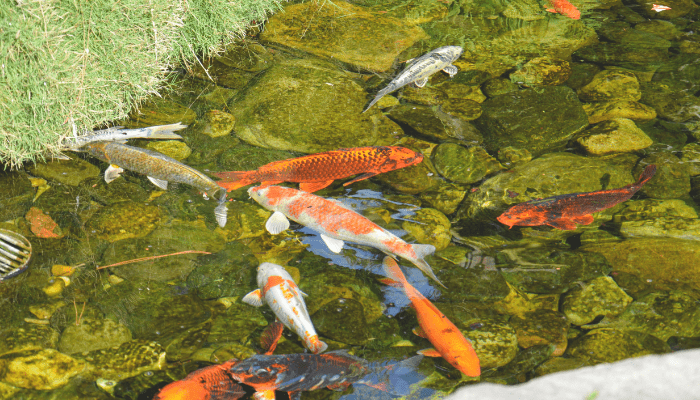
- Overstocking with fish: A common pond dies a slow death from overenthusiastic koi collectors.
- Poor edging: Exposed liner looks bad and breaks down over time. Cover it.
Every mistake above is fixable, but avoiding them saves time, money, and heartbreak.
Pond Ideas for Every Space
Not everyone has a sprawling yard. Here are smart ideas for different situations:
- Tiny yards: Try a mini pond in a large ceramic pot or whiskey barrel. Still water. Big impact.
- Modern homes: Sleek rectangle ponds with black liner and minimal planting. Clean lines, strong visuals.
- Tropical vibes: Use banana plants, bamboo edging, and a bubbling fountain for that Bali energy.
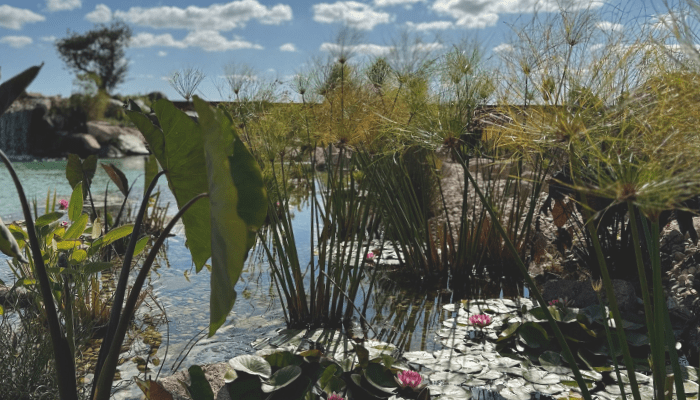
- Wildlife haven: Shallow zones, native plants, no fish. Birds, bees, frogs, they’ll all come.
- Deck ponds: Build a raised box pond as part of your patio or deck design. Add a small spout for a soothing sound.
The pond should match your personality and your space, not a catalog page.
Conclusion
There’s no mystery here. Building an ornamental pond is kind of like making a good risotto. Looks fancy, feels intimidating, but with the right ingredients and a clear process, it all comes together.
You’ve learned how to plan the space, choose the materials, avoid the mistakes that drain your wallet and your pond, and how to make it all look like a landscape architect waving a magic wand.
A small, well-built pond doesn’t just add value to your property. It brings wildlife. It cools the air. It gives you somewhere to breathe, unplug, and pretend you’re on vacation, even when you’re just taking out the trash in slippers.
So go build it. Whether it’s a serene Zen corner, a fish-friendly eco-pond, or a simple stone-edged beauty, your garden is about to get a serious upgrade.
And one last thing: once it’s done, take a moment. Sit. Watch. Listen. Trust me, it’s addictive.
FAQ
How to make an ornamental pond?
To make an ornamental pond, choose a level location, outline the shape, dig the basin, and add a pond liner. Install a pump and filtration system, then place rocks and aquatic plants to create a natural appearance. Fill slowly, check for leaks, and allow the ecosystem to stabilize before adding fish.
What is the cheapest way to build a pond?
The cheapest way to build a pond is by digging a small, shallow hole and lining it with a heavy-duty pond liner or repurposed waterproof material. Use natural stones and plants from your garden instead of purchased landscaping. Skip complex filtration and rely on submerged plants for basic water balance.
How can I build my own pond?
To build your own pond, plan the size and shape, dig the hole, remove sharp stones, and lay down a pond liner. Add edging stones to secure it. Install a small pump or filter to keep the water clean. Finish with aquatic plants and slowly add fish once water stabilizes.
How to make a fake miniature pond?
A fake miniature pond can be made using a shallow container or tray lined with plastic or resin. Add decorative stones, moss, miniature plants, and a small amount of clear resin or water-effect gel to mimic water. This type of pond is used for model gardens, fairy gardens, or displays.
How much to make a manmade lake?
Creating a manmade lake can cost $30,000 to over $1,000,000, depending on size, land excavation, water source, soil type, permits, shoreline reinforcement, and aeration equipment. Large lakes require heavy machinery and professional engineering to prevent erosion and maintain water levels, significantly increasing overall cost and long-term maintenance.
How to create an artificial pond?
To create an artificial pond, select a site away from large tree roots, mark the shape, and excavate the area. Install a waterproof liner or clay seal, then add rocks, soil shelves, pumps, and filtration. Fill slowly, test water quality, and introduce aquatic plants to stabilize the ecosystem before adding wildlife.
How do they put water in a man-made lake?
Water is added to a man-made lake through natural rainfall, nearby stream diversion, well pumps, or municipal water lines. Engineers ensure proper inflow and controlled outflow to maintain stable water levels. Aeration systems may be added to keep water oxygenated and prevent stagnation in large artificial lakes.