
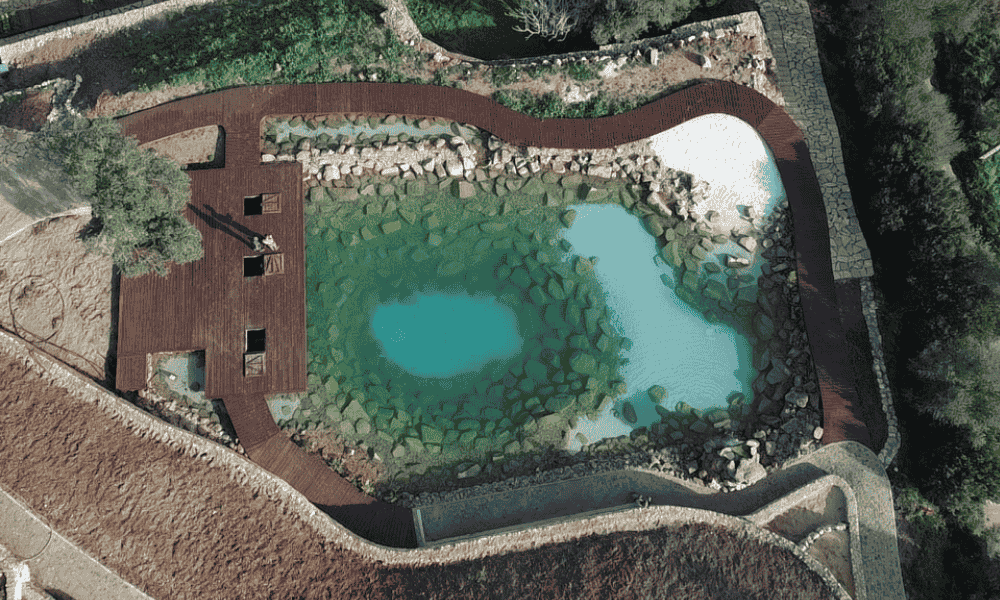
There’s a growing trend toward chemical-free, eco-friendly alternatives in everything from cleaning products to landscaping and swimming pools are no exception. Natural swimming pools, once considered a niche European concept, are now gaining traction worldwide among homeowners who want a pool that blends with nature instead of fighting it.
But how do they actually work?
At a glance, they might look like a cross between a pond and a modern water feature but under the surface, there’s a carefully designed filtration system using plants, microorganisms, and gravity. Instead of relying on chlorine or saltwater systems, natural pools stay clean by mimicking the self-sustaining systems found in lakes and wetlands.
This article breaks down the science, design, and everyday function of natural pools, so whether you’re considering one for your home or just curious how they manage to stay clear and swimmable, you’ll find everything you need to know right here. Let’s dive in (no pun intended).
Key Takeaways
- Natural pools stay clean using plants, microbes, and continuous water circulation rather than chemicals.
- The system relies on two zones: a swimming zone and a regeneration zone filled with plants and gravel.
- Biological filtration removes nutrients that algae need to grow, keeping the water clear.
- Natural pools can be traditional plant-based systems or hybrid designs with discreet tech support.
- Maintenance focuses on trimming plants, checking circulation, and removing debris, not balancing chemicals.
- Upfront costs can be higher, but long-term maintenance is often lower than conventional pools.
- Proper design, plant selection, and water flow are essential for clarity and a stable ecosystem.
How Do Natural Pools Work?
At its core, a natural pool is a swimming area cleaned not by chemicals, but by nature. That means no chlorine, no saltwater systems, and no artificial filtration chemicals. Instead, a natural pool uses plants, beneficial bacteria, gravel, and water flow to create a balanced ecosystem that keeps itself clean.
Natural pools are typically divided into two main zones: the swimming zone, where you splash around, and the regeneration zone, where the real magic happens. The regeneration zone is filled with plants, stones, and a lot of hardworking microbes you’ll never see but you’ll be glad they’re there.
Water circulates continuously between these two zones, passing through filters made of gravel and root systems that remove nutrients and debris. Less gunk in the water means fewer algae and clearer, healthier swimming.
Think of it like this: a natural pool is a pond with a personal trainer. It looks relaxed, but behind the scenes, it’s putting in serious work.
The Science of Staying Clean
There are a few main players in the biological filtration game, and each plays a critical role in keeping your pool clear without any artificial help.
Mechanical Filtration
Even natural pools need a little help with the big stuff. Mechanical filters and skimmers collect leaves, bugs, and debris before they settle and rot. This isn’t high-tech, it’s smart tech. A simple pump-driven system pushes water through gravel and screens that trap large particles.
Biological Filtration
This is where plants and bacteria shine. The regeneration zone is packed with aquatic plants that absorb nitrates and phosphates from the water. Those nutrients would otherwise feed algae but now they’re helping lilies and reeds grow instead.
Microorganisms living in the gravel and plant roots digest organic matter in the water. These good bacteria outcompete the bad ones. It’s a microscopic turf war, and you want the friendly bugs to win.
Circulation and Oxygen
You can’t skip this part. Oxygen-rich water supports healthy bacteria, and good water flow prevents stagnation and mosquito breeding. Pumps help circulate water continuously through the regeneration zone and back into the swimming area.
Without circulation, your pool becomes a pond and not the good kind.
Anatomy of a Natural Pool
Here’s what makes a natural pool more than just a hole in the ground with plants in it.
- Swimming Basin: Designed for humans. Lined with materials that prevent leakage and easy to keep clear of plant matter.
- Regeneration Zone: Usually equal in size to the swim zone. Shallow, packed with gravel and plants.
- Gravel Beds: Act as a mechanical and biological filter.
- Pumps and Pipes: Circulate water, usually on a timer.
- Optional UV Filter: Not necessary, but can help reduce pathogens during warm months.
Most designs aim for minimal maintenance and a natural look. But the tech underneath is quietly doing its job 24/7.
Types of Natural Pools
Natural pools aren’t one-size-fits-all. Here’s how they vary.
Traditional Natural Pools
These rely entirely on plants and biology for filtration. No pumps, no UV, no gizmos. Just proper design and patience. They’re 100% off-grid and ultra-sustainable, but they require more land and some finesse to balance.
Hybrid Natural Pools
Hybrid designs blend natural filtration with discreet tech. You might have a UV filter, a small biological filter chamber, or hidden skimmers to improve clarity and reliability. It’s not cheating, it’s optimization.
Swimming Ponds
These lean more toward a natural pond aesthetic and might even host wildlife. If you’re okay with frogs and dragonflies sharing your pool, this is your vibe.
Why Natural Pools Are Genuinely Worth It
The benefits go way beyond “no chlorine.” Natural pools offer an experience that’s hard to replicate with a traditional system.
- Zero chemicals: Your skin, eyes, and swimsuits will thank you.
- Eco-friendly: Natural pools support local biodiversity. Birds, bees, butterflies, and even frogs might stop by.
- Aesthetic: They look like something out of an architectural magazine, not a Las Vegas resort.
- Cost-effective over time: Lower monthly costs, fewer chemical purchases, and less infrastructure wear.
- Wellness factor: Bathing in clean, chemical-free water feels completely different. And it is.
The Not-So-Glamorous Truth
Let’s not pretend it’s all lilies and sunshine. Natural pools come with real considerations.
- Space Requirements: The regeneration zone needs space, usually equal to or greater than the swim zone.
- Upfront Costs: Building one isn’t always cheaper than a traditional pool. Design matters. Excavation matters. So does getting the plumbing right.
- Learning Curve: You’ll need to understand how the ecosystem works. If you ignore plant care or mess with water flow, things can get murky.
- Algae Happens: Especially in the first year. It’s natural. Not always pretty, but manageable.
- Winter Behavior: In colder climates, natural pools go dormant. No year-round swimming unless you like polar plunges.
Still, for many, the trade-offs are worth it.
How to Build a Natural Pool (Step by Step)
Not every homeowner will DIY this, but understanding the process helps you make better decisions when working with a designer or contractor.
- Assess your site: Soil type, sun exposure, drainage, and elevation matter.
- Design the zones: Determine the size and shape of the swimming and regeneration zones. Balance is key.
- Excavate: Dig out both zones, create levels for plant beds, and build access points for maintenance.
- Install liners: Waterproofing both zones prevents seepage and root intrusion.
- Add plumbing: Circulation pipes, pumps, and optional filters go in now.
- Layer substrate: Gravel, sand, and aquatic soil to support plant life and filter water.
- Plant the regeneration zone: Use the right mix of native aquatic plants.
- Fill and cycle: Add water, then wait a few weeks for the ecosystem to establish before swimming.
Done right, you’ll have a living system that improves over time.
Maintenance That Actually Makes Sense
Natural pools need maintenance, but it’s a different rhythm than chlorine pools.
- Skim debris regularly to prevent nutrient buildup.
- Trim plants seasonally to avoid overgrowth.
- Check pump filters and water flow every few weeks.
- Test water clarity visually. If it looks off, it probably is.
- Remove sludge from the bottom of the regeneration zone yearly. It’s compost gold.
- Watch for algae blooms during hot spells. Temporary UV or shade cloths help.
The key is consistency, not chemicals.
What Plants Make It Work?
Plants are the unsung heroes of every natural pool. You can’t just throw in a few lilies and hope for the best. Smart plant selection = effective filtration.
- Oxygenators like hornwort or elodea help keep water balanced.
- Marginal plants such as iris, cattail, and marsh marigold stabilize edges.
- Floating plants like water lettuce absorb surface nutrients.
- Submerged plants work deeper in the regeneration zone, filtering from below.
Choose species that thrive in your climate and match your maintenance tolerance. Native plants tend to need less attention and do more filtering.
Natural Pools vs Conventional Pools: The Real Difference
It’s not just about chlorine. It’s about experience.
Swimming in a natural pool feels more like wild swimming than backyard lounging. The water smells neutral. The plants move. Birds come by. It’s quiet in a different way.
You’re not managing water chemistry every weekend. You’re managing an ecosystem, mostly by not interfering with it too much.
And when guests visit? Their first words usually aren’t “Nice pool.”
It’s: “Wait, is this real?”
Additional Resources Worth Exploring
If you want to dive deeper (pun slightly intended), here are some solid resources to check out:
- International Organization for Natural Bathing Waters (IOB) for technical standards and ecological guidelines
- This Fluidra article on design considerations
- Urban Water UK for an overview of design/build strategies
- The Spruce breakdown of pros and cons for homeowners
Conclusion
Natural pools aren’t just a passing trend, they’re a smarter, healthier, and more sustainable way to enjoy your outdoor space. They harness the power of biology, not chemicals, to keep the water clean and safe. And once the system is up and running, maintenance becomes less about managing pH levels and more about working with nature, not against it.
If you’re looking for a backyard that feels more like a private retreat and less like a chlorinated gym, a natural pool might be the upgrade you didn’t know you needed. They’re beautiful, functional, and designed to last, not to mention a serious conversation starter.
Ready to explore if a natural pool is right for your space? We help homeowners design and build fully customized natural pools that match their vision, their landscape, and their values. Reach out today for a no-obligation consultation, and let’s turn your yard into something truly unique.
FAQ
What are the cons of a natural pool?
Natural pools require more space for regeneration zones, need careful ecological balance, and can take longer to clear after heavy use. They may attract insects, shed leaves, and occasional algae growth. Construction costs can be high, and water clarity isn’t always as consistently perfect as in chemically treated pools.
Do natural swimming pools need a pump?
Yes, natural swimming pools use pumps to circulate water through biological filters and regeneration zones. Although they don’t use chlorine, continuous water movement is essential to prevent algae, oxygenate the water, and support beneficial microbes. Pumps typically run for many hours a day, but energy-efficient systems are available.
What is the downside of a mineral pool?
Mineral pools cost more upfront, require ongoing mineral top-ups, and still need some level of chlorine or oxidizer for sanitation. Equipment compatibility varies, and mineral cartridges can be expensive. While the water feels softer, maintenance isn’t completely chemical-free, and mineral systems don’t eliminate all pool upkeep tasks.
Are natural pools heated?
Natural pools can be heated, but heating is slower and less efficient because the ecosystem relies on stable temperatures. Many owners use solar heating to avoid disrupting biological balance. Excessive heat can stress plants and microorganisms, so natural pools are usually kept cooler than conventional, chemically treated pools.