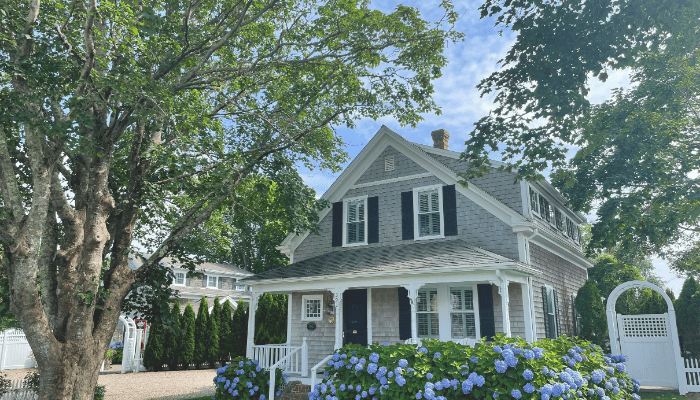
Curb appeal can increase your home’s value by up to 7%, according to real estate studies. And here’s the kicker: that number climbs when you replace grass with well-designed hardscape.
Because lawns are needy. Grass gets patchy, thirsty, and somehow still demands more attention than your houseplants.
Enter hardscaping. Durable. Intentional. Low maintenance. And, when done right, seriously good-looking.
We’re not talking about just slapping down some gravel and calling it a day. We’re talking about front yards that guide the eye, frame the house, and make people slow down when they drive by, but not in the “what is going on with that yard?” kind of way.
The best hardscapes aren’t just aesthetic. They solve problems. They reduce upkeep. They handle slopes, poor drainage, and boring entryways with style.
In this one, we’ll cover the most effective and visually striking front yard hardscaping ideas with options for every budget, climate, and architectural style. Whether you want to ditch your lawn entirely or just clean up that chaotic border by your walkway, there’s a way to do it that looks intentional and feels effortless.
Let’s get into it. Your front yard deserves more than patchy grass and regret.
Sustainable Outdoor Spaces, Designed for Living
Key Takeaways
- Hardscaping adds structure and reduces front yard maintenance
- Match hardscape materials and shapes to your home’s architecture
- Focus on walkways, borders, steps, and gravel zones for impact
- Use plants to soften stone and create contrast in texture and color
- Start small with one area and expand over time to stay on budget
- Use gravel and reclaimed materials to save money
- Choose materials suited to your local climate and seasonal changes
- Combine function and style to make your front yard work year-round
- A clear plan leads to a cleaner, more intentional outdoor space
What Is Hardscaping and Why It Matters in the Front Yard
Let’s clear something up fast: hardscaping isn’t just about rocks.
It’s everything in your yard that doesn’t grow like walkways, walls, patios, gravel beds, steps, even a well-placed boulder if you’re feeling bold. It’s the structure that holds your landscape together.
And in the front yard, structure matters. A lot. This is the first thing people see. It’s the difference between “wow, that’s clean” and “oof, is that… mulch on the sidewalk?”
Hardscaping reduces maintenance. It’s easier on water bills. It adds definition and purpose. And it works year-round, even when your favorite plant gives up mid-August because it’s “too hot.”
The best part? You can design it once and enjoy it for years. No pruning. No replanting. No dead patches. Just a solid, low-maintenance foundation that makes your yard look good whether you’re hosting or just hauling groceries inside.

Hardscaping Styles to Match Your Home
You don’t need a design degree. You just need to know your vibe.
Start by looking at your house, not Pinterest. What materials, colors, and lines already exist? Use hardscape to extend them.
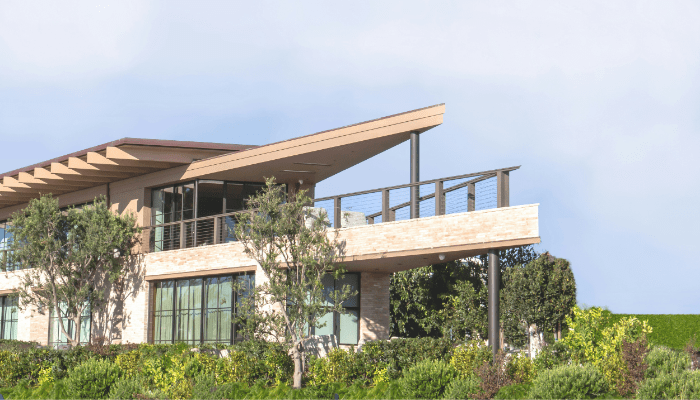
Modern homes look best with clean lines. Think rectangular pavers, concrete slabs, black gravel, and metal edging. Sleek, sharp, intentional.
Cottage or traditional homes lean into curved walkways, red brick, cobblestone, and softer transitions. You’re going for charm and approachability.
Mediterranean styles pair beautifully with terracotta tones, travertine, stucco accents, and layered stone borders. Bonus if you can work in olive trees or lavender.
Xeriscape or desert-inspired homes do great with crushed granite, large boulders, dry riverbeds, and spaced-out planting. It’s sculptural and water-smart.
Rustic cabins or craftsman homes? You’re looking at natural stone, chunky wood borders, and designs that feel like they grew there.
The goal is harmony. Don’t fight your house. Build on what it’s already saying.
Practical Hardscape Elements That Add Value
This is where things stop being pretty pictures and start solving real problems.
Walkways: You need one. Even if it’s short. It should lead somewhere, have a rhythm to the spacing, and feel deliberate. Flagstone, concrete, brick, or decomposed granite — all great options.
Retaining walls: If your yard has any slope, they’re not optional. They stop erosion, add levels, and create planting zones. Bonus: they make great seating for casual chats.
Driveways: These are usually boring. But they don’t have to be. Permeable pavers, textured concrete, or stone inlays can make your driveway feel like part of the design, not a leftover decision.
Steps and landings: Level changes? Use them. Steps can anchor your entry visually and physically. Use materials that tie into your walkway or porch for cohesion.
Borders and edging: These are the unsung heroes. They create clean lines, contain mulch, and stop your gravel from slowly migrating into the street.
Focus on form and function. The best hardscapes do both.
Low-Maintenance Front Yard Ideas Using Hardscape
This is the part everyone loves: how to make your yard look great with less effort.
Gravel beds are unbeatable. You can create paths, fill awkward corners, or swap out entire lawns. Pair them with a few tall grasses or structured plants like agave and you have a modern and minimal look.
Mulch zones work well around trees and shrubs. Go with dark brown or black mulch for contrast. Bonus: it keeps soil cool and weeds out.
Stepping stones give you access across planted areas without committing to a full path. Mix stone sizes and shapes to make it feel organic.
Raised planters with stone or brick borders add a formal touch without the formality. They also give you control over soil and drainage, which plants love more than most people realize.
Rock gardens and dry creek beds are beautiful in dry climates and solve real drainage issues. Form meets function meets “no mowing required.”
Start with one area and build out over time. You don’t need a full redesign in one go.
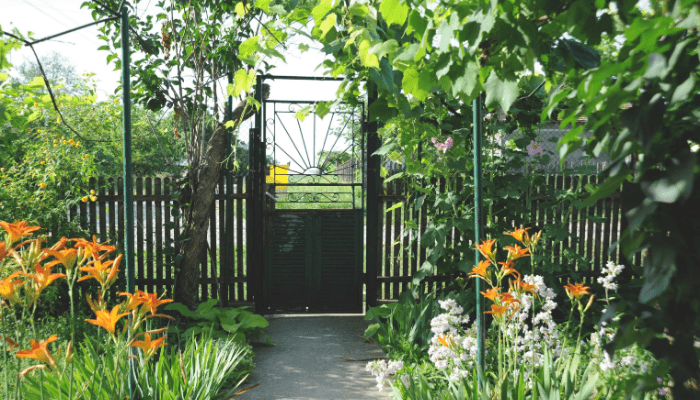
Combining Hardscape and Softscape for Balance
This is where some people go wrong, they forget the plants.
Hardscape gives structure. Softscape brings it to life.
Use greenery to soften harsh edges. For example, plant low ornamental grasses along the edge of a stone path. Let thyme or creeping sedum grow between pavers. Tuck lavender next to a gravel zone. Contrast is your best friend.
Texture matters. Rough stone against smooth leaves. Dark mulch with silver foliage. Concrete next to soft mounds of rosemary.
And don’t forget the lighting. A few well-placed uplights can transform your hardscape at night. Highlight steps, focal plants, or architectural features. It’s not just about safety, it’s drama. The good kind.
You don’t need many plants. You just need the right ones in the right spots.
Budget-Friendly Front Yard Hardscaping Tips
Hardscape can get expensive fast, but it doesn’t have to.
Start with the high-impact areas. Walkways. Entry steps. Borders. These change the look of your yard without requiring major excavation.
Use what you’ve got. Got old bricks, pavers, or leftover stone? Repurpose it. It doesn’t have to match perfectly, eclectic looks intentional if you commit to it.
Gravel is gold. Cheap, fast, and effective. You can use it for paths, borders, or entire lawn replacements. Just make sure to edge it properly or you’ll be raking it back into place forever.
DIY where it makes sense. You don’t need a professional to lay a stepping stone path or fill in a gravel zone. Just watch your slope, use base layers, and compact well.
Avoid the expensive mistakes. Poor drainage, uneven grading, and bad material choices can cost more in fixes than you saved upfront. Plan, then build.
Hardscape lasts a long time. Spend where it counts.
Seasonal and Climate Considerations
One design doesn’t fit all climates, sorry.
Cold climates need materials that can handle freeze-thaw cycles. That means properly compacted base layers, drainage planning, and frost-resistant stone.
Hot areas need to watch for heat retention. Dark stones and metal can get scorching. Use lighter tones or shady plantings to balance it out.
Rainy regions? Make sure your hardscape drains properly. Avoid materials that get slick when wet. And slope everything away from your house.
Dry zones? Perfect for gravel-heavy designs. Just keep plantings simple and clustered to avoid a scattered look.
Hardscaping is permanent, make sure it matches your seasons as much as your style.
Ready to Redesign?
Walk out your front door. What’s working? What’s not?
Is the grass struggling? Is the path crumbling? Is the whole space just kind of… meh?
Start by picking one pain point. Then one material. Then one shape. You don’t need to plan the entire yard. You just need a direction.
Sketch it. List materials. Walk the space with a tape measure. Hardscape isn’t just about stone and gravel, it’s about intention.
Whether you’re doing a full makeover or fixing one corner, front yard hardscaping is one of the smartest moves you can make.
Conclusion
A front yard with great hardscaping doesn’t just look good, it works. It controls flow, guides visitors, boosts curb appeal, and saves you from Saturday morning sprinkler drama.
More importantly, it makes your outdoor space feel finished. Solid. Thoughtful. Like someone actually meant for it to look that way.
And you don’t have to go big to get big results. Start with a path. Clean up the edges. Swap one thirsty patch of lawn for gravel and a few drought-happy plants.
Hardscape is where design meets practicality. It’s landscaping for people who want beauty that lasts longer than a mowing cycle.
So if your current yard feels like a placeholder, this is your sign. Get a plan. Pick a style. Sketch it out. Or better yet, grab some flagstone and start somewhere small this weekend.
Because your front yard doesn’t need to be fancy. It just needs to be intentional. And hardscaping is how you make that happen.
FAQ
What is the cheapest hardscape option?
The cheapest hardscape option is usually gravel. It’s affordable, easy to install, and works for pathways, patios, and driveways. Pea gravel or crushed stone requires minimal equipment and can be refreshed over time. Mulch pathways, reclaimed bricks, and simple paver stones are also budget-friendly alternatives for low-cost outdoor projects.
What are the drawbacks of hardscaping?
Hardscaping can be expensive, reduce natural drainage, and increase heat retention. Improper installation may cause cracking, shifting, or water runoff problems. It also offers less ecological benefit than plants, providing no habitat, cooling, or soil improvement. Maintenance is low, but repairs can be costly if the foundation isn’t built correctly.
What is the most low-maintenance landscaping for front yard?
The most low-maintenance front yard landscaping uses drought-tolerant plants, native species, mulch beds, gravel areas, and minimal-care shrubs. Replacing lawn with groundcovers, stone features, or xeriscaping reduces watering, mowing, and fertilizing. A simple layout with automatic irrigation and weed-suppressing mulch keeps the yard attractive with very little upkeep.
What are the options for hardscaped backyard?
Hardscaped backyard options include patios, paver walkways, gravel areas, retaining walls, fire pits, outdoor kitchens, and seating zones. You can use materials like concrete, stone, gravel, brick, or composite decking. Mixing hardscape with low-maintenance plants creates a balanced outdoor space that’s functional, durable, and easy to care for.