If there is magic on this planet, it is contained in water. Add fish to that water, and you’ve just dialed that magic up to eleven.
A garden pond with fish isn’t just a nice-to-have. It’s a fully alive, ever-moving ecosystem that transforms a plain green yard into a dynamic space. One where color flashes through water, dragonflies hover, and silence becomes optional thanks to bubbling fountains and the occasional goldfish splash.
This is more than aesthetics. It’s function. Fish help control insects. Plants help filter water. The whole system can work with surprising elegance, if you build it right.
And no, you don’t need a mansion, a landscaping crew, or koi imported from Japan at $400 a fin. You just need a well-thought-out plan, the right setup, and fish that won’t turn your pond into a high-maintenance headache.
That’s what this guide is here for.
We’re skipping fluff. No recycled Pinterest tips. Just real, tested advice on how to plan, build, stock, and maintain a fish pond that actually thrives, even if you’re working with a tight space or a tight budget.
Let’s get into it. Your fish are waiting.
Bring Living Water Into Your Garden
Key Takeaways
- Choose a sunny but partly shaded location for your pond
- Size and depth matter, especially for fish health and temperature control
- Goldfish and small native fish are ideal for most ponds
- Avoid overcrowding and incompatible species like tropical or invasive fish
- Use shelves in the pond design for plants and structure
- Include a pump and filter to keep water clean and oxygenated
- Add plants to support water quality and provide shelter
- Cycle the pond before adding fish to establish beneficial bacteria
- Feed fish once daily and avoid overfeeding to prevent algae
- Regular maintenance includes skimming debris, cleaning filters, and water testing
- Protect your pond from predators and monitor for common problems like algae or cloudy water
- Even small spaces can host beautiful and functional fish ponds
Why Add Fish to a Garden Pond?
Because water alone is beautiful, but water with life? That’s something else entirely.
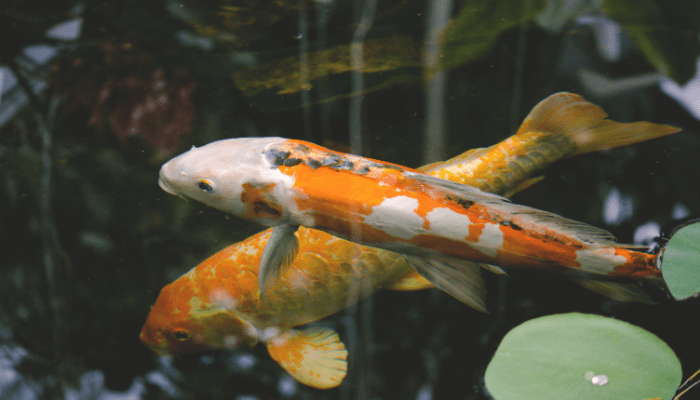
Fish bring movement. They draw your eye. They turn a quiet pond into a living, breathing microhabitat. But they also do practical work like eating mosquito larvae, algae, and leftovers. They’re not just pretty, they’re maintenance staff.
And if you’ve ever watched a goldfish cruise slowly under a lily pad as the sun hits just right. You’ll understand the appeal. It’s hypnotic. It makes you forget emails exist.
Also, ponds with fish give your garden a story. It’s not just a landscape. It’s a tiny ecosystem you helped create.
Planning Your Fish Pond: Essentials to Know First
Let’s get the boring-but-critical part right: planning.
First, location. Your pond needs 4 to 6 hours of sunlight a day, but not all-day blazing sun. A little afternoon shade goes a long way. Both for the fish and for your future algae headaches.
Second, size. The bigger the pond, the easier it is to keep stable. That said, small ponds can still work great for small fish like minnows or goldfish. Just don’t try to cram six koi into a wine barrel. That’s not a pond, that’s a hostage situation.
Depth matters too. Go for at least 50–60cm if you’re keeping fish. In colder climates, deeper is better to avoid freezing solid. In warmer climates, deeper water helps keep the water cool.
Third, check local rules. You may not need permits, but some HOAs or municipalities get touchy about digging holes or keeping fish outside. Avoid the drama. A quick check now saves headaches later.
Best Fish for Garden Ponds (and What to Avoid)
Not all fish are pond-friendly. Here’s what works, and what doesn’t.
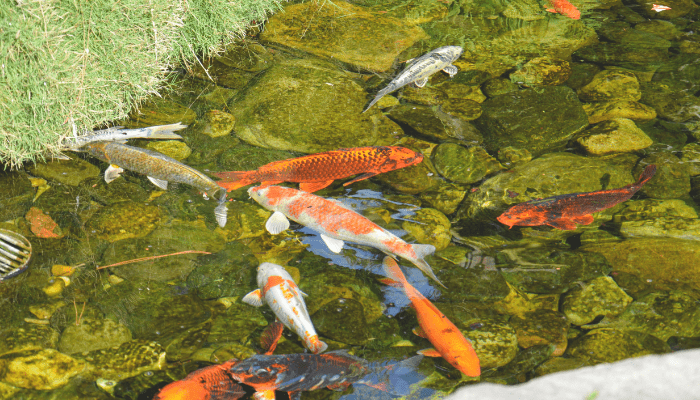
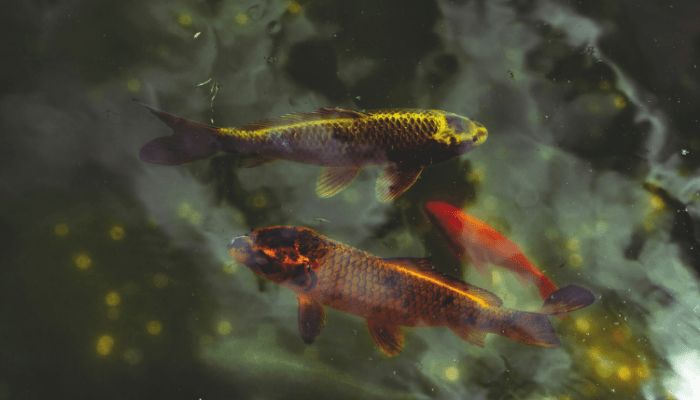
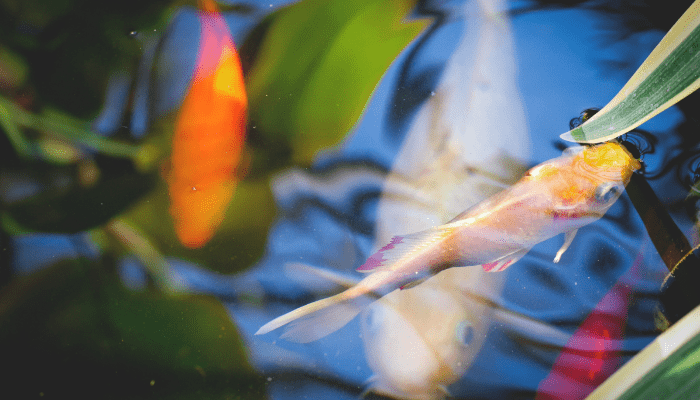
Goldfish are the MVPs of garden ponds. Hardy, peaceful, low-maintenance. Stick to common, comet, or shubunkin varieties. Fancy types (with bubble eyes and stubby fins) are better off indoors. They’re cute, but not very survival-oriented.
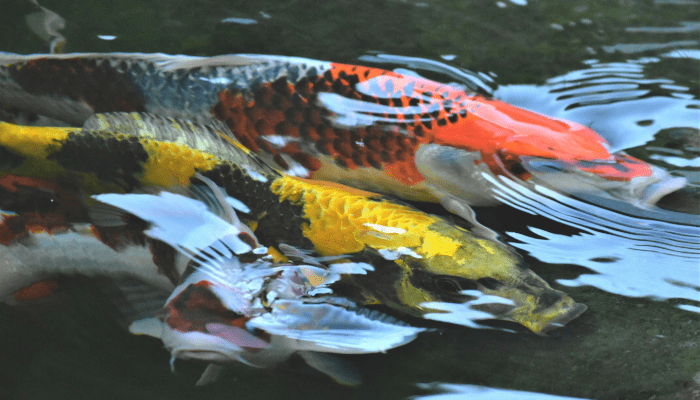
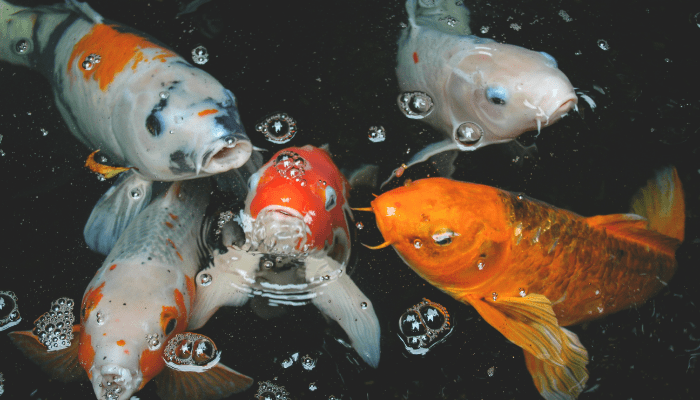
Koi are stunning. They’re also huge, messy, and expensive. Don’t even consider koi unless your pond is big, deep, and filtered like a spa. Beautiful? Yes. Beginner-friendly? Not even close.
Mosquitofish and white cloud minnows work well in smaller setups. They’re tiny but effective. Just be sure they’re legal in your area, some places consider them invasive.
Avoid tropical fish unless you plan to heat the pond or bring them inside during winter. Guppies can work in warm climates, but they’re fragile.
Never introduce fish from rivers, lakes, or pet stores that don’t specialize in ponds. That’s how parasites, diseases, and invasive species sneak in.
How to Build a Garden Pond with Fish: Step-by-Step
This is the fun part and you can do it yourself.
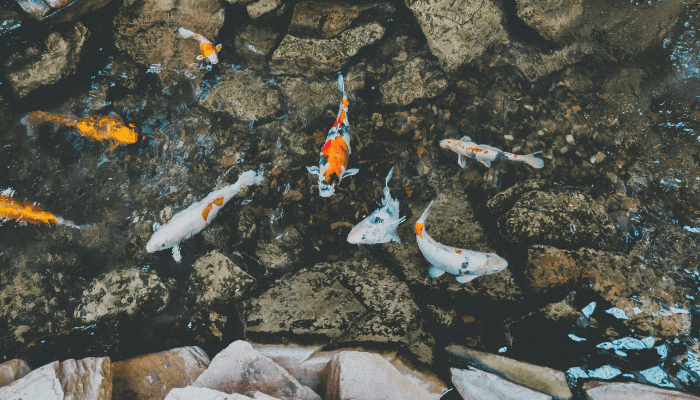
Step 1: Mark the shape. Use a garden hose to outline your design. Organic, kidney-shaped ponds look natural. Rectangles give a modern feel. Pick your vibe.
Step 2: Dig the hole. Create shelves at different depths: one shallow shelf (around 15cm) for plants, and a deeper middle section (50 to 80cm) for fish to hang out and escape temperature swings.
Step 3: Lay down protective padding. Old carpet, underlayment, or pond-specific materials. You’re preventing rocks or roots from puncturing the liner.
Step 4: Install the liner. Use a flexible PVC or EPDM liner. Center it, let it drape naturally, and press it into place. Don’t stretch it tight. The weight of the water will do the work.
Step 5: Add edging and anchor the liner. Use flat stones, gravel, or decorative bricks to secure the edges. No exposed liner. It degrades fast and looks cheap.
Step 6: Set up the pump and filter. Choose equipment rated for your pond’s volume. Even better if your filter includes a UV clarifier to keep algae under control.
Step 7: Fill with water. Rainwater is best. Tap water works, but you’ll need to dechlorinate before adding fish.
Step 8: Add plants. Floating plants like water lettuce or duckweed. Marginals like iris and pickerel rush. Submerged plants like hornwort. Think of them as your natural filtration team.
Step 9: Wait and cycle the pond. Before adding fish, let the pond run with plants and filter for at least 2 weeks. Beneficial bacteria need time to build up, they keep your fish alive.
Step 10: Acclimate the fish. Float their bag in the pond for 15 to 20 minutes. Then slowly mix pond water into the bag before releasing. No dumping. They hate that.
Design Tips for Fish-Friendly Garden Ponds
Design isn’t just for looks, it’s for function too.
Fish need shade. Add water lilies, floating plants, or even an arched structure above part of the pond.
Give them hiding spots. Use rocks, underwater caves, or dense planting zones. This helps with both stress and predator protection.
Make sure your fountain or waterfall doesn’t create too much splash. Fish like oxygen, but they don’t want to live in a washing machine.
Stick with natural materials. The more your pond blends with its surroundings, the more inviting it looks to you, and to local wildlife.
And always hide your filter and cables. You’re building an aquatic haven, not a science fair project.
Feeding and Caring for Pond Fish
Feeding pond fish is fun. It’s also easy to overdo it.
Feed once a day, in the morning if possible. Only what they can eat in two to three minutes. Anything left behind just fuels algae.
Use pond-specific food. It floats, which keeps fish visible and reduces waste. Some food even has spirulina or wheat germ for seasonal needs.
In cold weather (below 10°C), stop feeding entirely. Fish metabolism slows down. They won’t digest it, and it’ll rot.
Always observe your fish while feeding. If they’re hiding, sluggish, or gasping at the surface, something’s off: water quality, oxygen, or illness. Don’t ignore it.
Garden Pond Maintenance (Monthly and Seasonal Checklist)
Pond maintenance isn’t glamorous, but it’s not awful either. Think of it like brushing your teeth. A little effort now avoids expensive problems later.
Weekly:
- Scoop leaves
- Check water levels
- Rinse filters lightly using pond water
Monthly:
- Test water: ammonia, nitrites, pH
- Trim plants
- Check for leaks or slow-flowing equipment
Seasonal:
- In summer, top off with rainwater
- In fall, use a net to catch leaves
- In winter, use a pond heater or air stone to keep a hole in the ice
- In spring, clean sludge, restart full feeding, and thin plants
Avoid draining your pond unless absolutely necessary. Mature pond water is full of good bacteria. Dumping it resets the ecosystem and stresses your fish.
Common Problems and How to Fix Them
No pond is perfect. But most issues are fixable if you catch them early.
Cloudy water? Check your filter, reduce feeding, and add oxygenating plants.
Algae bloom? Too much sunlight or nutrients. Use floating plants and shade. A UV clarifier helps too.
Fish hiding constantly? Could be predators, poor water quality, or stress. Test the water and check for signs of injury.
Gasping fish? Low oxygen or high ammonia. Add aeration immediately. Do a partial water change with dechlorinated water.
Predators? Herons, raccoons, and cats love fish. Use netting, motion-activated sprinklers, or floating decoys to protect your pond.
Your pond will teach you. Just watch, listen, and adjust. Nature gives feedback, usually in green water or sulking fish.
Inspiration: Types of Garden Fish Ponds to Try
Not sure where to start? Pick a style that fits your space and personality.
Small modern pond – clean lines, dark liner, white stones, and two sleek goldfish. Minimalism meets aquatic zen.
Wildlife pond with goldfish – natural shape, native plants, and a low-maintenance vibe. Let nature take the lead.
Classic koi pond – if you’ve got space and budget, go all in. Deep, powerful filtration, and those gorgeous living jewels.
Raised container pond – whiskey barrel, ceramic bowl, or steel tub. Add water, a pump, a few small fish, and you’re good to go.
Patio pond – part garden feature, part conversation starter. Combine with lights and seating for a serious atmosphere.
There’s no single “right” pond. Just the one that makes you want to sit outside a little longer every day.
Conclusion
Let’s recap: a garden pond with fish isn’t a weekend whim. It’s an ecosystem. It needs balance, attention, and the occasional water test kit.
But here’s the good news. Once it’s set up, it can be remarkably low-maintenance. Feed your fish. Clean your filter. Skim the leaves. That’s most of it.
More importantly, it’s rewarding. There’s something incredibly calming about watching fish glide through still water under a blooming lily. It beats scrolling through emails or sitting in yet another pointless meeting.
And unlike a pet that lives inside and chews on your furniture, pond fish don’t complain. They just swim, eat, and occasionally stare back at you like they know something you don’t.
With the right setup, a garden fish pond adds beauty, balance, and biodiversity to your space. Whether you’re going big with koi or keeping it minimal with a few goldfish, the process is the same: thoughtful, simple, and absolutely worth it.
Now, close your browser. Go grab a shovel. Or at least start sketching out your pond plan.
The first time a fish eats from your hand, you’ll know you made the right call.
FAQ
Can you put fish in a garden pond?
Yes, you can keep fish in a garden pond as long as the pond is large enough, has proper filtration, oxygenation, and stable water quality. Shade and plants help create a balanced ecosystem. Avoid overcrowding, and ensure the pond is deep enough to protect fish from temperature changes and predators.
What is the best fish to put in a garden pond?
Common pond-friendly fish include goldfish, koi, shubunkins, and rosy red minnows. These species are hardy, easy to care for, and adapt well to outdoor water conditions. Choose fish based on pond size. Koi need more space, while goldfish thrive in smaller ponds with good filtration and aquatic plants.
Can fish survive in an outdoor pond?
Yes, many fish can live in outdoor ponds year-round if the pond is deep enough, well-filtered, and protected from extreme temperature swings. A balanced ecosystem with oxygenation and aquatic plants supports their health. Hardy species like goldfish and koi are commonly kept outdoors in a range of climates.
Can fish survive winter in an outdoor pond?
Fish can survive winter in outdoor ponds if the water is deep enough to prevent freezing solid (usually at least 60–90 cm deep). A pond aerator or de-icer keeps a small hole in the ice to allow gas exchange. Hardy cold-water species like koi and goldfish overwinter well.