
An inefficient pool pump can cost you up to $300 more per season in energy bills. That’s not a scare tactic, it’s math.
Whether you’re installing a new pool, upgrading an old one, or just trying to stop your filter from making that weird groaning noise, one thing’s clear: your pool is only as good as its equipment.
The good news? Most equipment upgrades don’t have to break the bank. And choosing the right tools. From energy-efficient pumps to slick robotic cleaners can save time, money, and your Saturday afternoons.
But here’s where it gets tricky: the market’s full of stuff. Overcomplicated stuff. Flashy accessories, must-have automation, five different kinds of filters… it’s overwhelming.
This guide is here to cut through the noise. No fluff. No sales pitch. Just the core equipment, smart upgrades, and expert-level advice you actually need to run a clean, safe, and low-maintenance pool.
Let’s break it down, piece by piece, pump to pool light.
Smarter Pools Designed Naturally
Key Takeaways
- Swimming pool equipment falls into two categories: core gear (pumps, filters, heaters, skimmers, covers) and add-ons (lighting, automation, water features).
- A pool pump is the heart of circulation. Variable-speed models save energy and extend system life.
- Filters (sand, cartridge, or DE) keep water clear; cartridge filters are a good balance for most residential pools.
- Heaters (gas, heat pump, solar) extend swim season; hybrids offer the most flexibility.
- Covers cut heat loss, keep debris out, and improve safety; automatic covers offer convenience but cost more.
- Cleaning equipment ranges from manual tools to robotic cleaners that work independently.
- Water treatment includes chlorinators, chemical feeders, and test kits. Balanced chemistry prevents algae and equipment damage.
- Safety equipment (covers, fencing, alarms, anti-entrapment drains) is essential, especially for families.
- Automation & smart tech allow remote control of pumps, lights, heaters, and chemical systems.
- Energy-efficient upgrades (LED lights, solar heating, Energy Star-rated pumps) save money long-term.
What All Is a Swimming Pool Equipment?
Let’s keep this simple: pool equipment is everything that keeps your pool running, clean, warm, safe, and fun. From the pump that circulates water to the LED lights that turn your evening swim into a vibe.
There are two categories of gear:
- Core equipment – The stuff your pool physically cannot function without.
- Add-ons – The cool extras that make pool life easier, cleaner, or more fun.
You don’t need to buy everything at once. But understanding what’s out there helps you plan smarter and avoid overspending on stuff that sits in a storage bin.
Core Equipment vs. Add-ons
Not all gear is created equal.
A filter? Mandatory.
A floating Bluetooth speaker shaped like a pineapple? Optional. (Still awesome, though.)
Core gear includes pumps, filters, heaters, and circulation tools. Without these, your pool becomes a pond. Fast.
Add-ons include lighting, automation, water features, and accessories. These improve experience, efficiency, and maintenance but aren’t required to keep water clean.
Residential vs. Commercial Pool Equipment
If you’re running a hotel pool or fitness center, you need commercial-grade gear. Higher capacity. Durable components. More automation. And yes, more expensive.
Homeowners? Residential equipment will do just fine as long as it’s sized correctly and installed right.
Essential Swimming Pool Equipment for Every Pool in Short
No pool can run without these basics. If you’re starting from scratch, this is your shopping list. This is just your summary. So for a more detailed description scroll to the next section.
Pool Pump
This is your pool’s heart. It pushes water through the filter, chlorinator, heater, and back again.
Pro tip: Look for variable-speed pumps. They use less energy, make less noise, and last longer. Single-speed pumps are cheaper up front but they’ll eat your power bill alive.
Pool Filter
Three main types:
- Sand filters – Easy to maintain, not the best at catching fine debris.
- Cartridge filters – More efficient, slightly more maintenance.
- Diatomaceous Earth (DE) filters – Top performance, higher cost, more steps.
Choose based on your pool size, budget, and tolerance for cleaning chores.
Skimmers and Main Drains
Skimmers suck in debris from the surface. Main drains pull from the bottom. You want both working together. If one’s clogged, your circulation is toast.
Pool Heaters
Extend your swim season and stop dreading cold water shocks.
Options:
- Gas heaters – Fast but pricey to run.
- Heat pumps – Slower but more efficient.
- Solar – Eco-friendly and free to operate, but weather dependent.
Pool Covers
They keep heat in, bugs out, and water from evaporating. Bonus: fewer leaves, less cleaning.
Your In-Depth Guide
Pool Pumps: The Heart of Circulation
Every drop of pool water flows through this system, so the pump better be up for the job.
What it does:
Moves water through filtration, sanitation, and heating systems. It controls water turnover rates, which directly impacts water clarity, chemical balance, and swimmer health.
What matters:
- Sizing: This isn’t guesswork. Undersized pumps struggle, overpowered ones waste energy. We size pumps based on plumbing layout, pool volume, head loss calculations, and flow rate requirements of other equipment (like heaters or in-floor cleaning).
- Speed Options:
- Single-speed: Budget-friendly, but outdated in energy efficiency.
- Dual-speed: Better, but still limited control.
- Variable-speed (VSPs): Quiet, customizable, Energy Star rated, and now required in many states (like California). Over time, VSPs pay for themselves in energy savings and extend the lifespan of every system they touch.
Pro insight: We recommend sizing for the minimum effective flow rate, not max horsepower. Quiet efficiency beats brute force every time.
Pool Filters: Your Water’s Last Line of Defense
The filter handles everything the skimmer and pump can’t—think pollen, oils, hair, sunscreen, and algae spores.
Types of Filters:
- Sand Filters:
- Low maintenance, cost-effective. Best for larger debris.
- Efficiency: ~20-40 microns
- Ideal for: commercial pools or heavy-use systems
- Cartridge Filters:
- Higher filtration precision (~10-20 microns)
- Easier to replace, no backwashing needed.
- Ideal for: residential pools with landscaping nearby
- Diatomaceous Earth (DE):
- Industry gold standard (~2-5 microns)
- Requires regular backwashing and DE powder replacement
- Ideal for: clients demanding pristine water quality
Pro insight: We typically recommend cartridge filters for residential projects. They strike a good balance between clarity, maintenance, and cost.
Skimmers and Main Drains: Passive Flow, Powerful Impact
They’re invisible to most homeowners, but critical to your circulation loop.
Skimmers:
- Positioned on the pool walls at waterline height
- Collect floating debris (leaves, oils, insects) before it sinks
- Must be properly spaced and sized, too few = ineffective surface cleaning
Main Drains:
- Pull from the deep end or floor to balance water flow
- Must comply with VGB (Virginia Graeme Baker) Act safety standards. The dual drains with anti-entrapment covers are now mandatory
Pro insight: We always design balanced hydraulic systems, not just “a skimmer and a drain.” Placement, piping, and flow resistance all matter.
Pool Heaters: Comfort Meets Control
A cold pool sits empty. A properly heated pool? That’s daily-use luxury.
Heater Options:
- Gas (Natural or Propane):
- Quickest heat-up time
- Ideal for spas or cold climates
- Higher operating cost
- Heat Pumps:
- Energy efficient, but slower to heat
- Best for moderate-to-warm climates
- Solar Heating:
- Environmentally friendly, zero operating cost
- Requires adequate roof space and sun exposure
Pro insight: For high-end builds, we often recommend hybrid systems. Heat pump for daily maintenance, gas for fast spa heating or cool mornings.
Pool Covers: Protection That Pays Off
They do more than block leaves. A good cover protects your client’s investment.
Types of Covers:
- Manual or Reel Covers: Cost-effective, reduce evaporation, retain heat
- Safety Covers (mesh or solid): Protect against pets, kids, and winter damage
- Automatic Covers: Best-in-class for convenience and daily use. Expensive but seamless, secure, and usable year-round.
Pro insight: Every cover you spec should be chosen with the pool shell, coping, and automation system in mind. We build the integration into the design.
Pool Cleaning Equipment
Cleaning doesn’t have to be painful. With the right gear, you might even enjoy it. (Okay, maybe not, but it’ll be faster.)
Manual Tools
These are your basics:
- Telescopic pole
- Leaf net
- Vacuum head
- Pool brush
They’re cheap and give you full control. Perfect for spot-cleaning or smaller pools.
Automatic Cleaners
Here’s where life gets easier:
- Suction-side cleaners hook up to your skimmer.
- Pressure-side cleaners attach to your return line.
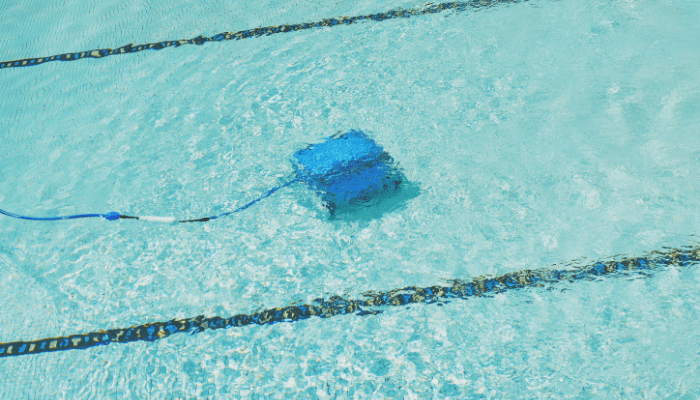
- Robotic cleaners work independently and scrub floors, walls, even waterlines.
Robots cost more, but they do the job while you do literally anything else.
Telescopic Poles and Hoses
Don’t skimp here. A bad pole makes cleaning feel like arm wrestling a metal noodle. Sturdy ones last for years.
Surface vs. Wall Cleaners
Some cleaners only handle the floor. Others climb walls. Choose based on what bugs you more: dirty steps or gritty bottoms.
Water Treatment & Testing Equipment
You can’t see unsafe water. But your nose and eyes can tell you something’s wrong.
Chemical Feeders
Forget measuring chlorine by hand every day. Feeders automate the process. Set it and forget it.
Saltwater Chlorinators
No, they don’t mean ocean water. Salt systems use salt to make chlorine on-site. Lower maintenance. Softer water. Less harsh on skin and swimsuits.
Water Test Kits
Test weekly. Seriously.
Manual test strips are fine. Digital testers are better. Pools with unbalanced chemistry go green fast.
pH, Alkalinity, Calcium
Get these levels right and you’ll reduce corrosion, algae, cloudy water, and chemical waste. It’s not rocket science. Just regular science.
Pool Safety Equipment
A clean pool is great. A safe pool is non-negotiable.
Safety Covers and Nets
They prevent accidents, save energy, and keep critters out. Automatic covers are pricey but worth it.
Fencing and Gates
Check your local laws. Many require self-latching gates and fence heights by code. Good idea anyway.
Alarms
Options include:
- Gate alarms
- Surface alarms (splash sensors)
- Wristband alarms for kids
You won’t regret the investment. Ever.
Anti-entrapment Drain Covers
Older pools? Make sure your drains are VGB-compliant. Powerful suction from old-style drains can be dangerous.
Lighting & Aesthetic Enhancements
Light changes everything.
LED Pool Lights
Efficient. Colorful. Long-lasting. Install once and forget it.
Floating Lights and Solar Lamps
Perfect for parties, late-night swims, and ambiance. Solar saves hassle.
Fountains and Water Features
Moving water looks and sounds amazing. It also helps circulation. Bonus: kids love them.

Smart Pool Equipment & Automation
Smart homes deserve smart pools.
Automated Control Systems
Manage pumps, lights, heaters, and sanitizers from one panel. Schedule it all. No guesswork.
Smartphone Integration
Turn on the heater before you leave the office. Or shut off the lights from bed. Total control from anywhere.
Voice Assistant Compatibility
Some systems sync with Alexa or Google. “Hey Google, turn on the pool lights.” Welcome to the future.
Energy-Efficient Pool Equipment
Want to stop bleeding money every month? Start here.
Energy Star Rated Pumps and Heaters
Use up to 70 percent less energy. Look for that blue badge when you shop.
Solar Panels and Heating Blankets
Use the sun. It’s free. Enough said.
Variable-Speed Technology
This one’s big: a variable-speed pump pays for itself in about 1–2 seasons. Then it just saves you money. Forever.
LED vs. Halogen Lighting
LED wins every time. Lower heat. Brighter color. Lower cost to run.
Must-Have Accessories for Fun and Comfort
Not critical but life is better with them.
Ladders, Rails, and Steps
Don’t forget accessibility. Make it easy (and safe) for everyone to get in and out.
Diving Boards and Slides
Still fun. Still legal (in deep pools). Just install with caution and follow safety guidelines.
Inflatables, Games, and Lounge Chairs
Want your kids to love your backyard? Start with a few floats and a basketball hoop.
Outdoor Showers and Poolside Furniture
No muddy feet. No chlorine on your couch. Game changer.
Maintenance Tools and Storage Solutions
You’ve bought the gear. Now keep it in shape.
Chemical Storage Cabinets
Keep your chemicals cool, dry, and locked. Store away from kids, pets, and sun.
Caddy Carts and Hose Reels
Nobody likes tripping over a tangled vacuum hose. A reel saves space and frustration.
Cover Reels and Equipment Sheds
If your solar cover is wadded in a corner, you’re not using it. A reel helps. So does a dedicated gear shed.
How to Choose the Right Equipment for Your Pool
Don’t buy based on price tags or flashy ads.
Checklist for Equipment Selection
- Pool size and volume
- Pool type (above ground, in-ground, saltwater, etc.)
- Usage level (daily, weekend-only, rental property)
- Climate
- Budget
Signs You Need to Upgrade
- Cloudy water
- Slow circulation
- High energy bills
- Noisy or leaky equipment
- Frequent algae
If it’s more work to maintain than enjoy your pool, it’s probably time.
Warranty, Support, and Brand Reputation
Buy once, cry never. Cheap gear breaks. Reputable brands offer support, replacement parts, and warranty coverage. Look for equipment with 2+ year warranties minimum.
Professional vs. DIY Installation
DIY is great, until it’s not.
If you’re replacing a hose or installing a new light, go for it. If you’re wiring a heater or installing a filtration system, consider hiring a pro. Mistakes can cost more than the equipment itself.
Good installation equals longer lifespan and better performance. Pay once, don’t pay twice.
Conclusion
Pools are supposed to be fun. Not confusing. Not a second job.
And yet without the right equipment things get out of hand fast. Murky water. Sky-high bills. Days lost to brushing, vacuuming, testing, tweaking, and trying to fix the latest mystery leak.
But now you’ve got the roadmap. Whether you’re upgrading your pool pump, installing smarter automation, or just switching to a better filter, you’re already ahead of most pool owners.
Start with the essentials. Upgrade what makes sense. Automate when you can. Invest where it saves time. And skip the trendy gear that looks cool but solves nothing.
Think of your pool like a system. Every part plays a role when they work together, it’s smooth sailing.
So go take a look at your setup. What’s outdated? What’s overcomplicated? What’s just… not working?
Tweak, upgrade, streamline. Your pool will thank you. And so will your Saturday.
Looking to upgrade your pool equipment without the confusion? Oásis Biosistema designs efficient, low-maintenance pool systems tailored to how you actually use your space.
FAQ
What equipment is needed for a swimming pool?
Essential swimming pool equipment includes a pump, filter (sand, cartridge, or DE), skimmer, and return jets to keep water clean and circulating. Many pools also use heaters, chlorinators or salt systems, and vacuum systems for maintenance, along with safety gear like ladders and covers.
What are some swimming equipment?
Common swimming equipment includes goggles, swim caps, kickboards, pull buoys, fins, and paddles for training. For pool operation, essentials include pumps, filters, heaters, skimmers, and cleaning tools. Together, these items improve swimming performance, maintain water quality, and ensure an enjoyable, safe experience.
What are swimming pool accessories?
Swimming pool accessories enhance comfort, safety, and fun. Examples include ladders, diving boards, slides, pool lights, solar covers, floats, loungers, umbrellas, and safety fencing. They can also include practical additions like pool vacuums, thermometers, and automatic cleaning systems for easier maintenance.
What are the 3 C’s of a pool?
The 3 C’s of a pool are Circulation, Cleaning, and Chemistry. Circulation keeps water moving through the pump and filter, cleaning removes debris with skimmers and vacuums, and chemistry balances pH, chlorine, and other levels to keep water safe, clear, and comfortable.