“Too cold” and “too warm” are two of the fastest ways to ruin a swim. According to the World Health Organization, prolonged exposure to water that’s even a few degrees off can affect comfort, muscle performance, and fatigue levels, which is why recommended swimming temperatures exist in the first place.
In practice, though, most pool owners guess, and guessing usually leads to shivering kids, overheated lap swimmers, or energy bills that quietly spiral out of control.
I’ve seen pools that look perfect but feel wrong the second you dip a toe in, and once that happens, no amount of sunshine saves the experience.
The right swimming pool temperatureisn’t about chasing a magic number. It’s about matching water temperature to how the pool is actually used.
Let’s break it down clearly, practically, and without turning this into a physics lecture because swimming should feel good, not confusing.
Key Takeaways
- The best all-purpose swimming pool temperature is 26°C–28°C, balancing comfort and efficiency.
- Lap swimming and fitness pools perform best at 25°C–26°C to prevent overheating.
- Family and recreational pools feel most comfortable at 27°C–28°C, especially for longer swims.
- Babies, children, and therapy users require warmer water, typically 30°C–34°C, depending on use.
- Warmer water increases energy costs, evaporation, and chemical demand.
- Outdoor pools often need to be set 1°C warmer than indoor pools to offset heat loss.
- Seasonal temperature adjustments can significantly reduce heating costs without sacrificing comfort.
- The best pool temperature depends on how the pool is used, not a single universal number.
What Is the Best Swimming Pool Temperature?
For most pools, the ideal temperature sits between 26°C and 28°C. That range consistently balances comfort, performance, and energy efficiency, which is why it’s recommended by health authorities, swim organizations, and commercial pool operators. Go colder and swimmers tighten up faster than expected. Go warmer and fatigue, chemical demand, and running costs all rise together.
What matters most is that temperature should serve how the pool is actually used, not how it looks on paper. A pool designed for relaxed family swimming should not be set to the same temperature as a lap pool used for training. That’s where many pool owners go wrong. They aim for “comfortable” without defining what comfort actually means for their swimmers.
Even a one-degree difference can change how long people stay in the water, how hard their bodies work, and how much energy your system burns. Temperature is not background detail. It’s a primary design decision.
Best Pool Temperature for Recreational and Family Swimming
For casual swimming, floating, and social use, 27°C to 28°C is the most reliable range. It feels warm enough to be inviting without drifting into that slightly sluggish feeling warm water can cause. Families tend to prefer the higher end of the range, especially when children are involved, because kids lose body heat faster than adults and usually spend more time inactive in the water.
At these temperatures, swimmers can enter the pool without hesitation, stay in longer without getting chilled, and enjoy light activity without overheating. From a maintenance perspective, this range also keeps chemical balance more stable than warmer water, which matters more than many pool owners realize.
Best Pool Temperature for Lap Swimming and Fitness
If the pool is used for lap swimming, fitness sessions, or structured training, the optimal temperature drops to 25°C to 26°C. This range allows the body to dissipate heat efficiently during continuous movement. Warmer water might feel pleasant at first, but it quickly becomes counterproductive once heart rate rises.
Competitive swimming bodies such as World Aquatics recommend cooler water for training and events because it reduces thermal stress and improves endurance. According to guidance summarized by Swim England, water temperatures above 28°C significantly increase the risk of overheating during sustained exercise.
If swimmers regularly complain about feeling exhausted too quickly, temperature is often the culprit, not fitness.
Pool Temperature for Children and Babies
Children and especially babies require warmer water, typically 30°C to 32°C. Their bodies are less efficient at regulating temperature, and they cool down quickly when inactive or partially submerged. This is why baby swim classes almost always run at higher temperatures than standard public sessions.
However, warmer water comes with trade-offs. Chemical usage increases, evaporation accelerates, and heating costs rise sharply. For mixed-use pools, the best solution is often scheduled temperature adjustments rather than keeping the pool permanently warm.
Pool Temperature for Older Adults and Low-Impact Swimming
Older swimmers generally feel most comfortable between 28°C and 30°C, particularly for gentle movement or water-based exercise. Warmer water helps reduce joint stiffness and supports circulation, which is why many community and leisure pools run designated warmer sessions for seniors.
That said, pushing beyond 30°C should be done intentionally and sparingly. At higher temperatures, dehydration risk increases and fatigue sets in sooner, even during low-intensity activity.
Therapy and Rehabilitation Pool Temperatures
Hydrotherapy and rehabilitation pools operate in a different category entirely. These pools typically sit between 32°C and 34°C, sometimes slightly higher depending on clinical need. At these temperatures, muscles relax, pain perception decreases, and mobility improves, which is why physiotherapy pools feel more like warm baths than swimming pools.
The downside is cost. Every extra degree above standard swimming temperatures significantly increases energy use. According to the UK’s Energy Saving Trust, pool heating accounts for the majority of a pool’s operational energy demand, with higher temperatures compounding losses through evaporation.
Indoor vs Outdoor Pool Temperature Differences
Indoor pools can maintain tighter temperature control because they’re protected from wind, rain, and overnight heat loss. Most indoor pools perform best at 26°C to 28°C, depending on usage. Air temperature and humidity must also be managed carefully, because water that’s warmer than the surrounding air accelerates evaporation and discomfort.
Outdoor pools face different challenges. Wind chill, cooler nights, and variable weather mean outdoor pools are often set 1°C warmer than indoor pools to maintain perceived comfort. Pool covers become critical here. Without one, heat loss overnight can undo an entire day of heating in a few hours.
Seasonal Adjustments That Actually Make Sense
Many pools stay locked to a single temperature year-round, which is rarely efficient. In summer, 26°C to 27°C often feels perfect because ambient temperatures help maintain comfort. In spring and autumn, nudging closer to 27°C or 28°C keeps swimmers happy without excessive heating. In winter, heated pools used for leisure often need 28°C to 30°C, especially when air temperatures are low.
Seasonal adjustments don’t just improve comfort. They can significantly reduce energy waste by aligning heating output with actual environmental demand.
How Temperature Affects Water Quality and Maintenance
Warmer water isn’t just more expensive to heat. It also creates a better environment for bacteria and algae growth, which increases chlorine demand and shortens the lifespan of pool chemicals. According to the Centers for Disease Control and Prevention, higher water temperatures reduce chlorine’s effectiveness and require more frequent monitoring.
This is why pools running above 29°C often struggle with clarity or odor issues unless maintenance routines are adjusted accordingly. Temperature, chemistry, and filtration are tightly linked, whether we like it or not.
Energy Costs and the One-Degree Rule
Here’s the uncomfortable truth: every 1°C increase in pool temperature can raise heating costs by 10 to 30 percent, depending on pool size, insulation, and climate. That’s not a scare tactic. It’s physics. Heat loss increases exponentially as temperature rises, especially through evaporation.
If a pool is consistently set warmer than necessary, energy bills become a silent drain. Pool covers, windbreaks, and efficient heating systems aren’t optional extras; they’re essential tools for keeping temperature where it should be without paying for heat you never get to enjoy.
The Real Measure of “Best”
The best swimming pool temperature is the one that matches swimmer activity, minimizes fatigue, maintains water quality, and doesn’t quietly punish you on your energy bill. Comfort isn’t about warm water alone. It’s about balance, intention, and understanding how small temperature changes create big downstream effects.
When temperature aligns with purpose, pools stop being a compromise and start being exactly what they should be.
Conclusion
The best swimming pool temperature isn’t a guess or a preference. It’s a decision with real comfort, health, and cost implications.
Get it right, and swimmers stay longer, move better, and enjoy the water the way it was meant to be enjoyed. But get it wrong, and even the nicest pool becomes an expensive bathtub no one wants to use.
Small adjustments matter here, because every single degree affects energy use, swimmer fatigue, and overall satisfaction.
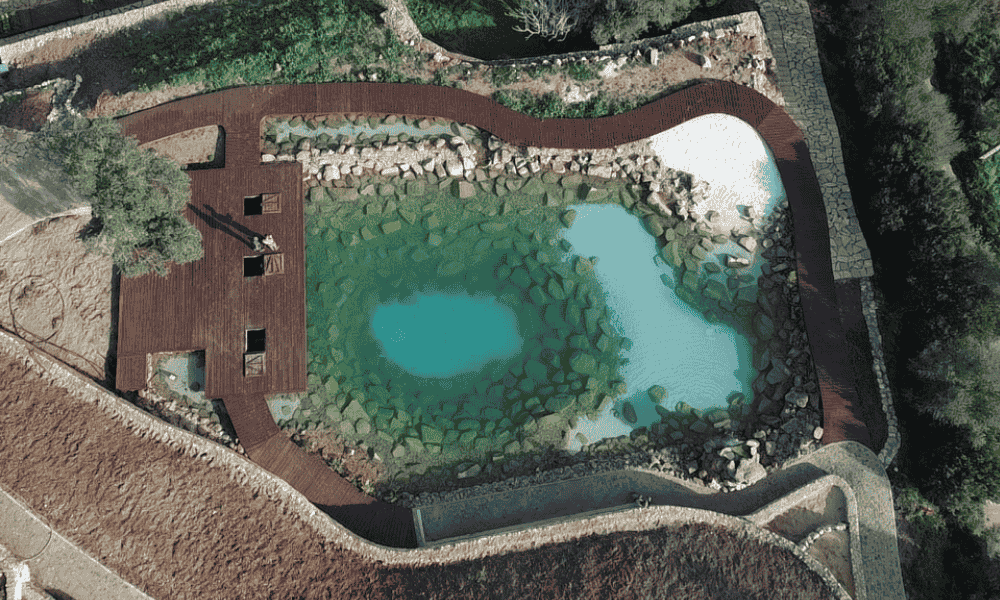
In natural swimming pools, temperature matters even more. Without chemicals masking discomfort, swimmers feel every degree, and the balance between water, plants, and biology depends on getting it right. The best swimming pool temperature isn’t just about comfort here; it directly affects water clarity, biological filtration, and how well the ecosystem performs over time.
At Oásis Biosistema, we design and build natural pools that work with nature, not against it. From temperature planning to regeneration zones and long-term system stability, our approach ensures your pool stays comfortable, efficient, and beautifully balanced throughout the seasons. If you’re considering a natural swimming pool or want to optimize an existing one, talk to us. We’ll help you create water that feels as good as it looks.
FAQ
Is 28 degrees warm for a swimming pool?
Yes, 28°C (82°F) is considered warm and comfortable for most swimmers. It’s ideal for leisure swimming, families, and children, as it prevents the water from feeling cold when entering. Many hotels and heated pools aim for this temperature to balance comfort and energy efficiency.
Does an 80 degree pool feel cold?
An 80°F (about 27°C) pool can feel slightly cool at first, especially when entering, but it’s comfortable once you start swimming. Active swimmers often prefer this temperature because it prevents overheating, while people lounging or standing still may find it a bit chilly.
Is 27 degrees hot enough to swim?
Yes, 27°C (81°F) is warm enough for swimming and is commonly used in public and hotel pools. It suits lap swimming and casual use, though young children or people sensitive to cold may prefer slightly warmer water around 28–29°C for longer, relaxed sessions.
What is the ideal temperature for a swimming pool?
The ideal swimming pool temperature is 26–28°C (79–82°F). Lower temperatures are better for exercise and lap swimming, while higher temperatures suit leisure swimming and children. The best setting depends on pool use, age of swimmers, and whether the pool is indoors or outdoors.