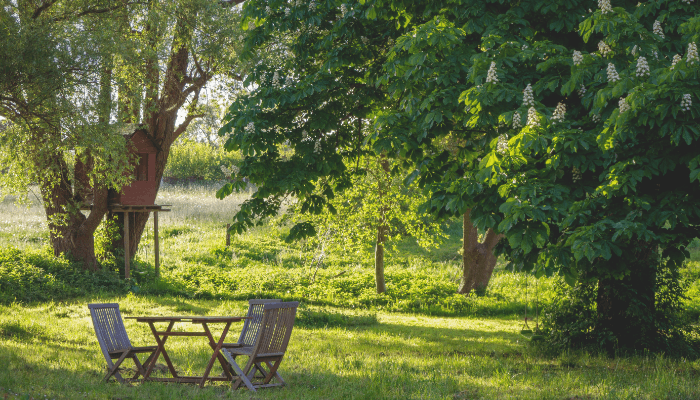

Your outdoor space is perfect. Great furniture. Beautiful landscaping. Ambient lighting that sets the mood exactly right.
Then October arrives, temperatures drop, and suddenly that investment sits unused for six months because it’s too cold to actually enjoy it.
Here’s what most people don’t realize: with the right patio heater, you can extend your outdoor season by 3 to 6 months. That’s hundreds of additional hours using space you’ve already paid to create. The math is simple: a quality patio heater costs €150 to €800. Unused outdoor furniture and landscaping? Thousands sitting idle.
Market research shows that outdoor heating solutions such as patio heaters and infrared heaters, have become increasingly common across Europe as homeowners and businesses invest in year-round outdoor living spaces. Europe’s patio heaters market reflects millions of installations and growing demand driven by outdoor dining culture and extended use of terraces and patios.
But here’s the problem: the patio heater market is a minefield of overpriced gas towers that blow through propane tanks in hours, cheap electric models that barely warm your ankles, and “infrared” units that sound high-tech but perform no better than a hair dryer pointed at your face.
Choosing wrong means wasted money on a heater that sits in your garage because it doesn’t actually make your patio comfortable. Choosing right means autumn dinners outside, winter morning coffees on the terrace, and genuinely using your outdoor investment instead of just looking at it through the window.
This guide breaks down every type of patio heater available in 2026, which ones actually deliver warmth versus marketing promises, what works for different spaces and climates, and how to match heating solutions to your specific outdoor area without overspending or underheating.
No brand partnerships. No affiliate bias. Just practical advice on making your outdoor space usable when temperatures drop.
Let’s find the heater that’ll actually keep you warm.
Key Takeaways
- Gas patio heaters provide most heat but require fuel management
- Electric heaters offer convenience but need nearby power sources
- Infrared technology heats people, not air, making it most efficient
- Standalone towers work for open areas, wall-mounted for covered spaces
- Heating coverage area matters more than maximum temperature claims
- Portugal’s mild winters suit electric and infrared models well
- Running costs vary dramatically between gas and electric options
- Safety features and stability prevent tipping and fire hazards
Design Outdoor Spaces Worth Using Year-Round
We create integrated outdoor living areas with natural landscaping, shelter design, and strategic heating placement that make your terrace comfortable in every season.
Types of Patio Heaters
Understanding the fundamental categories helps narrow choices before you look at specific models.
Gas Patio Heaters (Propane/Butane)
These are the classic tall tower heaters you see outside restaurants and cafés.
How they work:
Burn propane or butane gas to generate heat radiated downward and outward from a reflector dome. Most use standard gas bottles that slot into the base.
Pros:
- Highest heat output (8–15 kW typical)
- Work anywhere without electricity
- Heat large areas effectively
- Instant warmth when ignited
- Portable and movable
Cons:
- Require gas bottle purchases and replacements
- Running costs add up quickly
- Inefficient in windy conditions
- Safety concerns (open flame, tip-over risk)
- Cannot use in fully enclosed spaces
Best for: Large open patios, commercial terraces, areas without electrical access, infrequent use where convenience matters more than running costs.
Electric Patio Heaters
Powered by standard electrical outlets, these come in various forms from towers to wall-mounted panels.
How they work:
Electric heating elements warm up and radiate heat outward. Some use fan assistance to circulate warm air, others rely purely on radiant heat.
Pros:
- No fuel to buy or replace
- Lower running costs than gas
- Safer (no open flame)
- Can be used in semi-enclosed spaces
- Instant on/off control
- Quieter operation
Cons:
- Require nearby electrical outlet
- Generally lower heat output than gas
- Not portable beyond extension cord reach
- Initial electrical installation may be needed
- Less effective in very cold or windy conditions
Best for: Covered terraces, balconies with power access, residential use where convenience and running costs matter, Portugal’s relatively mild climate.
Infrared Patio Heaters
A subset of electric (or gas) heaters using infrared technology to heat objects and people directly rather than warming air.
How they work:
Infrared wavelengths penetrate air without heating it, warming solid objects (people, furniture, floors) they contact. Similar to how the sun warms you even on cold days.
Pros:
- Most efficient heating method
- Wind doesn’t affect performance
- Instant warmth (no warm-up period)
- Focused directional heating
- Lower energy consumption for same comfort
- No air circulation (doesn’t stir dust)
Cons:
- Higher upfront cost
- Limited heating radius
- Must be aimed at people to be effective
- Shadows create cold spots
- Less “ambient” warmth
Best for: Targeted heating in specific seating areas, windy locations, covered outdoor dining, energy-conscious users, spaces where air movement is problematic.
Fire Pits and Chimineys
Traditional heating using wood or gas fire features.
How they work:
Open or semi-enclosed fire provides radiant heat and ambiance. Modern versions often use gas for convenience.
Pros:
- Excellent ambiance and aesthetics
- Gathering focal point
- Can cook food over them
- No electricity needed
- Very effective at close range
Cons:
- Limited practical heat distribution
- Smoke from wood-burning models
- Safety concerns with children and pets
- Wood requires storage and management
- Not suitable for all patio layouts
Best for: Large gardens, social gatherings, users prioritizing ambiance over pure heating efficiency, properties with space for safe placement.
Best Gas Patio Heaters
For maximum heat output and portability in open areas.
Premium Gas Heaters (€400–€800)
Bromic Tungsten Gas (€600–€750)
High-performance stainless steel construction. Adjustable heat settings (8–13 kW). Built-in wind guard. Wheels for easy movement. Premium materials resist corrosion. Safety auto-shutoff if tipped.
Fire Sense Commercial (€450–€600)
Restaurant-grade reliability. 13 kW output heats 4–5 meter radius effectively. Heavy-duty base provides excellent stability. Accessible ignition and controls. Widely available replacement parts.
Lifestyle Appliances Tahiti (€500–€650)
Sleek modern design in various finishes. 12 kW output with adjustable flame. Quality construction with 2-year warranty. Integrated table shelf useful for drinks and plates.
Mid-Range Gas Heaters (€200–€400)
Enders Polo 2.0 (€250–€350)
German engineering, reliable performance. 8 kW output suitable for medium patios. Compact footprint. Easy gas bottle exchange. Good value for quality construction.
La Hacienda Series (€200–€300)
Decent heat output (9 kW) at budget-friendly price. Stainless steel burner. Basic but functional design. Widely available in Europe.
Generic Tower Heaters (€150–€250)
Various brands offering similar specifications. 8–10 kW output. Basic safety features. Quality varies significantly, check reviews carefully before purchase.
What Makes a Good Gas Patio Heater
- Stable base that won’t tip easily (minimum 15kg weight)
- Safety auto-shutoff if heater tips over
- Wind protection around burner reduces fuel waste
- Accessible controls for ignition and heat adjustment
- Quality materials that resist outdoor weather and corrosion
- Standard gas fittings for easy bottle replacement
- Wheels for portability without lifting
Gas Heater Running Costs
A typical 13 kW gas patio heater burns approximately 1 kg of propane per hour at full power.
Propane costs in Portugal (2026):
€30–€45 per 11 kg bottle (varies by supplier and season)
Practical running costs:
- Full evening (4 hours): €12–€16
- Weekly use (2 evenings): €25–€35/week
- Monthly (8 evenings): €100–€140/month
These costs make gas heaters expensive for regular use but acceptable for occasional entertaining.
Best Electric Patio Heaters
For convenience, lower running costs, and residential terraces.
Premium Electric Heaters (€300–€600)
Heatstrip Max Electric 3200W (€450–€550)
Wall or ceiling-mounted infrared. 3200W output heats 3 to 4 meter radius. IP55 weatherproof rating. Remote control included. Minimal visible glow. Professional installation recommended.
Infratech W-Series (€400–€500)
Flush-mount infrared designed for pergolas and covered areas. Efficient directional heating. Multiple power options (1500W–3000W). Premium build quality. Excellent for permanent installations.
Bromic Tungsten Electric Smart (€500–€650)
WiFi-enabled smart control via app. Adjustable heat zones. Sleek modern design. 2300W output. Dimmable for ambiance control. Premium pricing for premium features.
Mid-Range Electric Heaters (€150–€300)
Veito Blade S (€200–€280)
Ultra-slim wall-mounted infrared. 2500W output. IP65 weatherproof. Remote control. Low-glow carbon fiber element. Easy installation. Excellent value for quality.
Firefly 2.1kW Freestanding (€180–€250)
Adjustable height telescopic stand. Infrared carbon heating. Three power settings (700W/1400W/2100W). Portable with stable base. Good for flexible positioning.
Arlec Electric Outdoor (€150–€220)
Basic but functional freestanding electric. 2000W output. Adjustable angle. IP44 splash-proof. Budget-friendly option for covered areas only.
Budget Electric Heaters (Under €150)
Generic Halogen Heaters (€80–€120)
Basic halogen tube heaters. 1500–2000W. Minimal features. Work adequately for very small covered areas. Short lifespan expected.
Standing Fan Heaters (€60–€100)
Adapted indoor fan heaters marketed for outdoor use. Poor performance in actual outdoor conditions. Only consider for fully enclosed covered terraces.
Reality check: Electric heaters under €150 rarely perform well in true outdoor conditions. Worth spending more for actual effectiveness.
Electric Heater Running Costs
Electric heaters cost significantly less to run than gas in Portugal.
Electricity costs (Portugal 2026 average):
€0.25–€0.35 per kWh (varies by supplier and consumption tier)
2000W electric heater running costs:
- Per hour: €0.50–€0.70
- Full evening (4 hours): €2.00–€2.80
- Weekly use (2 evenings): €4–€6/week
- Monthly (8 evenings): €16–€22/month
Running cost comparison:
Electric heaters cost roughly 75–85% less than equivalent gas heaters over time.
Best Infrared Patio Heaters
The most efficient heating technology for targeted warmth.
Why Infrared Works Better
Traditional heaters warm air, which rises and disperses. Infrared heats solid objects directly, meaning:
- Wind doesn’t affect performance – Air movement doesn’t carry heat away
- Instant warmth – No waiting for air to heat up
- Energy efficient – Heat goes where needed, not into the atmosphere
- Directional control – Aim heat precisely at seating areas
Top Infrared Models
Heatstrip Elegance 3200W (€500–€600)
Premium wall-mounted infrared specifically designed for outdoor entertaining. Ultra-low glow element (barely visible red glow). IP55 weatherproof. Heats 12–15 square meter area effectively. Remote control with dimming. Professional appearance.
Veito Blade Mini 1300W (€180–€240)
Compact infrared ideal for small balconies. Wall-mounted. IP65 fully weatherproof. Remote control. Low energy consumption. Perfect for 4–6 square meter spaces.
Infratech SL-Series (€400–€500)
Recessed or semi-recessed installation for clean integrated look. Multiple wattages available. Commercial-grade reliability. Excellent for permanent pergola installations.
Burda Term2000 IP67 (€350–€450)
German-made ultra-durable infrared. Fully submersible IP67 rating (overkill for patios but ensures longevity). Adjustable mounting angles. Three power levels. Built to last decades.
Infrared Placement Tips
- Mount 2–2.5 meters above seating for optimal comfort
- Angle downward at 30–45 degrees toward people
- Multiple smaller units better than one large for even coverage
- Position away from reflective surfaces that waste heat
- Consider shadowed areas, they won’t receive heat
Choosing the Right Heater for Your Space
Match heater type to your specific outdoor area characteristics.
Small Balconies (Under 10m²)
Best choice: Wall-mounted electric infrared (1300–2000W)
Why: Space-efficient, targeted heating, low running costs
Avoid: Freestanding gas towers (too large, tipping hazard)
Recommended: Veito Blade Mini, Firefly wall-mounted models
Medium Covered Terraces (10–25m²)
Best choice: 2–3 electric infrared heaters or single quality gas heater
Why: Covered space retains heat better, electric more economical
Consider: Ceiling-mounted for maximum space efficiency
Recommended: Heatstrip Elegance, Veito Blade S, or Fire Sense gas if prefer portability
Large Open Patios (25–50m²)
Best choice: Multiple gas heaters or high-output electric infrared
Why: Need significant heat output to combat open air heat loss
Consider: Combination of fixed infrared over seating plus portable gas for flexibility
Recommended: Bromic Tungsten Gas for portability, Infratech W-Series for permanent zones
Restaurant/Commercial Terraces
Best choice: Commercial-grade gas heaters or integrated infrared systems
Why: Need reliable performance, high output, professional appearance
Consider: Maintenance contracts and fuel delivery services
Recommended: Fire Sense Commercial gas, Infratech commercial infrared series
Windy Locations
Best choice: Infrared heaters exclusively
Why: Wind makes gas and convection electric heaters inefficient
Avoid: Traditional gas towers (waste fuel in wind)
Recommended: Any quality infrared model, wind won’t affect performance
Budget-Conscious (Under €300 Total)
Best choice: Single mid-range electric infrared or basic gas heater
Why: Best value for money while still being effective
Avoid: Multiple cheap units (better to heat one area well)
Recommended: Firefly 2.1kW electric or Enders Polo gas
Safety Considerations
Patio heaters involve heat, electricity, or open flames. Safety isn’t optional.
Gas Heater Safety
- Place on level, stable surface minimum 1 meter from walls and furniture
- Never use in fully enclosed spaces (carbon monoxide risk)
- Check hose connections for leaks before each use
- Keep away from children and pets
- Secure during windy conditions or store indoors
- Turn off and disconnect gas when not in use
- Ensure tip-over auto-shutoff functions properly
Electric Heater Safety
- Use outdoor-rated extension cords if needed (minimum 1.5mm² cable)
- Ensure IP rating suitable for exposure level (IP44 minimum, IP65 for exposed areas)
- Install wall-mounted units securely to manufacturer specifications
- Keep away from water sources and swimming pools
- Don’t cover or drape anything over heaters
- Unplug during storms or when not in use for extended periods
General Safety
- Maintain manufacturer-specified clearances from combustibles
- Supervise children and pets around all heaters
- Don’t leave heaters unattended when operating
- Check weather forecasts, store heaters before severe weather
- Annual inspection for damage or wear
- Follow local regulations regarding outdoor heating
Installation and Setup
Proper installation affects performance and safety.
Freestanding Heaters
- Assemble according to instructions (usually simple)
- Place on level surface away from traffic flow
- For gas: connect bottle, check for leaks, test ignition
- For electric: ensure suitable power source within reach
- Test stability before first use
Wall-Mounted Heaters
- Locate studs or use appropriate anchors for wall type
- Mount at recommended height (usually 2 to 2.5 meters)
- Ensure electrical wiring meets code (hire electrician if unsure)
- Angle correctly for optimal heat distribution
- Test before permanent installation
Ceiling-Mounted Heaters
- Professional installation recommended for safety
- Ensure mounting surface supports weight
- Electrical connection must be weatherproof
- Consider maintenance access for bulb replacement
- Verify clearances to combustible materials
Permanent vs Portable
Portable advantages
- Move to needed areas
- Store when not in use
- No installation required
- Take when you move house
Permanent advantages
- More powerful options available
- Cleaner integrated aesthetics
- Better long-term value
- No setup/storage hassle
Choose based on how you use your outdoor space and long-term plans.
Running Cost Comparison (Portugal 2026)
Real-world costs for typical use patterns in Portuguese climate.
Scenario: Weekend Evening Use (October–March)
Assumptions: 2 evenings per week, 4 hours each, 24 weeks (winter season)
13 kW Gas Heater:
- Propane consumption: ~1 kg/hour
- Per session: 4 hours × €3.50/kg = €14
- Per week: €28
- Season total: €672
2000W Electric Heater:
- Electricity consumption: 2 kWh
- Per session: 8 kWh × €0.30 = €2.40
- Per week: €4.80
- Season total: €115
Savings using electric: €557 per season
Scenario: Daily Light Use (1–2 Hours)
Gas heater season total: €840–€1,260
Electric heater season total: €144–€216
Savings using electric: €696–€1,044 per season
Gas makes sense for occasional use or large commercial spaces. Electric wins for regular residential use in Portugal’s mild winters.
Portugal-Specific Considerations
Portugal’s climate and infrastructure affect heater choices.
Climate Factors
- Mild winters mean less extreme heating needs than northern Europe
- Coastal winds reduce gas heater efficiency
- Extended shoulder seasons (spring/autumn) perfect for moderate electric heating
- Minimal freezing means weatherproofing less critical than UK/Germany
Electrical Infrastructure
- Standard 230V power widely available on terraces
- Outdoor outlets increasingly common in newer construction
- Electrician installation costs reasonable (€100–€300 typical)
Gas Availability
- Propane bottles available at petrol stations, hardware stores
- Delivery services in larger cities
- Prices vary seasonally (higher in winter)
- Bottle exchange systems convenient
Local Preferences
- Lisbon/Porto: Electric infrared increasingly popular
- Algarve: Mix of gas (restaurants) and electric (residential)
- Rural areas: Gas preferred due to occasional use patterns
- Apartments: Electric only option (gas often prohibited)
Where to Buy in Portugal
Leroy Merlin, Aki, Bricomarché: Stock seasonal selection, mainly entry-level
Specialist outdoor retailers: Better selection, expert advice
Online (Amazon Spain, local sites): Widest range, competitive pricing
Direct importers: Premium brands, professional installation services
Maintenance and Care
Proper maintenance extends heater life and maintains safety.
Gas Heater Maintenance
- After each use: Check for gas smell, wipe down exterior
- Monthly: Clean reflector dome, check burner for blockages
- Seasonally: Inspect hoses for cracks, test all safety features
- Annually: Professional service check recommended
- Off-season storage: Clean thoroughly, store dry and covered
Electric Heater Maintenance
- Weekly: Dust heating elements gently
- Monthly: Check cord and plug for damage
- Seasonally: Clean thoroughly, check mounting security
- Annually: Test all electrical components
- Off-season: Store indoors or use weatherproof cover
Common Problems
Gas heater won’t ignite:
Check gas flow, replace battery in igniter, clean burner orifices
Electric heater weak heat:
Check power supply, clean heating elements, verify correct wattage setting
Uneven heating:
Adjust positioning, check for blockages, consider adding second unit
Rust/corrosion:
Clean regularly, apply protective coating, consider upgrade to stainless steel
Conclusion
The best patio heater for most Portuguese homeowners is a quality electric infrared model in the €200–€400 range. Models like the Veito Blade S or Heatstrip Elegance offer excellent performance, low running costs, and convenience that matches Portugal’s mild climate perfectly.
For large open patios or commercial spaces, gas heaters like the Fire Sense Commercial or Bromic Tungsten Gas deliver the heat output needed, though at significantly higher running costs.
Small balconies do well with compact wall-mounted electric options. Large terraces benefit from multiple infrared heaters creating warm zones rather than trying to heat the entire space uniformly.
Don’t waste money on cheap units under €150, they rarely perform adequately in actual outdoor conditions. The €200–€400 mid-range offers the best value, proven performance, and reasonable longevity.
Calculate running costs based on your expected usage. If you’ll use your heater regularly throughout autumn and winter, electric models pay for themselves quickly through lower operating costs. If you heat occasionally for special events, gas portability and raw power make more sense despite higher fuel costs.
At Oásis Biosistema, we design outdoor living spaces that integrate heating, lighting, and landscaping into cohesive year-round environments. Strategic placement of permanent heating elements, combined with shelter design and natural windbreaks, creates comfortable outdoor areas that extend your living space well beyond summer.
Because the best outdoor heating solution isn’t just about the equipment. It’s about designing spaces that naturally retain warmth, block wind, and create comfortable microclimates that need less artificial heating to feel inviting.