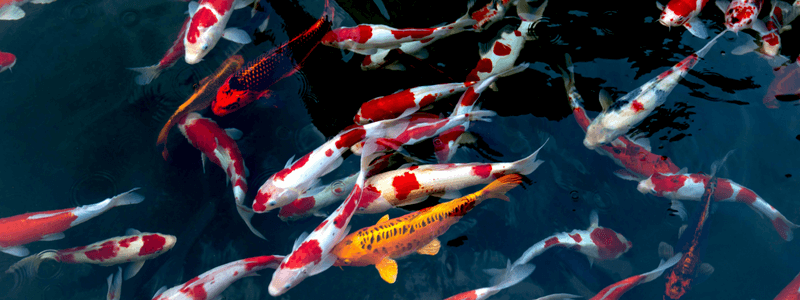
Koi are among the longest-living fish you can keep in an ornamental pond. While many aquarium fish measure their lives in months or a handful of years, healthy koi regularly reach 25 to 35 years of age, and under exceptional conditions, they can even live far longer. The oldest koi on record, a fish named Hanako, was allegedly 226 years old when she died in 1977, having been passed down through several generations of the same Japanese family.
For anyone planning a koi pond in Portugal, understanding koi life expectancy isn’t just a matter of curiosity, but a long-term commitment. These fish will be with you for decades, growing steadily, developing more vibrant patterns, and becoming genuine members of your household. Knowing what factors influence their lifespan helps you create the conditions where koi can thrive for as long as nature allows.
This guide covers everything that affects koi longevity, from genetics and water quality to diet, pond design, and the specific considerations that matter in Portugal’s climate.
Key Takeaways
- Average koi lifespan is 25-35 years with proper care, though many live 40+ years and some reach 50 or beyond.
- Japanese koi live longer than domestic koi due to superior genetics from centuries of selective breeding focused on health and longevity.
- Water quality is the single most critical factor. Clean, well-oxygenated water with stable pH (7.0–8.6) prevents the stress and disease that shorten lifespans dramatically.
- Pond size matters: Overcrowded ponds cause stress, competition, and poor water quality. Minimum 1,500 liters per koi is recommended.
- Diet quality affects longevity: High-protein food (30-40% protein) in warm months, reduced feeding in winter, and avoiding cheap filler ingredients all contribute to long-term health.
- In Portugal’s mild climate, koi thrive year-round with proper pond depth (1.2m minimum) and don’t require indoor wintering, but predators (herons, cats) and summer heat require management.
- Natural ponds provide ideal koi environments where biological filtration maintains water quality continuously, reducing the mechanical maintenance that conventional systems demand.
How Long Do Koi Fish Live?
The answer depends on several variables, but here are the general ranges:
Average lifespan: 25–35 years in well-maintained ponds with consistent care.
Japanese koi (from reputable Japanese breeders): 40–50+ years on average. Some varieties like Chagoi and the parent strains Asagi and Yamabuki Ogon are known to regularly exceed 50 years.
Domestic koi (bred outside Japan, particularly in the US and Europe): 15–25 years on average. The shorter lifespan reflects less rigorous breeding practices focused more on color and size than health and longevity.
Wild koi (feral or released fish in rivers and lakes): Approximately 12 years. The lack of controlled feeding, exposure to predators, and unstable water conditions significantly reduce lifespan.
Aquarium koi: 10–15 years at most. Koi kept in indoor aquariums almost never reach their full potential lifespan due to limited space, restricted growth, and suboptimal water quality.
The record holder, Hanako, was verified to be 226 years old when she died. Her age was determined by examining her scales and otoliths (inner ear bones), both of which show growth rings similar to tree rings. While this is extraordinarily rare and almost certainly requires exceptional genetics and ideal conditions throughout her life, it demonstrates the upper limits of koi longevity.
Factors That Affect Koi Life Expectancy
1. Genetics
Genetics are the foundation. Koi from bloodlines selected over generations for health, resilience, and longevity will naturally live longer than fish bred quickly for color or size without regard to long-term vitality.
Japanese koi dominate in this category. Japanese breeders have refined koi genetics for over 200 years, prioritizing not just appearance but robust health, resistance to disease, and longevity. Fish from respected Japanese breeders like Sakai, Dainichi, or Momotaro often carry bloodlines proven to produce long-lived, healthy koi.
Domestic koi that are bred in the US, Europe, or elsewhere, can still live long lives, but the breeding focus is often on rapid color development and quick growth for early sale. This sometimes comes at the expense of health and longevity. Not all domestic koi are inferior, but on average, Japanese-bred koi outlive them.
How to choose: If long-term health and lifespan matter to you, invest in koi from reputable breeders with documented bloodlines. Cheaper, mass-produced koi may look beautiful initially but are more prone to early health problems.
2. Water Quality
Water quality is the single most important environmental factor in koi longevity. Poor water stresses koi, weakens their immune systems, and creates conditions where disease thrives. Clean, stable water is non-negotiable for long-lived koi.
Key parameters:
- pH: 7.0–8.6 (neutral to slightly alkaline). Koi tolerate a range, but stability matters more than hitting a perfect number. Fluctuating pH causes stress.
- Ammonia: 0 ppm (toxic even in small amounts).
- Nitrites: 0 ppm (toxic).
- Nitrates: Below 40 ppm (lower is better as nitrates aren’t immediately toxic but high levels indicate poor filtration).
- Oxygen: Well-oxygenated water is critical. Stagnant ponds with low dissolved oxygen cause suffocation, particularly in summer heat or winter ice cover.
Portugal-specific note: Many Portuguese regions (Lisbon, Setúbal, inland areas) have moderately hard tap water with high calcium content. This is generally fine for koi as they tolerate alkalinity well, but monitor for calcium scale buildup on pond surfaces and equipment. In summer, high temperatures reduce dissolved oxygen significantly. Aeration (waterfalls, fountains, air pumps) is essential during June–September.
3. Pond Size and Depth
Koi need space. Overcrowded ponds cause stress, competition for food, degraded water quality, and stunted growth – all of which shorten lifespans.
Minimum recommendations:
- 1,500 liters (400 gallons) per adult koi as an absolute minimum. More space is always better.
- Total pond volume: At least 5,000–10,000 liters (1,300–2,600 gallons) for a small koi pond. Larger ponds buffer temperature and chemistry changes better and allow koi to grow to their full potential.
- Depth: Minimum 1.2 meters (4 feet). Deeper ponds maintain stable temperatures year-round, provide refuge from predators, and prevent freezing in rare cold snaps.
Portugal context: Portugal’s mild winters mean ponds rarely freeze, but depth still matters for temperature stability. In Alentejo’s summer heat, shallow ponds can reach 30°C or higher, which stresses koi. Deeper ponds stay cooler naturally.
4. Diet and Nutrition
Koi are omnivorous and opportunistic feeders. In the wild, they eat insects, algae, plant matter, crustaceans, and anything else they can find. In captivity, a balanced, high-quality diet supports long-term health and longevity.
Protein: 30 to 40% protein in warm months (spring and summer) supports growth and immune function. In cooler months (autumn and winter), reduce protein to 20 to 25% when koi metabolism slows and they can’t digest rich food efficiently.
Avoid cheap fillers: Budget koi food is often padded with grain fillers that provide little nutrition. High-quality food uses fish meal, spirulina, and other nutrient-dense ingredients.
Variety: Supplement pellets with vegetables (lettuce, peas, watermelon), live or frozen insects, and shrimp. Koi fed a varied diet are healthier and more disease-resistant.
Seasonal feeding: In Portugal, active feeding runs roughly March–November. As water temperatures drop below 10°C (rare but possible in northern regions), reduce feeding significantly or stop altogether. Koi enter a semi-dormant state and undigested food can cause health problems.
5. Filtration and Water Circulation
Without proper filtration, even the best-maintained pond will accumulate ammonia, nitrites, and organic waste that poison koi over time.
Biological filtration is essential. Beneficial bacteria convert toxic ammonia to nitrites, then to less harmful nitrates. Mechanical filtration removes solid waste. UV sterilizers control algae and pathogens.
Water circulation prevents stagnation and ensures oxygen distribution. Waterfalls, streams, or fountains provide both aeration and circulation. In Portugal’s hot summers, water circulation is particularly critical, when stagnant warm water holds less oxygen and promotes algae blooms.
Natural ponds from Oásis Biosistema integrate biological filtration through planted regeneration zones. Aquatic plants and microbial communities process waste continuously, maintaining water quality without the mechanical maintenance conventional filtration systems require. For koi owners tired of weekly filter cleaning and water testing, natural ponds offer a genuinely simpler long-term approach.
6. Stress and Predators
Chronic stress shortens koi lifespans significantly. Stress weakens immune systems, making koi susceptible to disease, and can cause behavioral changes that affect feeding and growth.
Common stressors:
- Overcrowding (too many fish, too little space).
- Poor water quality (ammonia, nitrites, pH swings).
- Predators. Even the presence of predators causes stress. Herons are the main threat in Portugal, but cats, otters, and occasionally foxes also target koi.
- Inadequate hiding places. Koi need refuge (overhanging plants, submerged structures, deep zones) where they can retreat when threatened.
- Sudden environmental changes (rapid temperature swings, loud construction noise, new pond mates added without quarantine).
Predator protection in Portugal: Herons are common across Portugal and are relentless koi hunters. Netting, motion-activated sprinklers, or decoy herons can deter them. Pond depth (1.2m+) and overhanging plants provide escape routes.
7. Disease Prevention
Koi are prone to several diseases that, if not managed, can kill fish or shorten lifespans:
Koi Herpes Virus (KHV): Highly contagious, often fatal. Thrives in water temperatures 20–28°C (common in Portuguese summers). No cure, only prevention through quarantine and avoiding infected stock.
Parasites (Ich, flukes, anchor worms): Cause irritation, secondary infections, and stress. Treatable with appropriate medications if caught early.
Bacterial infections (Aeromonas, Pseudomonas): Often secondary to injuries or stress. Cause ulcers, fin rot, and systemic illness.
Prevention strategies:
- Quarantine new fish for 2 to 4 weeks before introducing them to your pond. Many diseases are brought in by new additions.
- Maintain excellent water quality. Most diseases take hold when koi are already stressed by poor conditions.
- Observe daily. Early detection of behavioral changes, loss of appetite, or visible symptoms allows treatment before disease spreads.
Life Stages of Koi
Understanding how koi age helps you provide appropriate care at each stage.
Juvenile (0 to 2 years): Rapid growth, high protein needs, establishing hierarchy in the pond. Vulnerable to predators due to small size.
Young adult (3 to 10 years): Growth continues but slows. Patterns and colors develop fully. The immune system strengthens. This is when differences between Japanese and domestic koi become apparent. Japanese koi continue thriving, while some domestic koi start showing health issues.
Mature adult (10 to 20 years): Full size reached (typically 50 to 90 cm depending on variety and pond conditions). Patterns are fully mature. With proper care, this stage lasts for decades.
Senior (20+ years): Growth stops entirely. Swimming may slow, colors can fade slightly, appetite may reduce. Senior koi need careful observation for health issues, but many continue thriving for another 10 to 20 years.
Maximizing Koi Lifespan in Portuguese Ponds
Portugal’s climate offers excellent conditions for koi keeping: mild winters, long growing seasons, abundant sunlight, but also presents specific challenges.
Advantages:
- No need for pond heaters or indoor wintering in most regions.
- Long active feeding season (March–November).
- Natural sunlight supports color development.
Challenges:
- Summer heat: June–September temperatures regularly exceed 30°C. Shallow ponds can become too warm. Solution: Adequate depth (1.2m+), shade (pergolas, planted marginals), and strong aeration.
- Predators: Herons are common throughout Portugal. Solution: Netting, depth, hiding places.
- Hard water: Calcium buildup in some regions. Solution: Monitor calcium hardness, use descaling treatments as needed.
- Algae blooms: Abundant sunlight + warm water + nutrients = algae. Solution: Biological filtration, UV sterilizers, plant competition (in natural ponds).
Natural Ponds: Ideal Environments for Long-Lived Koi
Natural ponds that are designed with planted regeneration zones and biological filtration, provide conditions where koi genuinely thrive for decades.
The continuous biological processing of waste maintains stable water quality without the mechanical interventions conventional systems require. Aquatic plants absorb nutrients that would otherwise feed algae, provide shade and oxygen, and create the ecosystem complexity that koi instinctively seek.
In Portugal’s climate, natural ponds have particular advantages: the warm temperatures that stress conventional filtered ponds (by increasing algae and reducing oxygen) actually strengthen biological filtration in natural ponds, as plant growth and microbial activity accelerate.
Koi in well-designed natural ponds often outlive those in conventional systems because the conditions are closer to what their ancestors experienced in Japanese earth dams – stable, biologically rich, and naturally balanced.
Oásis Biosistema designs and builds natural ponds and ornamental koi ponds across Portugal. If you’re planning a pond for koi, or considering how to create an environment where they can live for 30, 40, or 50+ years, our team can show you what’s possible.
Conclusion
Koi fish life expectancy ranges from 25 to 35 years on average, with Japanese koi often reaching 40–50+ years and exceptional individuals living even longer. Genetics set the baseline, but water quality, diet, pond size, stress management, and disease prevention determine whether your koi reach their full potential.
Keeping koi is a long-term commitment. These fish will be with you for decades, growing steadily, developing more vibrant patterns, and becoming genuine companions. Done properly, koi keeping rewards you with living art that matures and improves over time, rather than fading.
Invest in quality fish from reputable breeders, provide ample space and clean water, feed appropriately for the season, and protect against stress and disease. Do those things, and your koi will be swimming in your pond long after the children who fed them as youngsters have children of their own.
FAQ
How long do koi fish live as pets?
Koi fish can live 20 to 40 years on average, and with excellent care, some live over 50 years. In ideal conditions, koi have even reached 100+ years. Lifespan depends on water quality, diet, pond size, and overall maintenance.
How old is a 2 inch koi?
A 2-inch koi is usually a young fry around 2–3 months old, depending on growth conditions. Growth rate varies based on water temperature, feeding, genetics, and pond environment, but small koi are typically in their early development stage.
Do koi recognize their owners?
Yes, koi can recognize their owners, especially the person who feeds them regularly. They learn to associate humans with food and may swim toward familiar people. Over time, koi can become tame and even eat from your hand.
Why put salt in a koi pond?
Salt is added to koi ponds to reduce stress, improve gill function, and help treat parasites or minor infections. It can support fish health during illness or water changes, but should be used carefully, as too much salt can harm plants and fish.